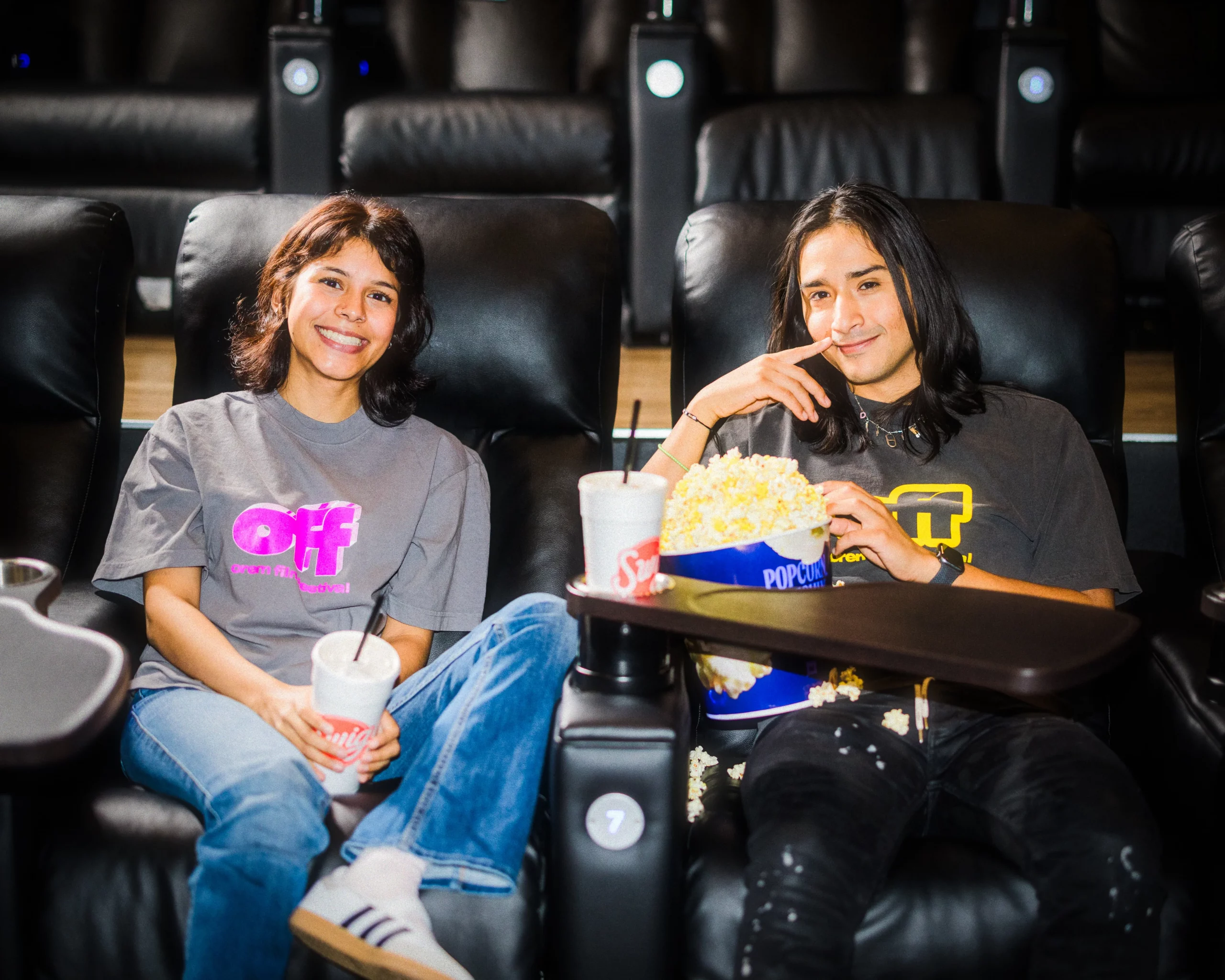
Inaugural Orem Film Festival Debuts Ten Local Shorts
Arts
Orem Film Festival
Premiere: 09.24.2025
New on the scene, the Orem Film Festival proudly joins other Utah-based film festivals in carrying the indie cinema torch forward following the departure of Slamdance and the imminent departure of Sundance. Ten films were screened at the Geneva Megaplex last week, making up an impressive range of narrative and documentary shorts from both local and out-of-state artists. It was a great start to what I hope will be a festival we can look forward to in the coming years. Here’s where this year’s selections stand…
Crane
Director: Aiden Keltner
Tackling subjects like childhood trauma and mental illness in a short film format always comes with a question of whether the film in question won’t struggle to say all it wants to say about these heavier topics. What makes Aiden Keltner‘s Crane so special compared to similarly-burdened films has everything to do with its focus. The young girl at the center of the story is almost always at the center of the frame, enveloped in a depth of focus that leaves the world around her blurry. For example, we watch as she plays with her toys while her mother and aunt cry together outside the car window. It’s a striking choice that forces us to consider a child’s perception of what goes on around them. Crane is a short film built on a simple but highly effective creative choice that shows off Keltner’s ability to tie his visual approach directly into his themes.
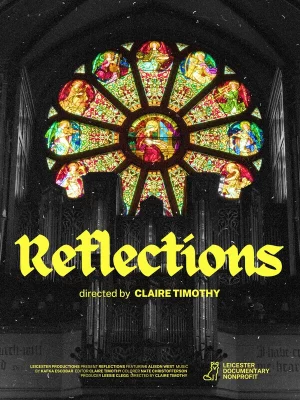
Reflections
Director: Claire Timothy
Director Claire Timothy‘s skillful eye for shot composition strikes you right off the bat, as she reframes the windows and decor of the Cathedral of the Madeleine with a confident ingenuity. Reflections shines a spotlight on Allison West of Western Arts Glass, a stained glass artist whose work ranges from custom designs to maintaining church windows. West comes across as extremely likable, and in keeping with a running theme of 16mm film throughout the festival’s lineup, Timothy utilizes a combination of film stock and digital that keeps things interesting from shot to shot. Though West is not religious herself, she’s a highly spiritual individual and Timothy’s film feels appropriately reverent for the artist and the art form as a whole.
DOUBLE OR NOTHING
Director: Tokay
DOUBLE OR NOTHING‘s premise doesn’t sound like what we’d normally consider for a stop motion film. In the early 1990s, a hitman is sent to Tokyo to retrieve some stolen money for his boss, only to find himself sucked into an underworld of gambling, crime and the Yakuza. We here in the West have a real bad case of thinking animation is a genre for younger audiences rather than a medium for all stories. Tokay and his animation team continue the tradition of proving how wrong we are with a short film that’s anything but traditional. It’s a truly wild and unforgettable ride I hope to revisit many times in the future. If it wasn’t clear from the sheer amount of action, energy and life Tokay instilled into DOUBLE OR NOTHING, the film’s credits end with a message in all caps: “STOP MOTION ISN’T DEAD.” Thank God for that.
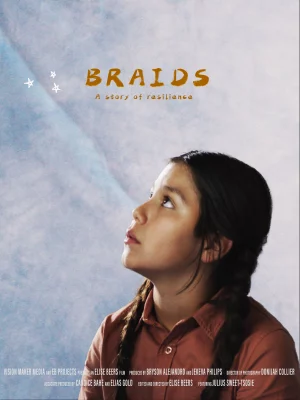
Braids
Director: Elise M. Beers
Braids tells the story of Raven, a young Native American boy still figuring out how to be proud of his cultural heritage while others in his community actively pressure him to look and behave otherwise. This film won the Emerging Filmmaker prize at the festival, and for good reason. Despite one or two stilted performances in the supporting cast, all of the meaning and emotions still come through, strong courtesy of a moving performance by young actor Julius Sweet-Tsosie and Elise M. Beers‘ measured direction. The film’s second to last shot — of Raven and his mother walking back into their house — mirrors the famous opening shot of The Searchers (1956). It’s a deeply impactful reversal of a film history infamous for twisting the stories of those who lived on this land first.
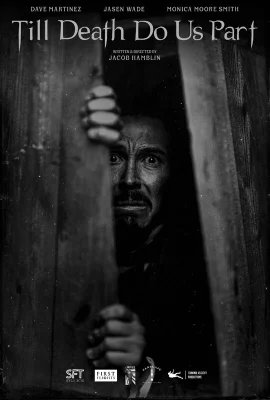 Till Death Do Us Part
Director: Jacob Hamblin
If you must learn anything about me from this piece, let it be that I’m a sucker for a good ghost story. Till Death Do Us Part delivers in droves. The short tells the story of Alden, an undertaker’s underling in the 1800s, desperate for riches so he can propose to his love. Upon hearing of a body buried with its family jewels, Alden’s story takes a dark turn and never stops turning. With unreal black and white cinematography, fantastic makeup effects and great performances from the entire cast, Till Death Do Us Part is a true horror achievement by Utah filmmaker Jacob Hamblin. Though the pacing of the third act means it overstays its welcome by a hair, the overall production quality and performances certify its place as a genuine gem of genre filmmaking I won’t soon forget.
squanchy papi.
Director: Brinton Douglas
Shot entirely on 16mm and backed by a casual, just-hanging-out narration from subject Nick Santos (aka squanchy papi), Brinton Douglas‘ short captures the life and work of one of SLC’s most impactful cyclists and event organizers. It’s a Salt Lake film down to its core, capturing the energy of summer in our city that I would have thought would be harder to capture. Maybe that just speaks to Douglas’ knack for finding beauty in the parking garages, car lots, frontage roads and fields of the Salt Lake Valley. It’s a gorgeous documentary that finds a dreamy, playful energy both in its subject matter and in its construction. As someone currently living far too far from downtown SLC, it makes me yearn for the community that folks like squanchy papi make so special. An outright success, in my book.
 The Ghost In The Road
Directors: Aaron Tharp, Andy Matthews
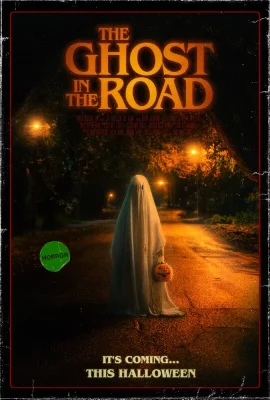
Few first moments of a film have thrilled me as much as The Ghost In The Road‘s cold open. A running car stopped askew in the road, its driver in a panic and the suggestion of a horrible accident… It’s a perfect example of how to give the audience everything they need to know solely through clever camera movement, character action and a title card. Everywhere I hoped we were going from that moment on, directors Aaron Tharp and Andy Matthews took me there and beyond as our troubled man faces the haunting consequences of his past on an eerie Halloween night. Setting the story in 1984 could have been a challenge for the production team, but you wouldn’t know it looking at it. Every last detail sells the period — particularly the charming-yet-convincing fake slasher our main character watches on TV. The Ghost in the Road was a screaming good time and a perfect appetizer for the spooky season.
The Bug Hotel
Director: Mya Iannuzzi
The Bug Hotel almost escapes definition, but I’ll try: A mixed-media story with all the charm of a Jim Henson production, rooted in the whimsy of a generation raised on equal measurements of Internet humor and the silver age of Cartoon Network. As Ben, a 2D animated concierge bug, wanders through the real-world-meets-animated-world of his titular employer, he crosses paths with various bugs in various styles. The star of the show is the Maggie puppet, a praying mantis designed out of what looked to be cardboard and cups. In the post-screening Q&A, Iannuzzi said it was originally planned to be a musical, but only one song (a fantastic, acid-trippy number by a stoner snail) made it through production. That the short still carries the high-energy of a musical number is a testament to the liveliness of her many art styles. I personally can’t wait to see what this New Jersey-based artist does next.
 Rat Rod
Directors: Carly Jakins, Jared Jakins
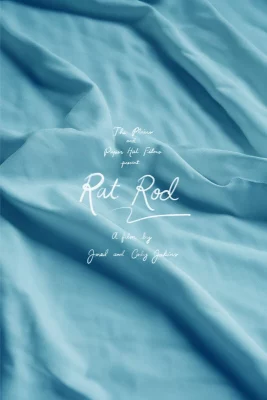
Perhaps my favorite of the festival, Rat Rod explores the work and story of rural Utah mechanic Jorge Ramirez through pitch-perfect storytelling and stunning composition. Married directing duo Carly and Jared Jakins have been making films for a decade and it shows. Every piece of the film is elegant in its construction. The two narratives unfold parallel to one another: Ramirez narrates his past while in the present we watch him put together the titular rat rod. The Jakins maintain a stunning 1:1 aspect ratio until the moment Ramirez’s creation is complete and soaring along the Bonneville Salt Flats in glorious widescreen. The dangers and traumas Ramirez faces are embodied by white sheets hung from the ceiling, framed and puppeted to evoke all that haunts him. It sounds heavy handed, but the beauty of Rat Rod is that none of it is. Like all films, Rat Rod is a film better seen than read about, but not all films are as immensely moving, hauntingly profound and reasonably well-assembled as Rat Rod.
Them That’s Not
Director: Mekhai Lee
It’s almost impossible to believe that Them That’s Not is director Mekhai Lee‘s first short film. Telling the story of Drea, a Deaf, queer poet at her family’s celebration for the life of her recently deceased grandmother, Them That’s Not is a true testament to what a great short film can do. It puts you in a place and time, shows you a life you haven’t lived and changes you a little bit forever all within the span of 20 minutes. Lee’s use of subtitles is a revelation, changing words into question marks whenever Drea can’t hear or read the lips of who’s speaking. The ending, in which Drea’s estranged father — temporarily released from prison — is the first and only person at the event to communicate with her fully in sign language, is undeniable. Over all, there’s an immediacy to the worldbuilding both behind and in front of the camera that makes it clear why this film won the Audience Award.
Read film related issues here:
Film Review: The Baltimorons
Dylan O’Brien and James Sweeney Talk Twinless with a Twin
