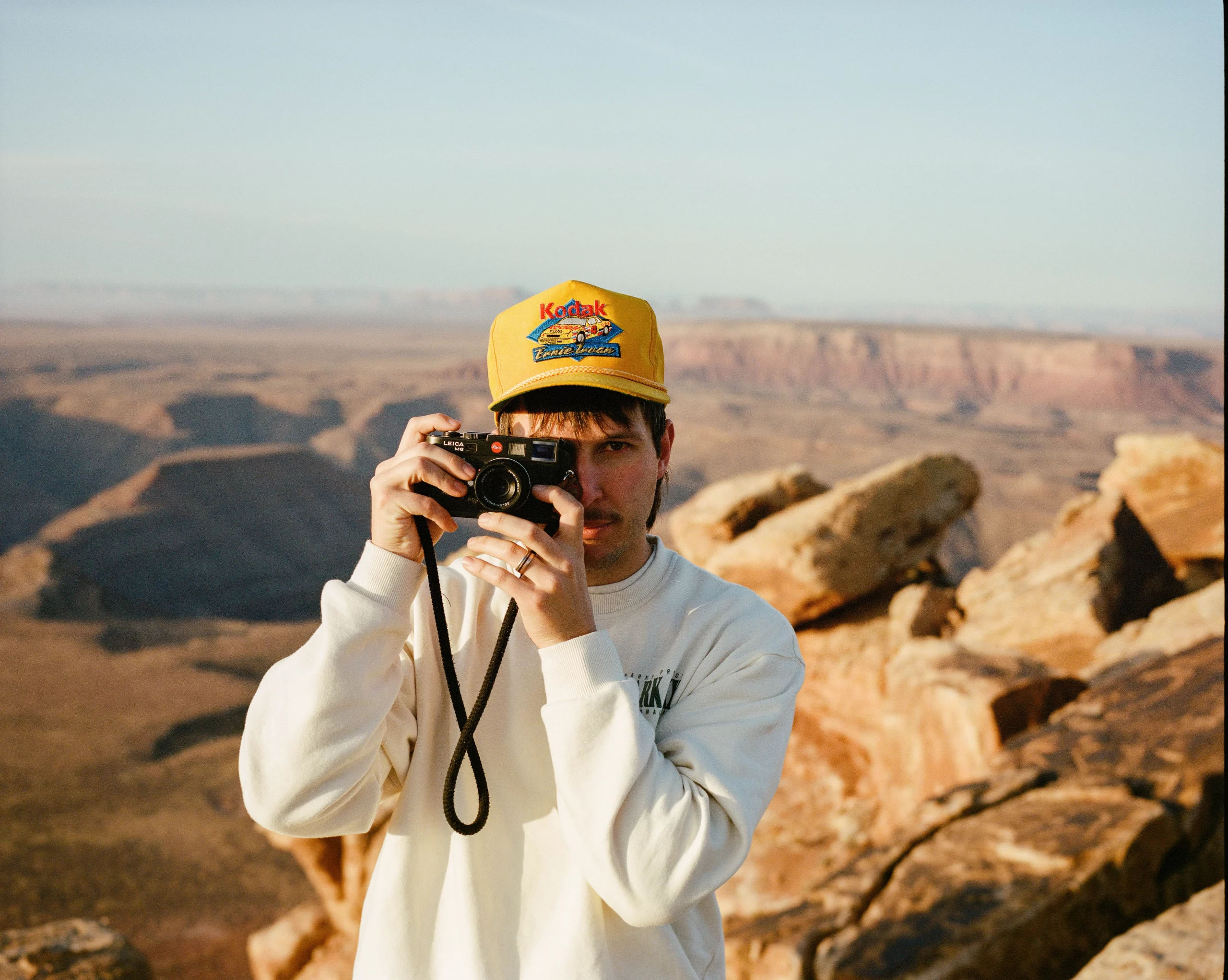
Flip Twogood: Discovering Landscapes on Film, One Roll at a Time
Arts
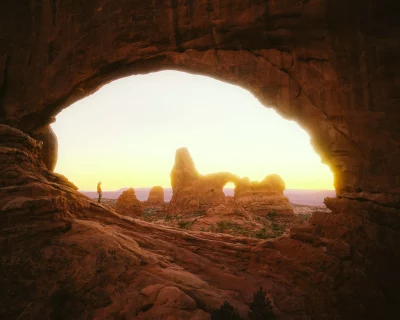
This December marks three years since the start of Flip Twogood’s photography journey. “My wife and I upgraded our camera that Christmas, and I decided I wanted to really learn how to use and understand it,” he recalls. With only a basic understanding of photography, Twogood challenged himself to take and edit one photo every day for 30 days, posting each final image to his Instagram story. “There were times I’d had a really long work day and didn’t get a chance to go out and find a photo until 10:30 at night,” he says. The added pressure of sharing daily to his Instagram raised the stakes and pushed him to improve. By the end of the month, Twogood had learned to see the world differently. In doing so, he discovered a passion that would soon transform his life.
“If there’s something that slightly calls to you, take the time to investigate.”
In that first year and a half of discovering photography, Twogood became an avid learner, eager to absorb everything he could to improve his craft. “For probably that first year and a half, I was watching YouTube every single day, taking in as much information as possible,” he says. After a year of experimenting with digital, he borrowed his father-in-law’s Canon AE-1 and hiked Mount Timpanogos. Laughing, he says, “I bought a roll of film from the camera store and they had to load it in the camera for me — I didn’t know how.” That was the first roll of film Twogood ever shot, and once he got it back, he knew immediately he’d found what he was looking for. “I shot two of my all-time favorite photos on that first roll. It was exactly what I had been wanting my photos to look like,” he says.
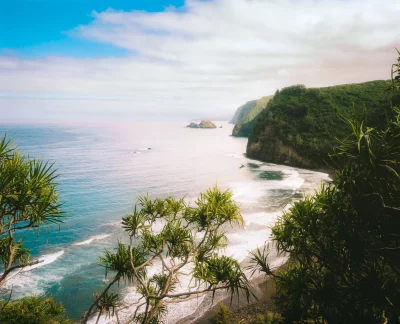
Over the next few months, Twogood gradually transitioned from shooting both digital and film to almost exclusively film. When I ask what drew him in, he discusses two main things. First was the intentionality of the process. “I’ll be looking through the camera at least a minute or two, double-checking everything, making sure the frame feels right, and trying to envision how the photo will look once developed,” he explains. Taking a slower pace changed everything for him. With film, there is no rapid-fire shooting or endless retakes. “It forces me to slow down and be intentional about the photographs I am taking,” he says. The second reason is the look itself — the way film captures shadows, highlights, contrasts and color. Twogood loves that nostalgic quality — something he found hard to achieve with digital. To bring that vision to life, he relies on Film Cult Lab, a photo lab in Salt Lake City that develops his film. “They are genuinely the best and always do an incredible job,” he says.
“I bought a roll of film from the camera store and they had to load it in the camera for me — I didn’t know how.”
At first, Twogood photographed whatever caught his eye — storefronts, street corners and random buildings around town. Many of the photographers he followed on Instagram were posting stunning landscape shots, which sparked his curiosity. Though he hadn’t grown up outdoorsy or particularly fond of hiking, he wanted to capture similar scenes. So he started venturing out to nearby national parks, shooting along the way. “I tried hiking, and when I got to the top and saw the view, I knew it was well worth the effort,” he says. From there, a casual interest turned into a passion. This past summer alone, Twogood estimates he hiked about 500 miles, always with a camera in hand. “Once I started getting into those locations, having my camera with me made it a hundred times more rewarding,” he says.
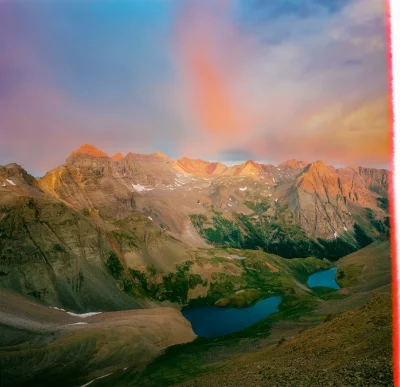
As Twogood’s photography has grown, so has his circle of friends in the industry. He’s learned a lot from fellow photographers — especially about reading the weather and planning shoots around it. One skill he’s picked up is using apps like MySunset and Windy to predict ideal conditions. By plugging in locations, he can track cloud cover, color potential and even radar movements to see where the clouds are headed. Twogood often uses the two apps together to find the perfect window for shooting and to plan where he’ll go next.
“Deciding to try photography has been the most beneficial thing that’s ever happened to me.”
Twogood continues to challenge himself as he refines his artistic style. Each January, he repeats his original 30-day challenge as a way to keep growing and improving. One piece of advice he hopes to share is this: “If there’s something that slightly calls to you, take the time to investigate. Even if you have other hobbies or think you know what you like, it might not be exactly what you’re destined for,” he says. Photography was never on his radar, and as he reflects on the past, he says, “Deciding to try photography has been the most beneficial thing that’s ever happened to me. It’s led to incredible memories and far more experiences than I ever would’ve had if I hadn’t given it a chance.”
Check out Twogood’s amazing work on his Instagram @flippy2good or website fliptwogood.com.
Read more features on local photographers:
The Bold, Bright and Beautiful World of Sharon Reza
Finding Beauty Where It Shouldn’t Be: The Work of Photographer Dom Ducote
