Analog RGB: The Skate Photography of Leo Wilson
Art
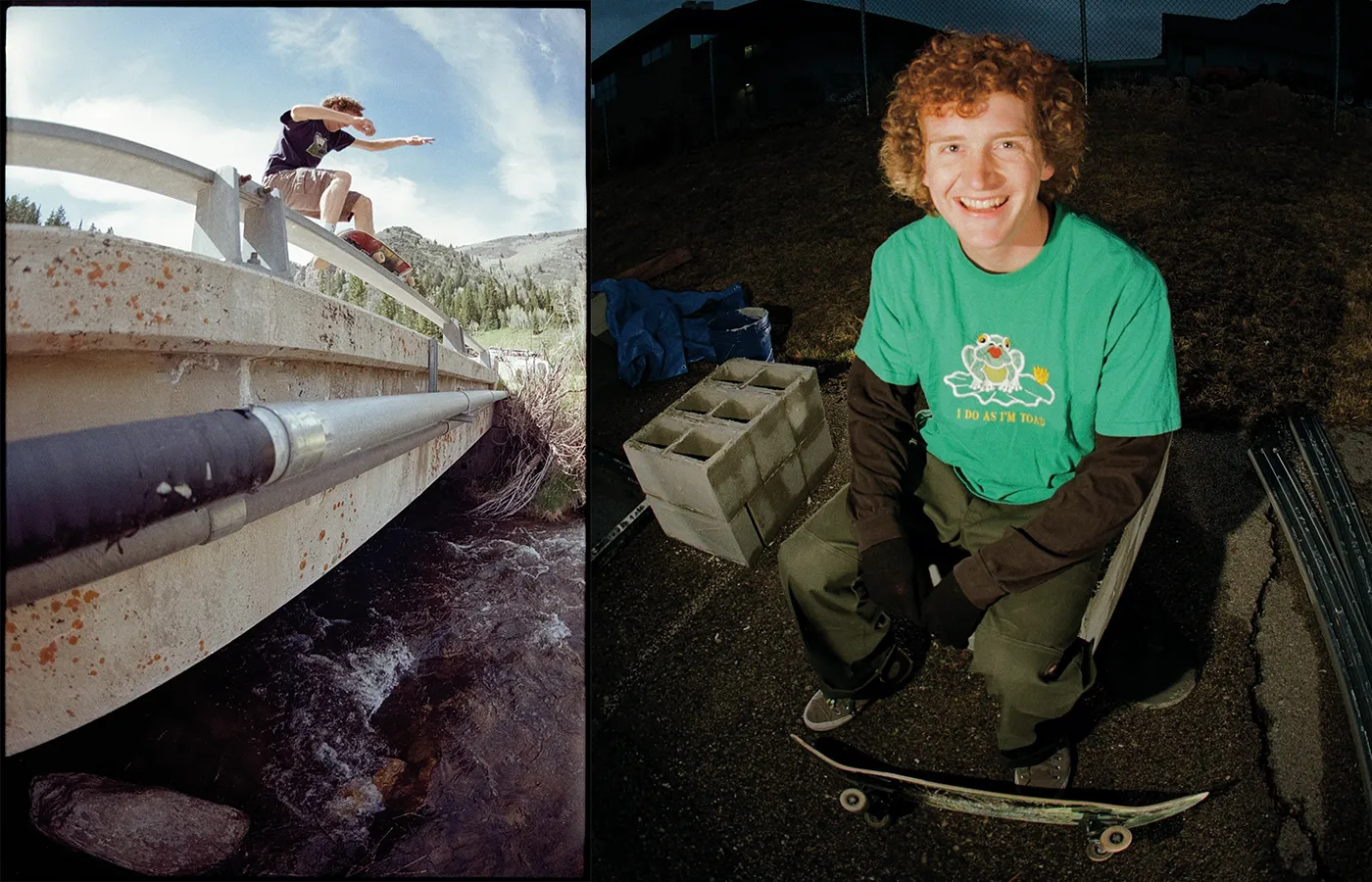
In the land of the Beehive, it can almost be guaranteed that our feeds are filled with a beige color palette, wheat fields, fluorescent smiles and Canon T7 starter-kit couple shoots — a Joanna Gaines curation. You may not interact with these posts, but they poison feeds almost as much as Instagram’s recent appetite for unhinged and racist AI clickbait slop. Then, by the grace of the tastemakers and trendsetters, you find a diamond in the rough. What is this I see? A tricolor skateboarding photography carousel that swipes perfectly, as if you’re pulling the film strip between your fingers. In a politician-finally-doing-the-right-thing, Kool-Aid-Man-style moment, local photographer Leo Wilson provides the most exceptional timeline cleanser.
“Ever since I shot something on film, I was like, ‘Oh — this is actually fun.’”
It all started with skateboarding, long before he got behind the camera. “When I was 15 or 16, I’d hang out at Time Machine Skate Shop and look through old skate magazines — all those archival photos really inspired me,” he says. Growing up in West Jordan, Wilson had always been surrounded by skating. When a friend eventually handed him a disposable camera, he fell in love with the imperfections — the wait, the grain and the pride that comes with enduring the old-school way of doing things. “Ever since I shot something on film, I was like, ‘Oh — this is actually fun,’” he says. His curiosity and acceptance of happy accidents on film pushed him to go further, experimenting with methods unusual in skate photography.
Experimentation led him to trichrome photography, a process he breaks down in his YouTube video “Trichrome Skate Photography.” The technique involves taking three photos on black-and-white film — one through a red filter, one through green and one through blue — and combining them to create a single color image. It’s a method rarely used in skate photography, since the smallest movement between exposures can throw the whole frame off. “It took me months,” Wilson says. “I was thinking about it every day.” Rather than avoiding motion, Wilson leaned into it, using the trichrome method to capture skaters mid-trick, creating streaks of color that blur across the frame. He first perfected the look digitally before trying it in the darkroom at The Red Room. “It didn’t really work,” he says, referring to the print process, “but it kind of did.”
“To me, it’s worth breaking stuff to get what I’m going for.”
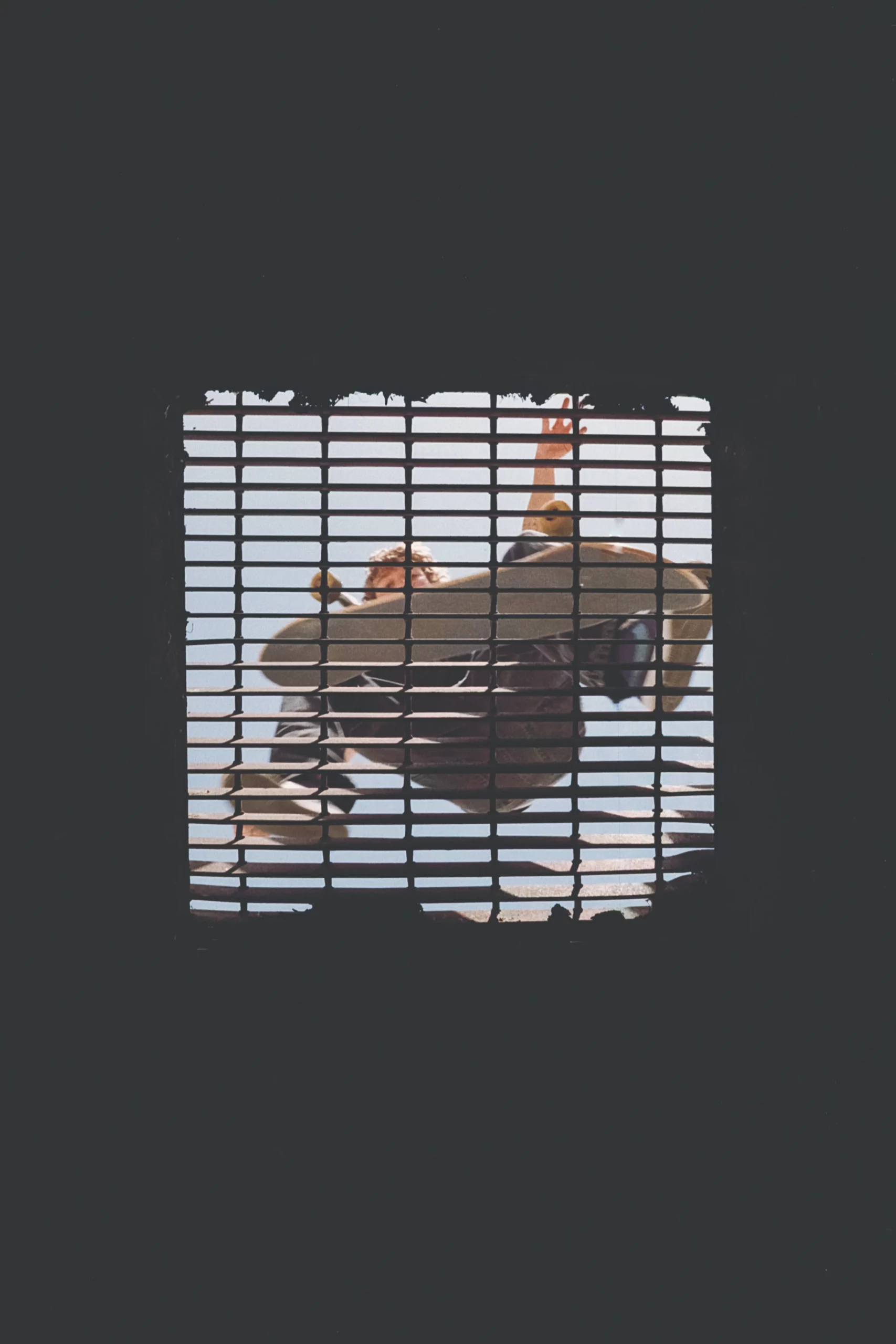
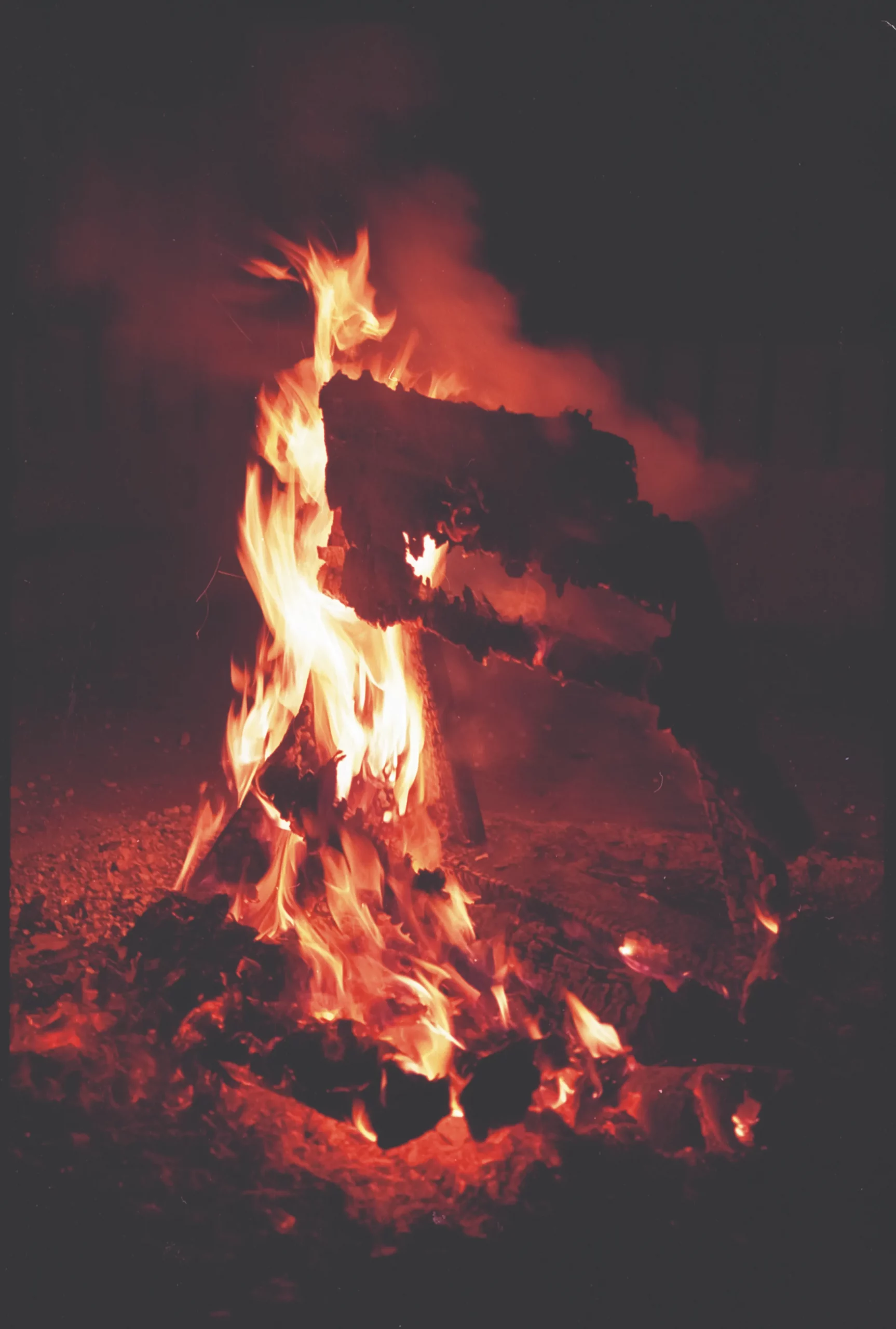
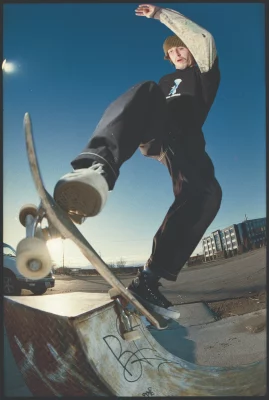
That experimental drive hasn’t slowed down. Wilson’s approach to photography mirrors the same mindset that defines skating — persistence, trial and error and a willingness to destroy something in the process of it all. In some photos, his 16mm fisheye lens couldn’t get any closer to the deck of a moving board. “To me, it’s worth breaking stuff to get what I’m going for,” he says.
Wilson has also started applying his filmmaking background to create and educate through his videos, breaking down processes like trichrome for people who want to experiment with it themselves. His videos merge his many technical skills — teaching while still learning, creating while still experimenting. “I just want to make stuff I would’ve watched as a kid,” he says. “I want to make something new, something people [would] think about.”
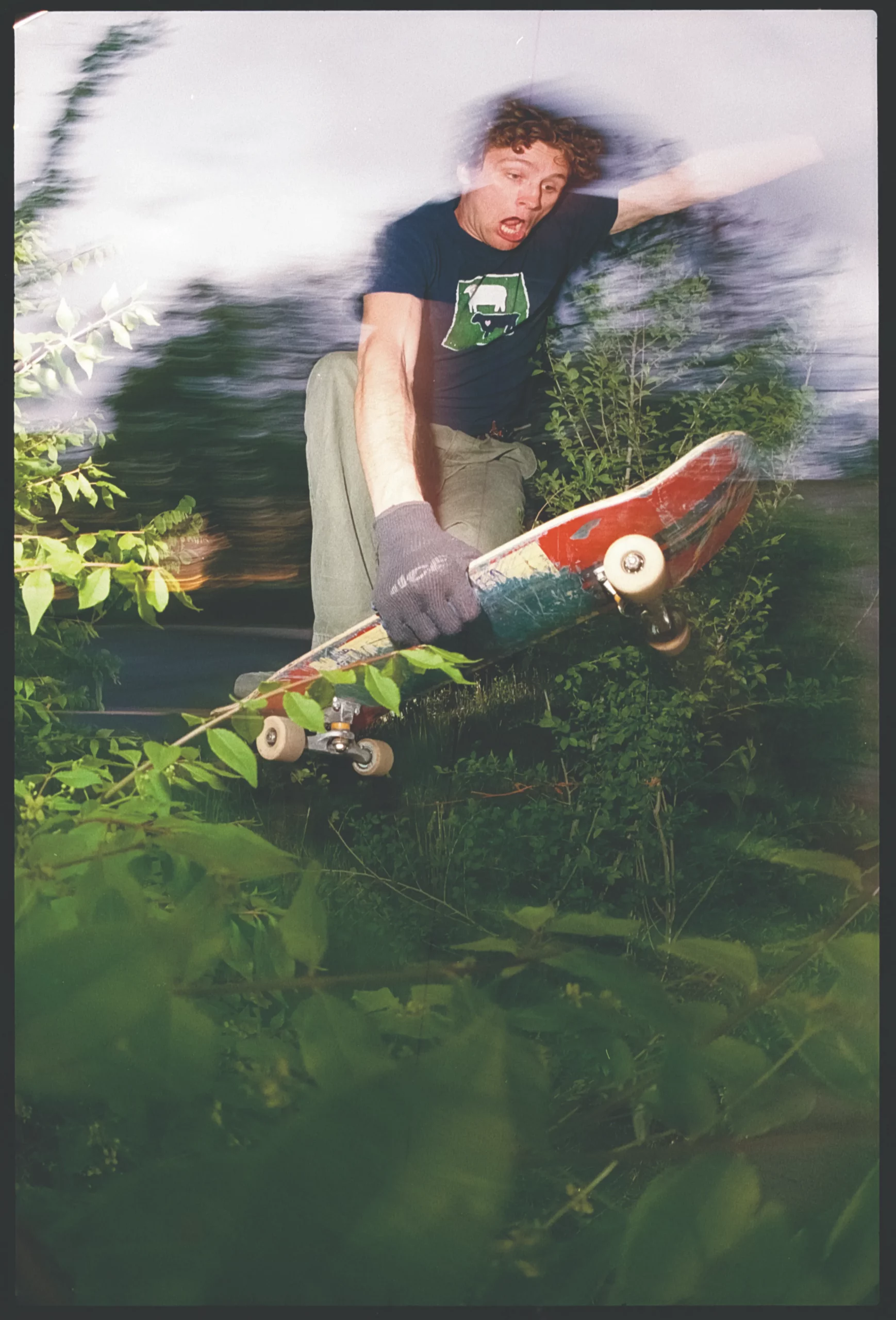
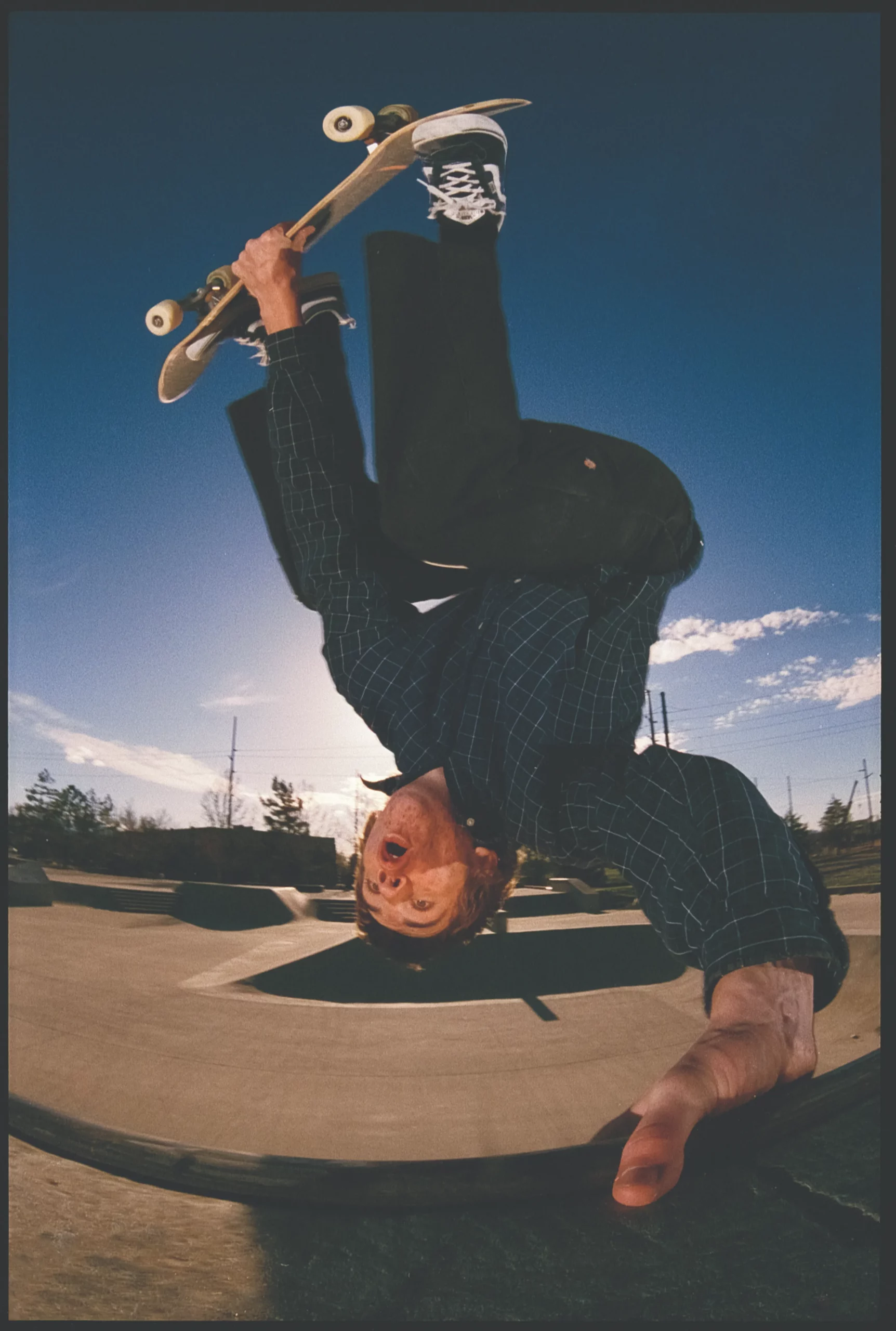
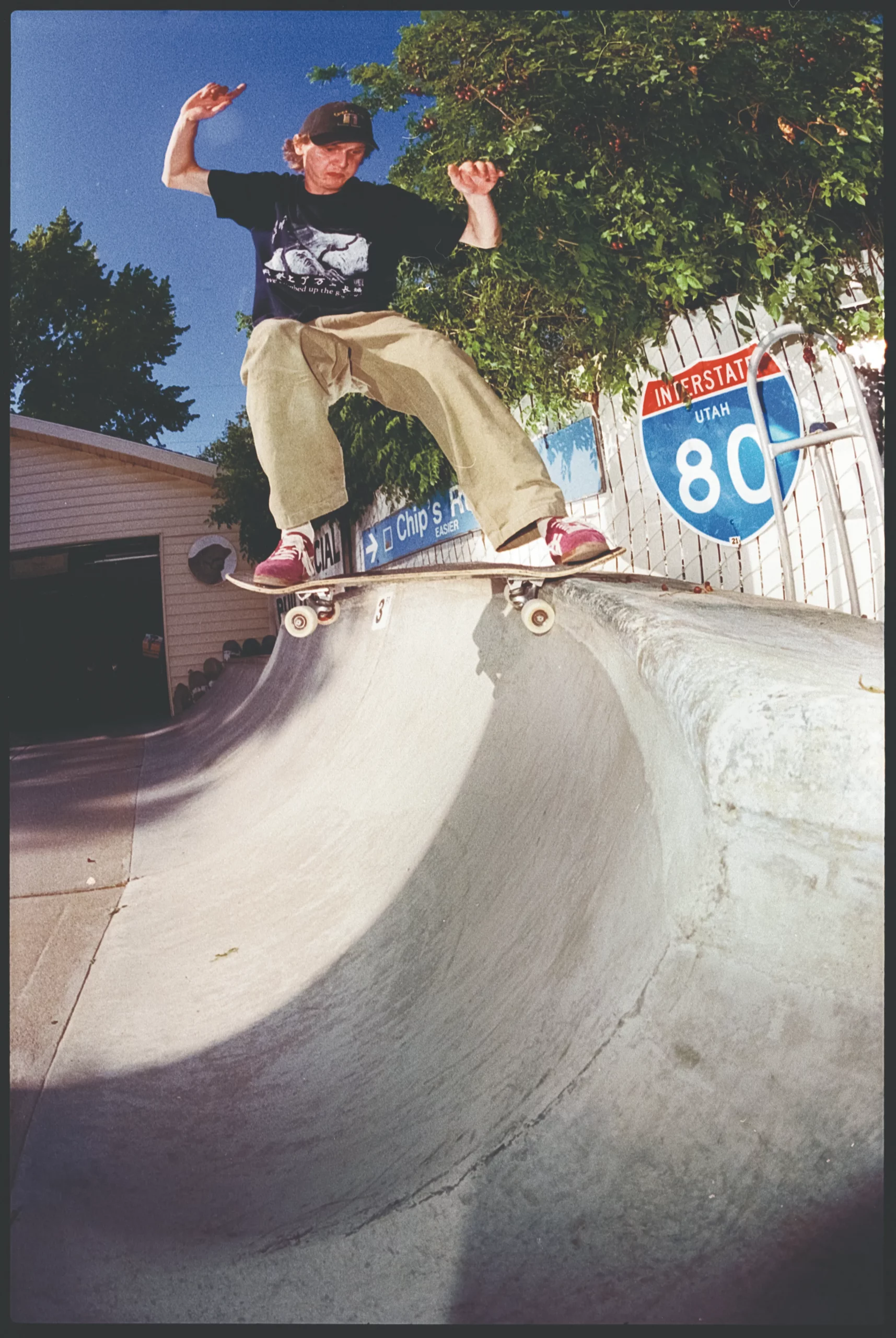
“I just want to make stuff I would’ve watched as a kid. I want to make something new, something people [would] think about.”
It’s comforting to know the relationship between the skateboard and the fisheye lens is still alive and well. As someone who can appreciate the difference between content and craft, Wilson’s work feels like a cure to the endless scroll. His work also serves as a reminder that red, green and blue can mean so much more than a print color profile option. Here’s hoping that this new generation still has the patience to find out if the front 5-0 was even in focus.
You can find more of Wilson’s work at @leotheepic43 on both Instagram and YouTube.
Read more features on local photographers:
Playing with Scale: Jillian Meyer Sees People in Petals
Leaving the Church: Jonathan Lovett Captures Stories from Utah’s Youth
