Tamra Davis Revisits ‘The Best Summer’ of Her Life at Sundance
Art
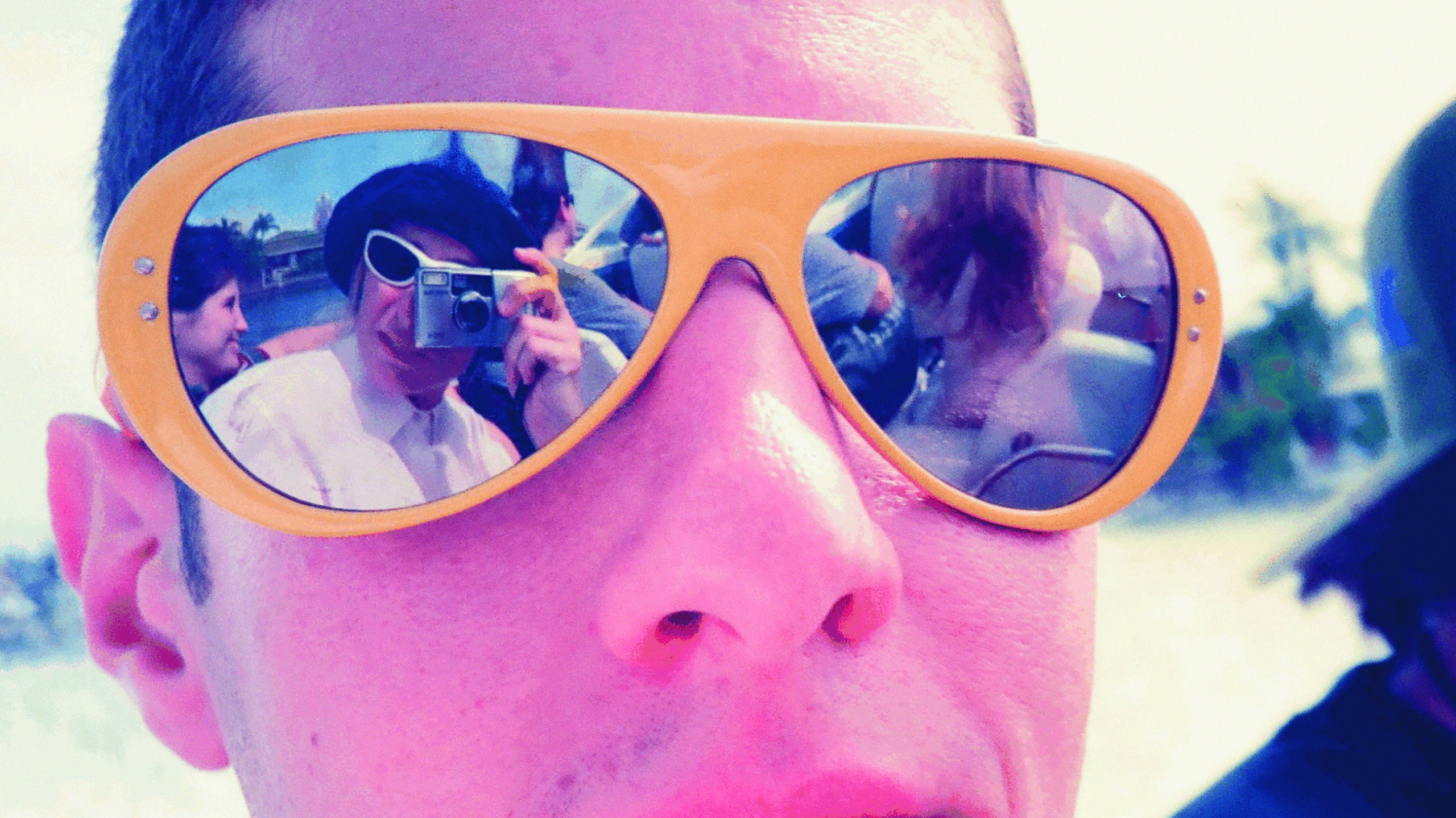
Tamra Davis spent the summer of 1995 filming musicians she already knew, carrying a camera through shows, backstage hallways and tour buses at the Summersault music festival in Australia. At the time, the footage wasn’t meant to become anything. 30 years later, while evacuating from the Palisades fires in January 2025, Davis found boxes of videotapes she had shot that summer featuring Sonic Youth, Beastie Boys, Foo Fighters, Pavement, Bikini Kill, Beck and more.
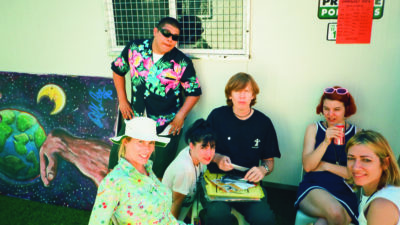
Watching them decades later, Davis realized she had documented a rare and intimate moment in music history. “I was like, what is in all these boxes of tapes that I’m ferrying around, trying to protect from the fire?” Davis says. “So I looked at them, and that’s when I realized I filmed a documentary.”
“So when I watch it, it’s like somebody recorded my brain.”
The footage became The Best Summer, which premieres at the 2026 Sundance Film Festival as part of the Midnight program. The film is entirely archival, shot handheld by Davis herself, placing viewers directly inside the moment. It stays immersed in 1995, with no present-day commentary. “I just want [the audience] to go back to the ‘90s, and it [to] be pure,” Davis says. “So there’s no conversation; there’s no context. I take you back there and you never leave that time.” For Davis, rediscovering the tapes was also a confrontation with memory. “It’s literally my point of view,” she says. “So when I watch it, it’s like somebody recorded my brain.”
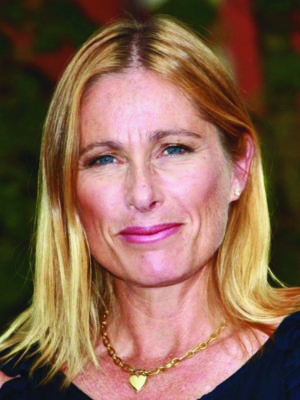
In the 1990s, Davis was already deeply embedded in music culture, directing videos during what she calls “the heyday for music videos.” She often operated the camera herself. “I went to film school and I just always had a camera in my hand,” she says. “So I not only was directing them, but I usually shot a good portion.”
“When I’m talking to Beck, or any of those guys, they’re looking at me.”
During Summersault, that constant filming blended into daily life. “It wasn’t like, ‘Oh, a journalist is here,’” she says. “It was like, I was part of the group, and I just so happened to have — and always had — a camera.” Davis says that familiarity shapes the film’s tone. Musicians speak casually, joke, ramble and sit in silence. “I left the interviews uncut,” Davis says. “Almost all the concert footage is one shot.” She credits that intimacy to trust and proximity. “When I’m talking to Beck, or any of those guys, they’re looking at me,” she says. “That’s why I kept the whole thing POV. It looks like they’re looking at you.”
Looking back now, Davis sees the era as unusually communal. The audience is present. The bands are accessible. Phones are nowhere in sight. “You look at the audience, the audience is there,” she says. “There’s no phones. Nobody is looking at the band with a screen in front of them.”
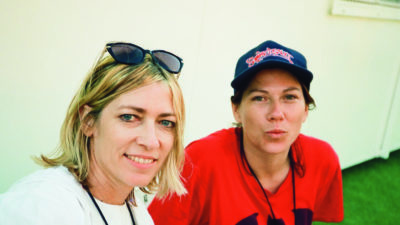
When editing The Best Summer, Davis made a deliberate choice to work independently. “I decided to self-finance the film so that I didn’t get any notes from executives,” she says. Instead, she screened cuts directly for the musicians. “So when I got my cuts done, I screened it for the bands, for them to give me notes,” Davis says. “I own this — that’s the only way a film would ever have gotten approval from all these bands.”
“I decided to self-finance the film so that I didn’t get any notes from executives.”
As The Best Summer premieres, Davis hopes it encourages younger creators to make work without waiting for permission. “If you have a movie to make, and you want to make a movie, you tell yourself to make movies,” Davis says. “And [it] doesn’t matter what Hollywood is doing, right? It’s on you.”
The Best Summer screens at Sundance beginning Jan. 24, with additional Park City and Salt Lake City showings, and will be available online Jan. 29 through Feb. 1.
Read more of SLUG’s coverage of the 2026 Sundance Film Festival.
