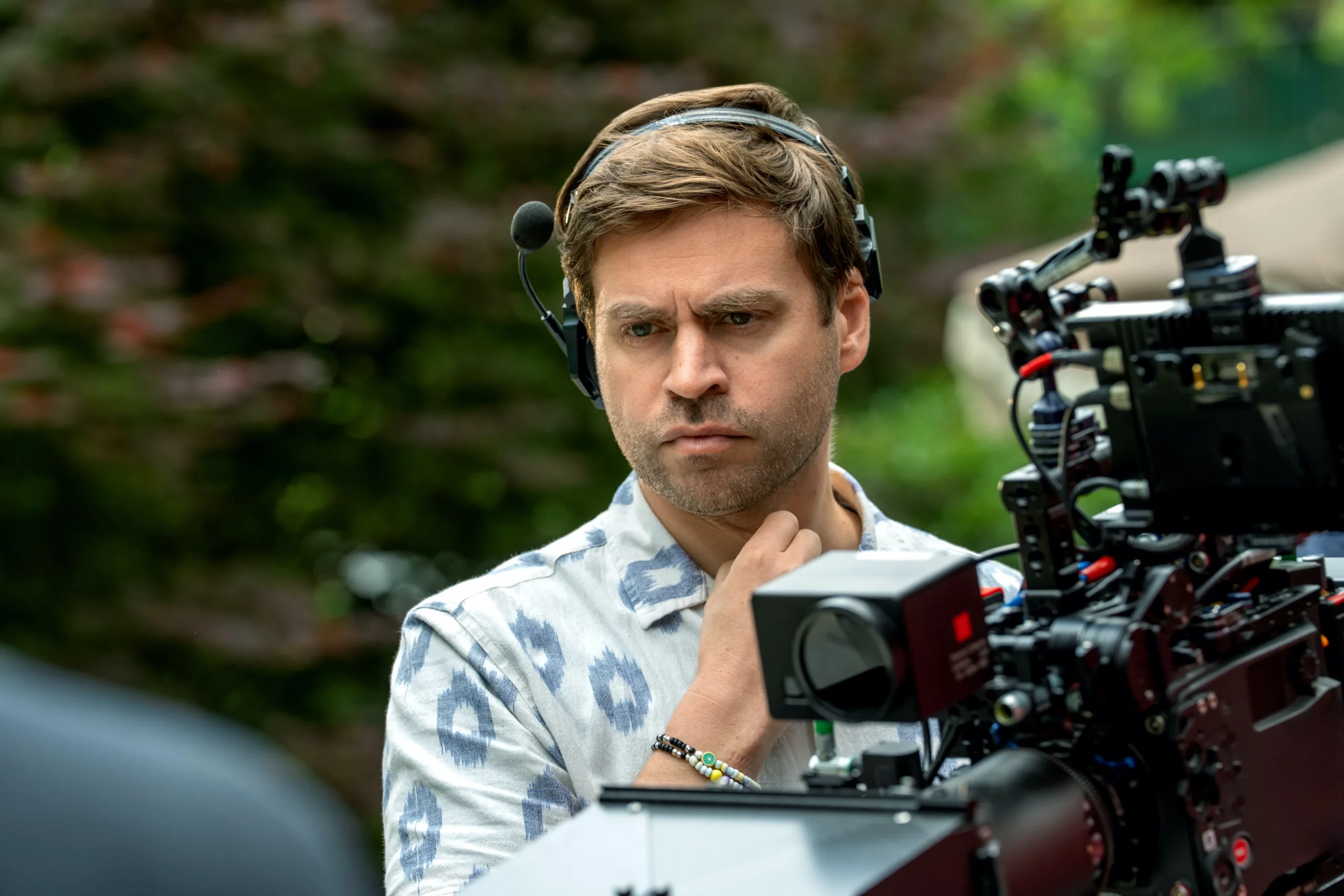
Eben Bolter on Shooting Cape Fear
Arts
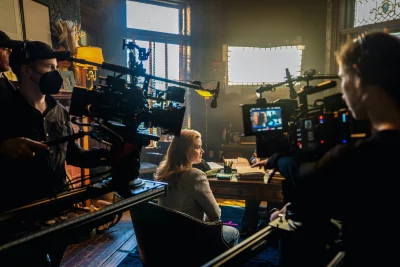
Apple TV+’s adaptation of Cape Fear reimagines the classic thriller for a new generation, with Steven Spielberg and Martin Scorsese serving as executive producers. Bringing the story’s oppressive atmosphere to life is cinematographer Eben Bolter (ASC, BSC), whose credits include The Life of Chuck, The Last of Us and Slow Horses.
“My agent just said, ‘Oh, we had an inquiry come in. They’re making a Cape Fear TV series,” Bolter says. The series from executive producers Spielberg and Scorsese, a reimagining of the story of an ex-convict terrorizing the lawyer who put him away, was an incredible opportunity for an up-and-coming cinematographer, but Bolter was just wrapping a 110-day shoot on Slow Horses, away from his wife and two young children and would have to jump straight into Cape Fear. “There were so many reasons to not do it from a practical perspective,” Bolter says. “But my wife said, ‘We always said, ‘if Spielberg calls…’ and his name was literally on the tin, and there’s no way I could not do that job.” The commitment ultimately led to nine months living and working in Atlanta.
The series follows Anna and Tom Bowden (Amy Adams and Patrick Wilson), two attorneys who met 17 years ago while working on the trial of Max Cady (Javier Bardem), a man accused of the brutal murder of his wife. Seventeen years earlier, Anna was Max Cady’s defense attorney, while Tom prosecuted. After Cady went to prison, Anna and Tom married and started a family, living a quiet life until suddenly, Cady is released from prison after someone else confesses to the crime. As the ex-convict inserts himself into Anna and Tom’s lives, old secrets are unearthed, and their dreams of happily ever after become a nightmare.
Bolter faced both a dream and a potential nightmare of his own with the daunting challenge of helping reinvent one of the most visually memorable thrillers of the modern era, following in the footsteps of legendary cinematographer Freddie Francis, who shot Martin Scorsese’s 1991 film adaptation. “Oh my God, it was incredibly intimidating but incredibly liberating, because it felt like there was a real opportunity here,” Bolter says. Rather than simply recreate the look of the 1991 film, Bolter focused on preserving its spirit. What stood out to him most was not the lighting but the audacity of the camera work and visual storytelling. “The camera in the ’91 Scorsese Cape Fear is so outrageous at times; it’s so big, it’s so bold. There’s so much visual storytelling. It’s almost kind of Hitchcockian. And there’s so many things going on that I just sort of thought that we can try to honor what’s been done before. But also, here we are in 2025, telling a brand new story, and we have all this new technology. It’s a brilliant time to take risks in television,” Bolter says. Those risks included embracing darkness, bold colors, expressive camera movement and visual style designed to create a constant sense of unease.
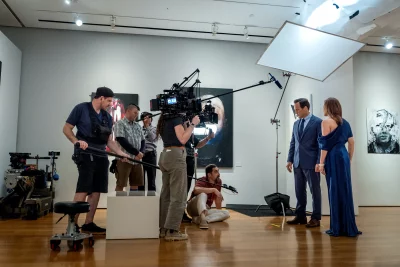
At the same time, Bolter wanted the series to feel inseparable from its Southern setting. “Being in Savannah, Georgia, being in Atlanta, it’s so hot, it’s so sweaty, it’s always either just raining or it’s about to rain,” Bolter says. ”It’s a hundred degrees. I wanted every shot, day and night, interior, exterior, to feel kind of wet, to have this sweat, to have this moisture, to have this atmosphere.” That idea quickly became a guiding principle across the entire production. What might have been a minor detail on another show became a visual mandate that involved every department. “There’s never a dry scene. Even if we were on a sound stage, if you can see greens out of the window, they were spraying them to make the greens wet outside, spraying the glass on the windows,” Bolter says. “The production designer was using glossy paint so that the paint inside the house had shine on it, so you get the little kicks and the shines. The actors were getting sprayed with sweat on their faces by makeup, and the costume was putting sweat patches on people. Every department was really just kind of bringing the moisture.”
The show’s technical approach also reflected Bolter’s desire to blend classic cinematic influences with modern tools. A longtime devotee of Arri cameras, he selected the Alexa 35 and paired it with anamorphic lenses to evoke the widescreen grandeur of the original film and the larger cinematic traditions associated with both Scorsese and Spielberg. “I’m an Arri guy. I’ve pretty much shot on the Arri Alexa, I think exclusively for about ten years now,” Bolter says. “The latest Alexa is the Alexa 35, and I wanted to use anamorphic lenses to hark back to the ’91 Cape Fear, to the kind of classic Amblin and Scorsese cinema. We just wanted to feel like a widescreen cinema at home.”
For Bolter, the chance to bring the thrill of cinema home with Cape Fear was a once-in-a-lifetime experience that honors its cinematic past while embracing the possibilities of modern television was a killer opportunity.
Read more film interviews conducted by Patrick Gibbs:
Radha Mitchell, Ioan Gruffudd and Bianca Wallace Take Aim in Seven Snipers
Jamie D. Ramsay Works Well Under Pressure
To help SLUG continue covering upcoming films, consider becoming one of our donors!
