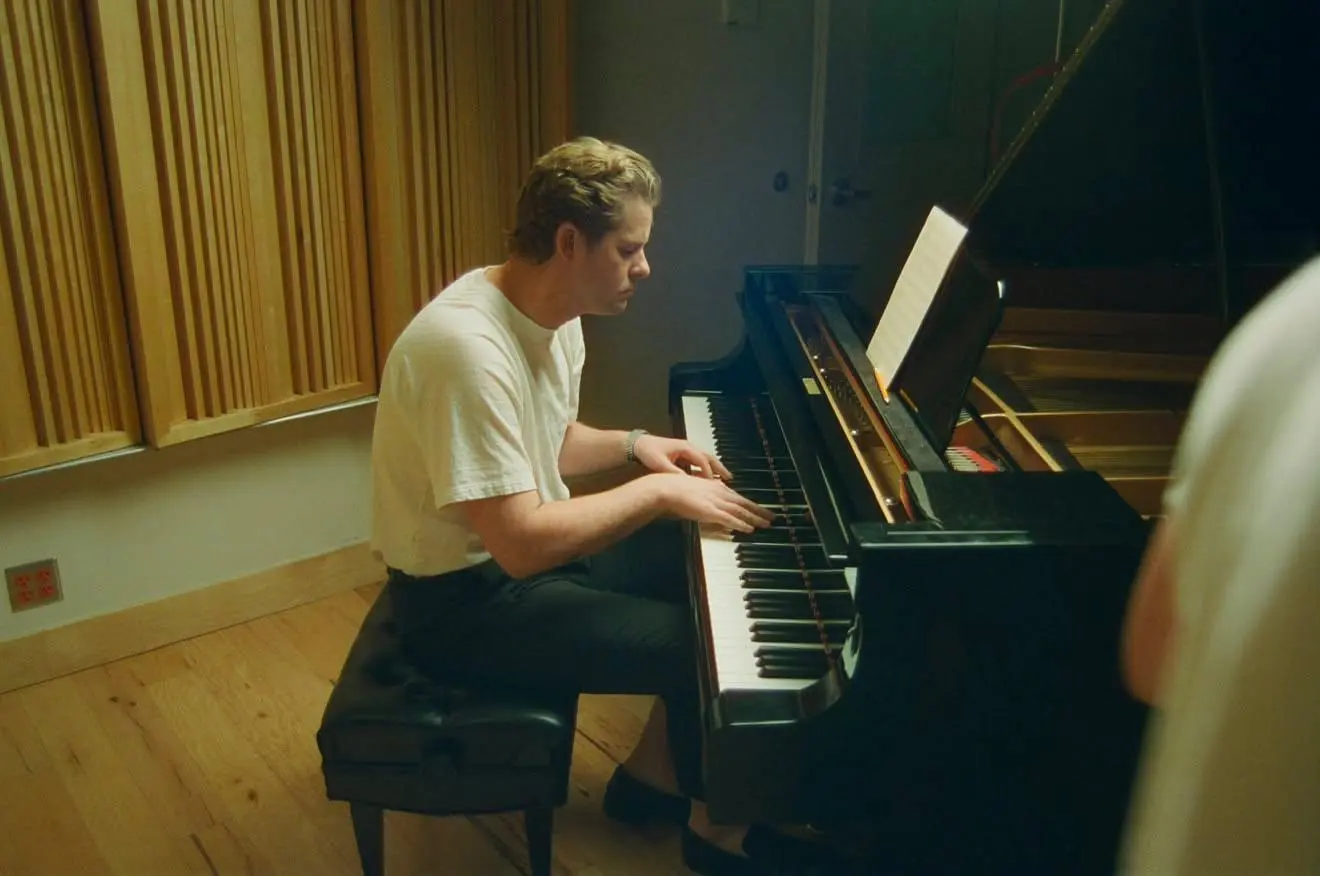
The Alchemy of Healing: Logan James Hope on Growth and Moving Forward
Interviews
Some people run from loss. Logan James Hope wrote an album about it. The Salt Lake City-based artist, best known as one half of the sibling project Silver Cup, has spent the last several years doing the kind of internal work most people avoid: honoring a relationship that ran its course, sitting with change and slowly finding his way to the other side. His new single “Death Do Us Part” is the sound of someone who has been through a great deal and chosen grace over bitterness. I sat down with Hope to discuss his thoughts on growth, ego death and why this might be the most honest record he’s ever made.
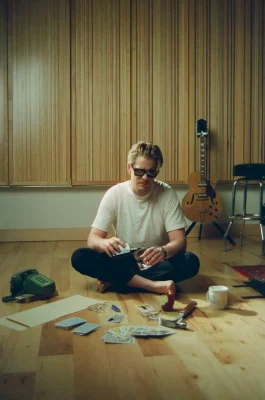
SLUG: “Death Do Us Part” is out now, and you’ve been working on new material dealing with major life changes and moving on. How do these ideas tie together?
Hope: I think the word I’d use to describe this record is grief. There are so many different kinds of grief. When you become an adult, you’re constantly chasing milestones, college, a career, marriage, buying a house, success. This record came from realizing I’d achieved or chased so many of those things, but they didn’t necessarily bring happiness. “Death Do Us Part” is specifically about my marriage ending. I was with my ex for about eight years. We started in a Mormon relationship, were married in the temple, and although I’m no longer active in the church, I still value things like loyalty, devotion, compromise and working toward something together. Losing that was a huge shock. It wasn’t just grieving the relationship itself, it was grieving the future I thought I was going to have. You look around and realize your life doesn’t look anything like what you imagined, and you have to mourn that version of your future too.
SLUG: How has navigating these changes impacted your songwriting?
Hope: After the divorce, I ended up back at my parents’ house in Holladay, Utah. I’d basically stopped making music for years because I was trying to save my relationship. Then, little ideas started showing up again. I’d record voice memos and send them to Carl Bespolka, a close collaborator I met through my friend Jack Rutter of Ritt Momney, who kept telling me, “You have to finish these songs.” Eventually, he flew out to Utah, and we rented a cabin near Capitol Reef National Park, where we made the entire record. If a take wasn’t technically perfect, but it felt emotionally honest, we kept it. When we finished, we listened to the album from beginning to end for the first time, and we both just cried. It was the easiest record I’ve ever made because I finally stopped trying to write songs for everyone else. This album taught me that art made through catharsis is one of the most powerful healing tools that exists. Therapy is great, but honestly, if you’re an artist, go make a record.
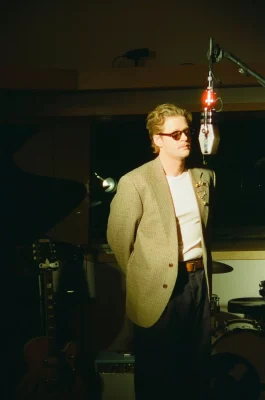
SLUG: You’ve also got tracks exploring an “ego death” concept. What does that mean to you?
Hope: Throughout your twenties, you’re constantly reinventing yourself because you’re still figuring out who you are. At some point I realized I was living for other people’s expectations instead of my own. Within Mormon culture, I was trying to become this Mormon rock star, almost like the next Brandon Flowers. That created a lot of internal conflict because those worlds didn’t really fit together. At the same time, I was trying to balance touring, recording music, being the perfect husband and trying to maintain beliefs I probably hadn’t fully believed in for a long time. Eventually, all of those versions of myself had to die. That’s what I mean by ego death. It’s letting go of the identity you’ve built because you realize it isn’t actually who you are.
SLUG: Throughout this conversation, grief is clearly central, but so is acceptance. There’s a balance between mourning what was and embracing what’s next. What does that look like on the album?
Hope: To me, the record almost feels like the Great Salt Lake. It’s about watching something slowly disappear in front of you and coming to terms with that loss. That image became a metaphor for so much of what I was processing while making this album. It’s less about one specific event and more about learning to accept that things change, even the things you thought would always be there. Ultimately, the record isn’t just about loss. It’s about acceptance and finding peace after everything changes.
What stays with you after talking to Logan James Hope isn’t simply the story behind the album, but the perspective he’s gained along the way. His music doesn’t ask listeners to move past grief so much as move through it, finding room for acceptance alongside heartache. If this record is any indication, healing isn’t the absence of loss. It’s learning to build a life where both can exist at once. Keep an eye out for his forthcoming single, “Cardboard Boxes.”
Read other music interviews from SLUG Magazine:
Swing, Jump and Shout for Joy!
Interviewing the Interviewer: What Honeybee Reviews Has To Say About SLC’s Music Scene
To help SLUG Magazine continue to support local artists, consider joining our community of donors!
