A Deeper Insight into “And you ghosts rise blue”
Arts
Indigo Cook (they/them) loves cross-pollinating art forms. Starting off as a percussion major and finishing with a master’s in dance, they have since birthed an experimental opera for Salt Lake to see in its third iteration. Set in the Masonic temple, this multi-faceted work inspires us to embrace death in ways both foreign and familiar.
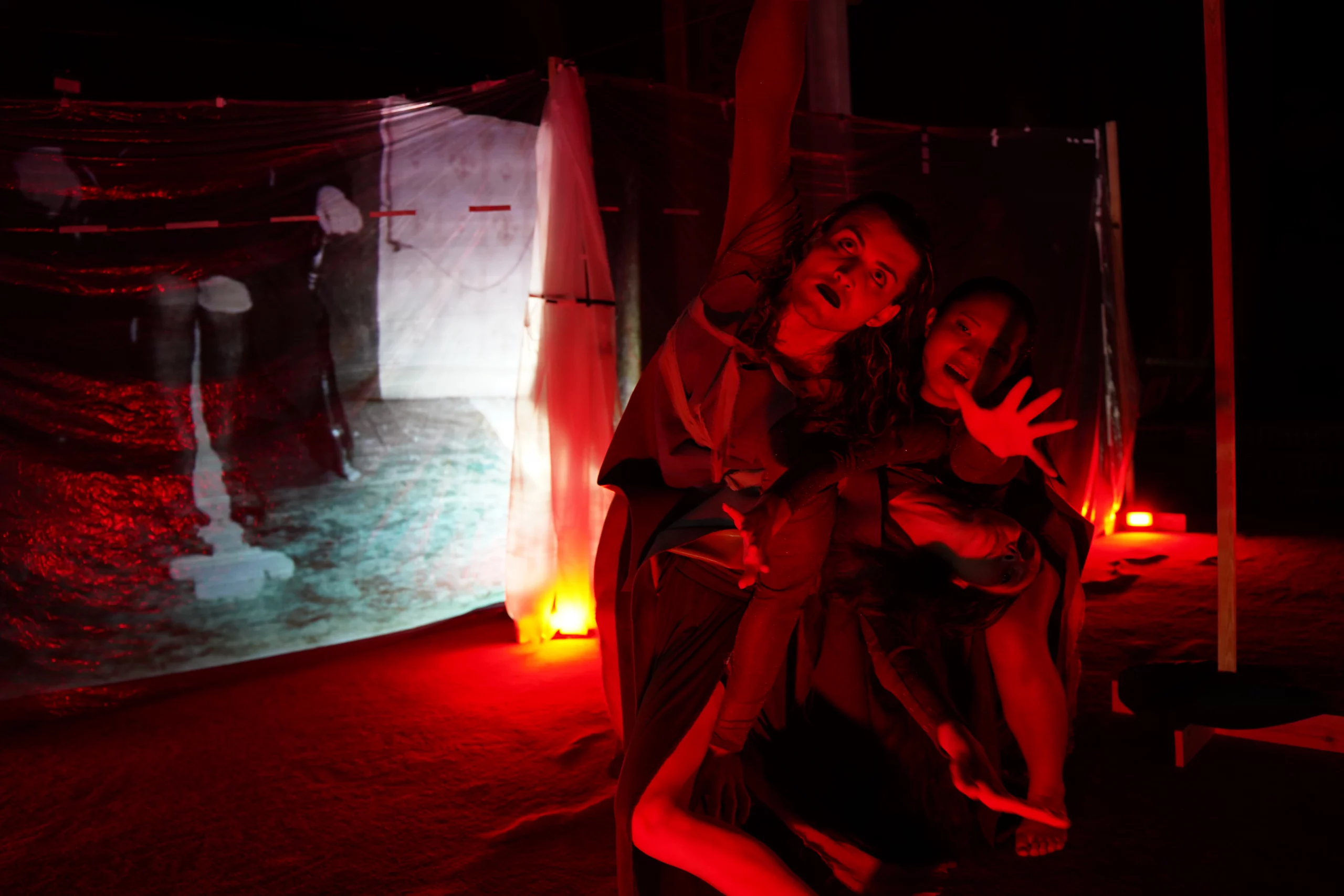
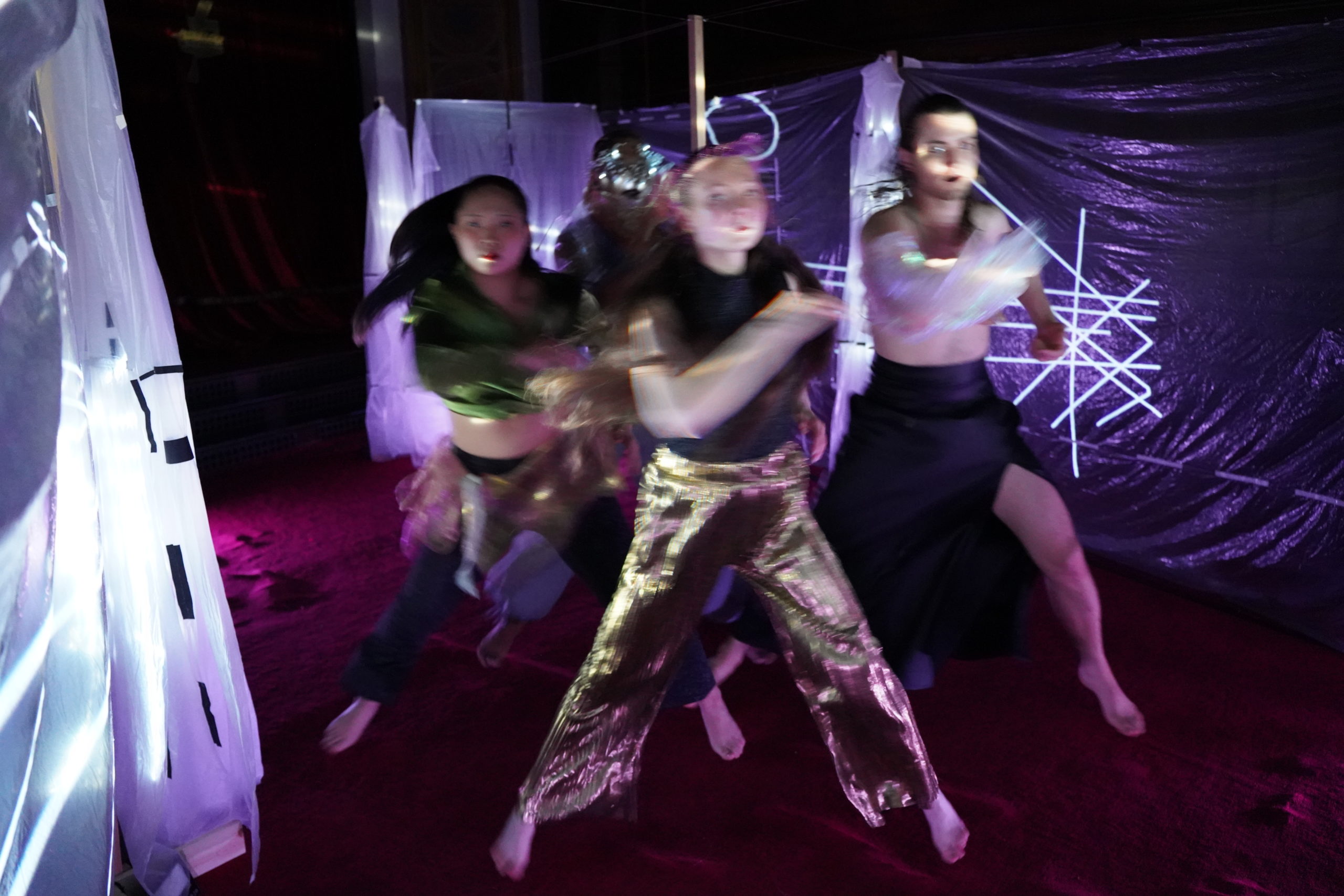
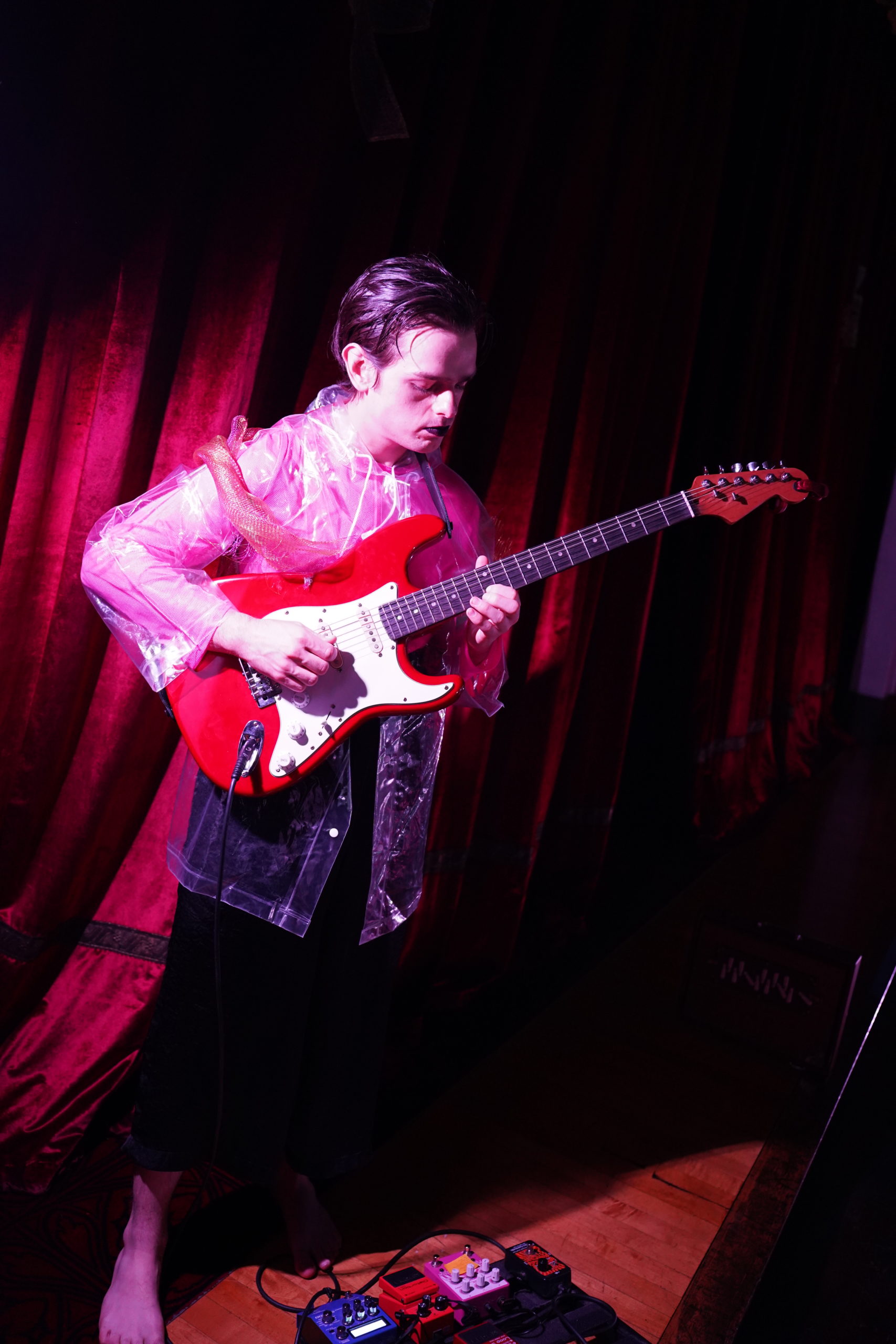
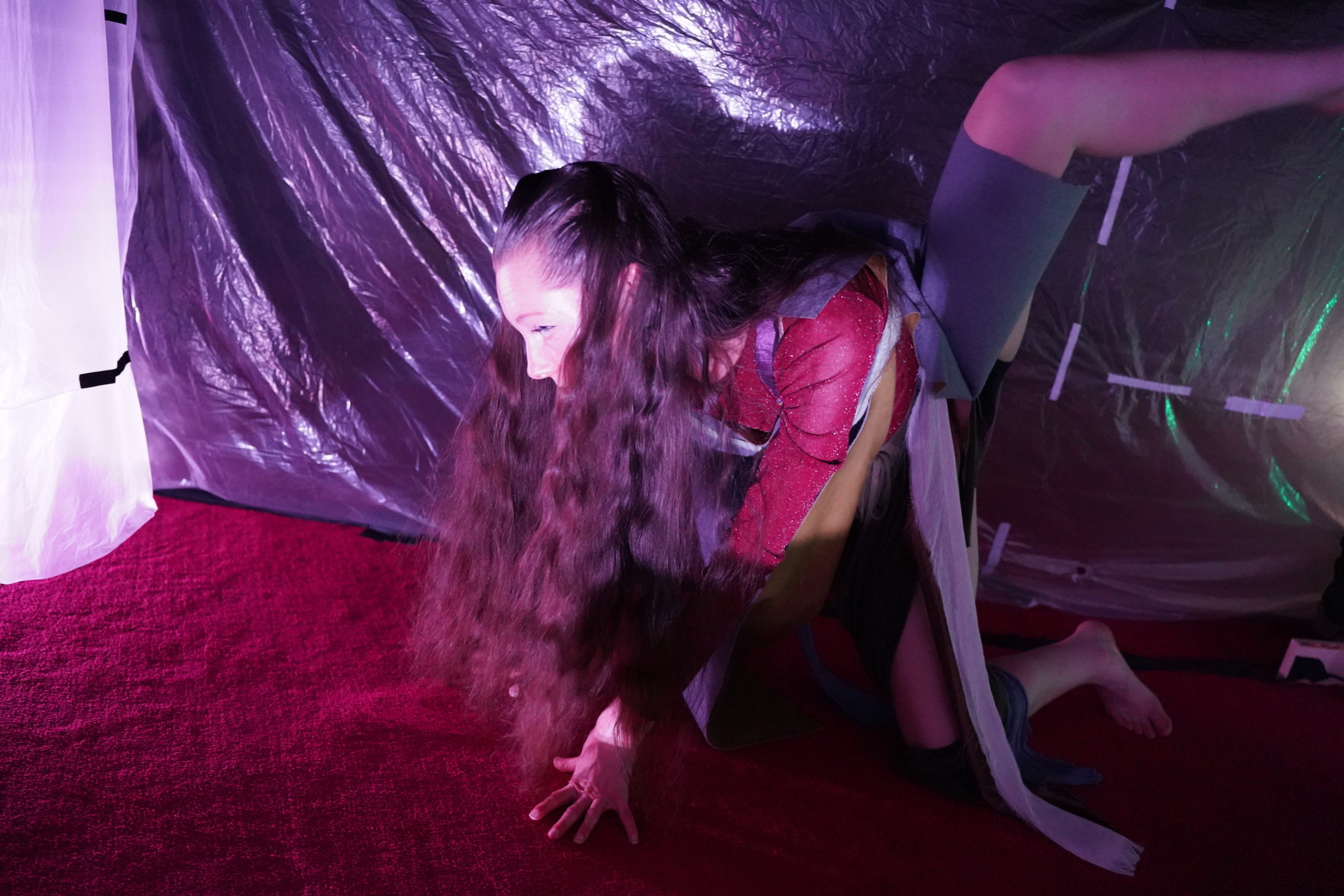
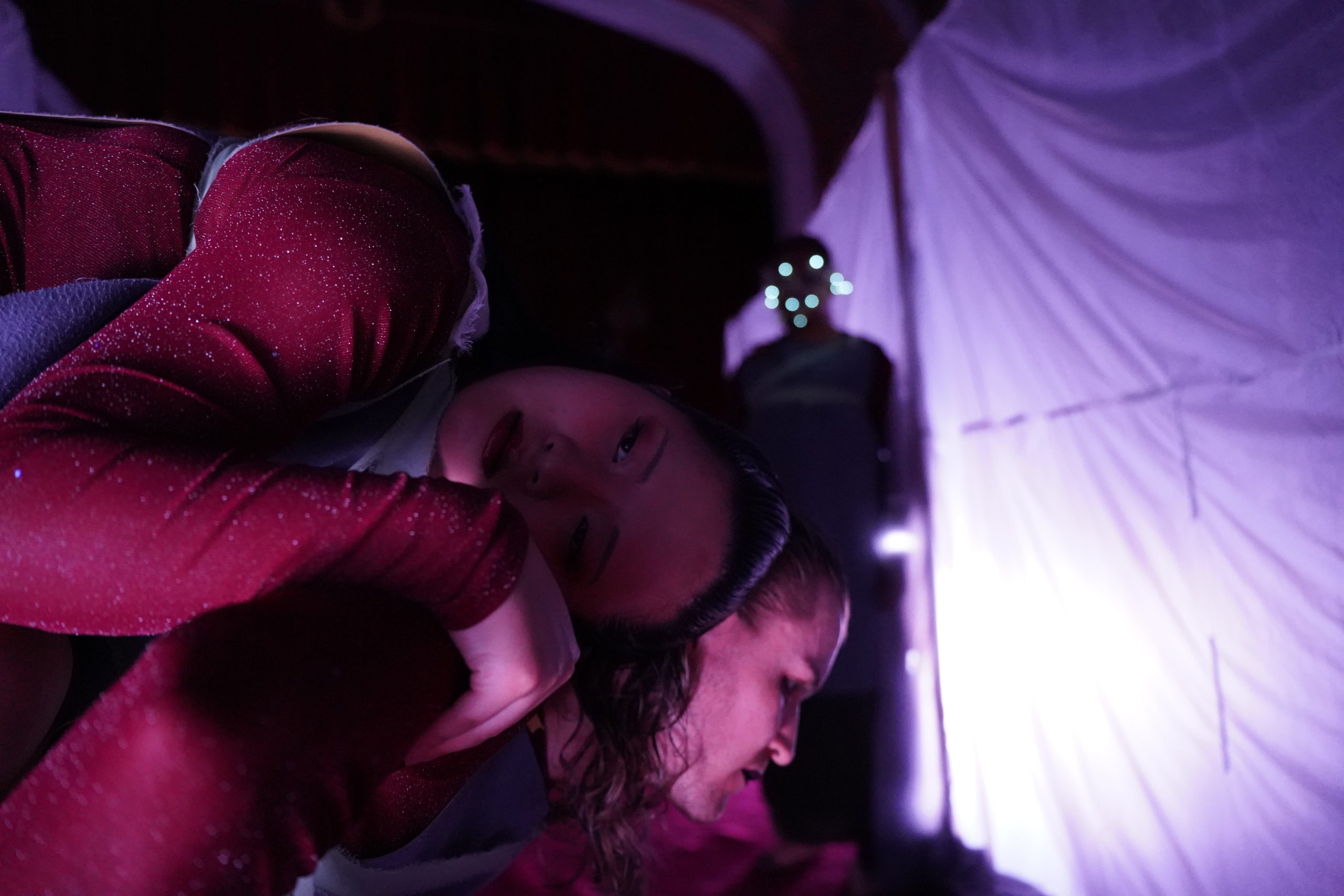
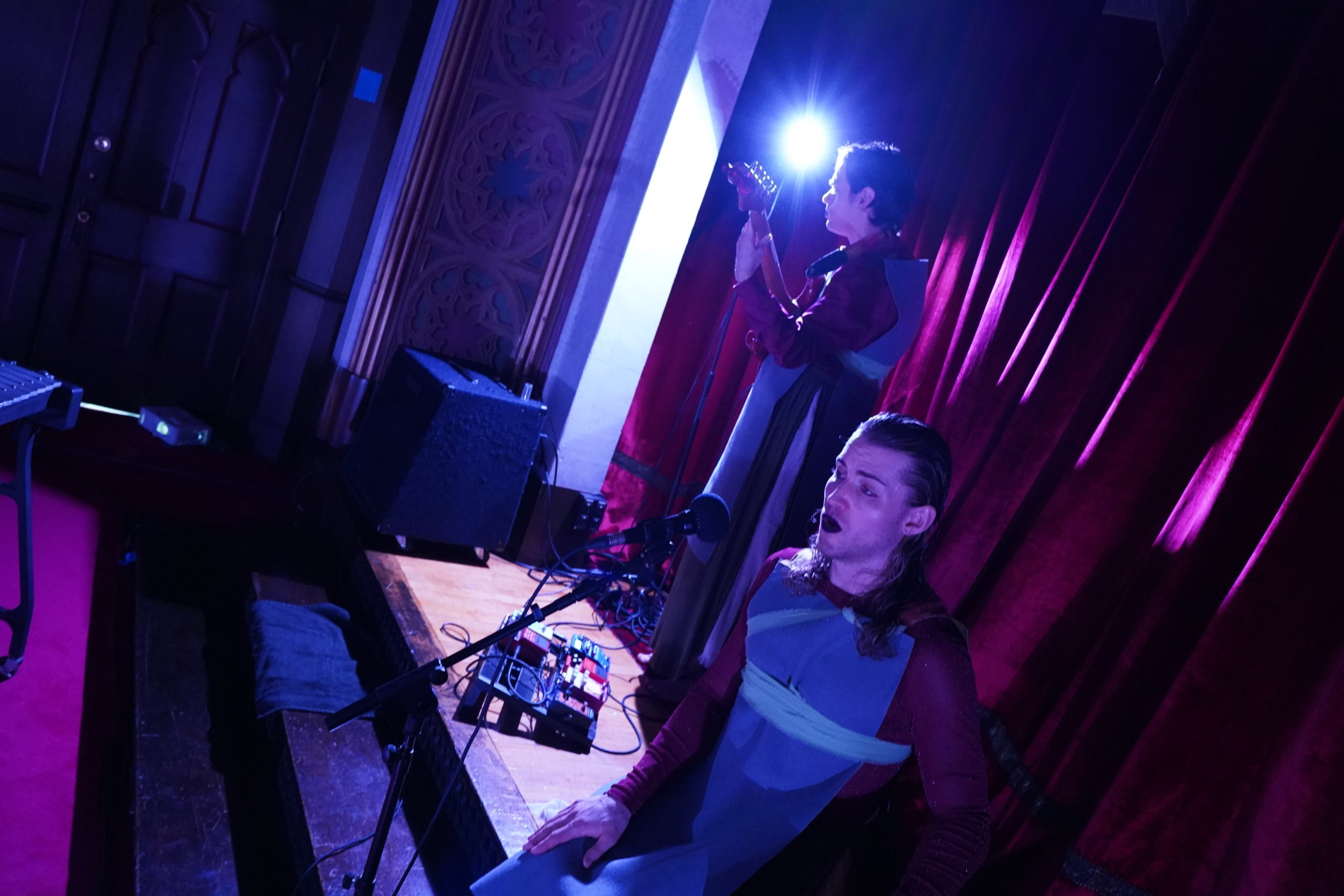
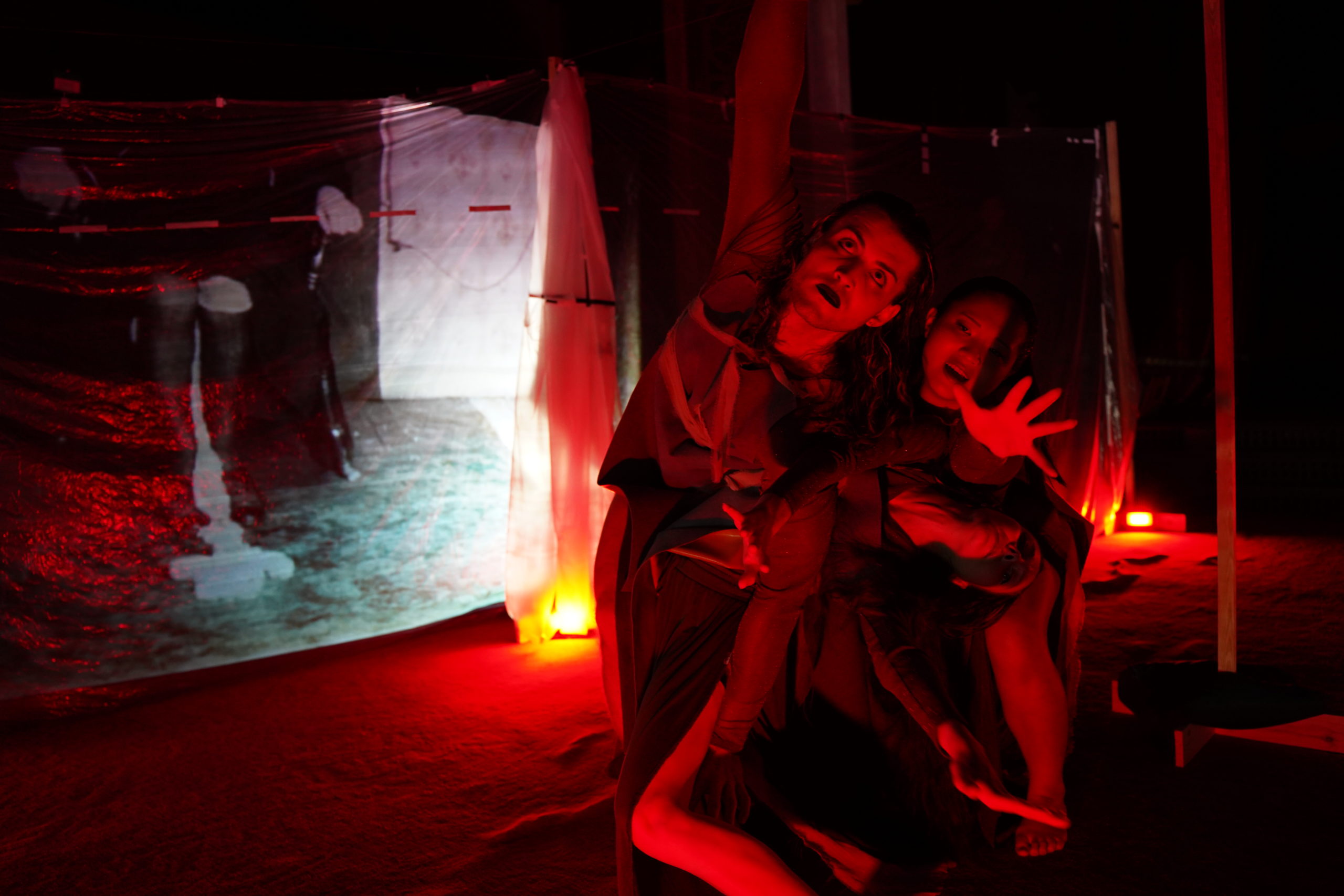
In their last round of graduate school, Cook brought to life an opera consisting of poets, dancers, singers, actors and “anti-artists.” Motivated by heavy loss and the ethereal collection of mentors, coaches and old friends, “And you ghosts rise blue” is a show meant to bring you into realms mostly unseen.
Cook is inspired by various avant-garde pioneer artists. Their philosophy consists of corporeal-centered dance, community-centered performance and anti-capitalist methodologies. The heart of this opera elevates Cook’s thought process through the use of their “master list.” This list includes everything Cook has used as inspiration: every person, artwork or show that has instilled itself as significant to their identity. The master list exists as a homing guide for Cook’s philosophy that art and people intimately coexist.
As the audience enters the space, they too are coaxed to zines introducing them to ghosts in the show. Via the zines, we are asked to remember our own ghosts, those past and present influences who compose our identities and relationship to the world.
The three-act opera serves as a journey from the disembodied to immersion in the rifts of our consciousness. Composed of three key figures, each act opens new doors to a deeper dimension: the key, the medium and the tragedy. Each of these acts focuses on different ghosts: past, current and those who have died but not passed through.
Jordan Reynosa, a deep collaborator of the work, describes the process as “a lot of juggling dance, text, set changes, costume changes, cues and blocking.” He has been involved since the beginning, when Cook was still in school. Reynosa wrote poetry and began his ghostly journey as a disembodied voice in the first iteration. He quickly graduated to becoming a muse and character in the opera.
After a rapid two rehearsals, one taking place at a tennis court, Reynosa side-quested to a theater conference for two weeks. In his free time, he rehearsed whatever he could in his dorm: blocking, poems, dancing (and hopefully summoning his own ghosts).
The day after returning from the conference, Reynosa performed the entire three-act opera. Juggling a main role, he hid in the ensemble until a section titled “Interstices.” He emerged from the ensemble as the Minotaur, singing libretto and speaking French, Spanish and English poetry. Additionally, he moved the set around and assisted with the view. Such is the life of an artist.
The purpose of this article is to add another ghost to this show. In the spirit of these experiences, digging out this information from Michigan over the phone can bring this show all the way to the Midwest. Even if only one person knows about it, the point of a rift is only to create an opening, not a pathway.
An iceberg show that only gets deeper with devotion, “And you ghosts rise blue” asks you to honor the unknown and the known. Philosophy in action must have stirred something in the rooms of the Masonic Temple. Without the existence of community, this show would not have been possible.
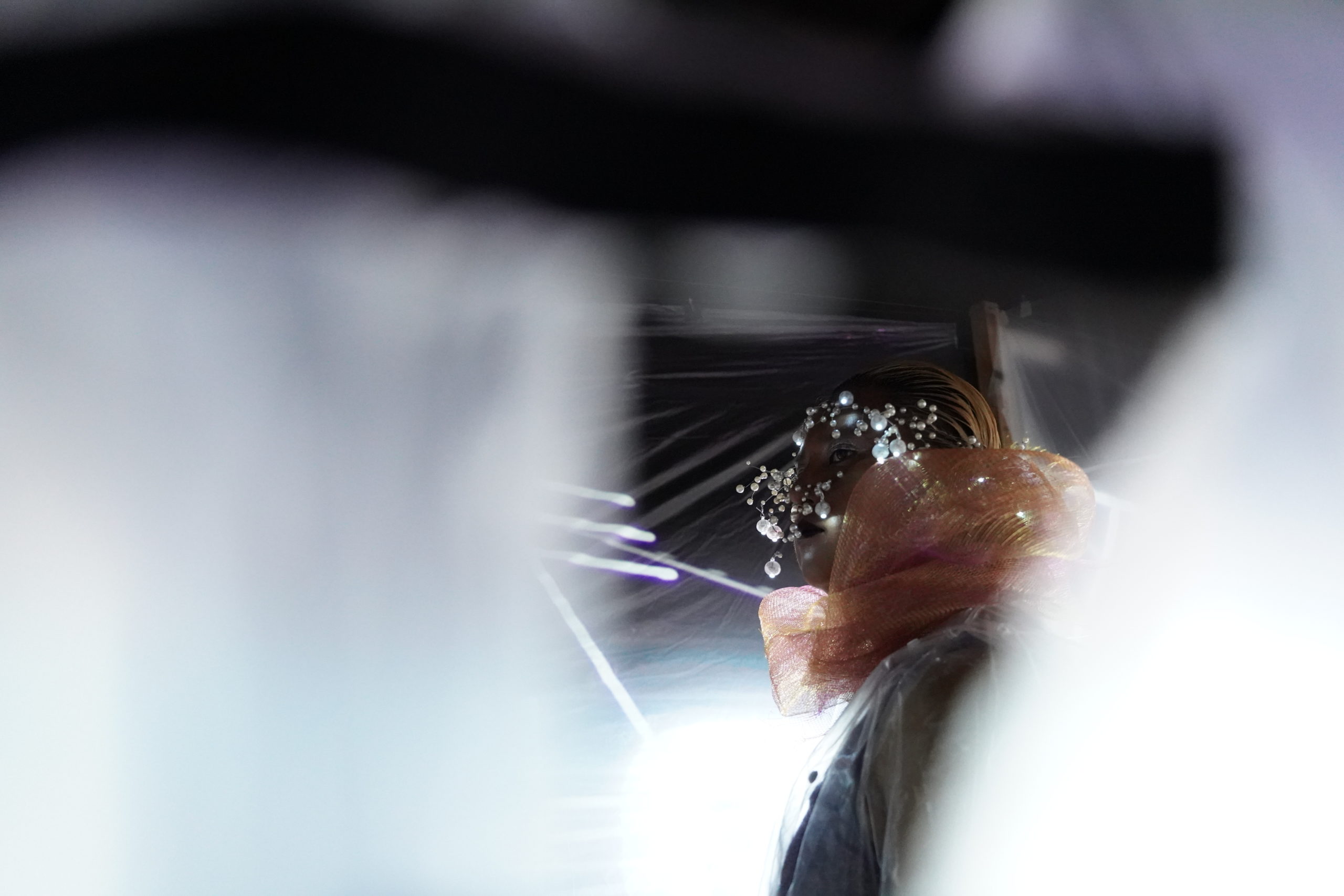
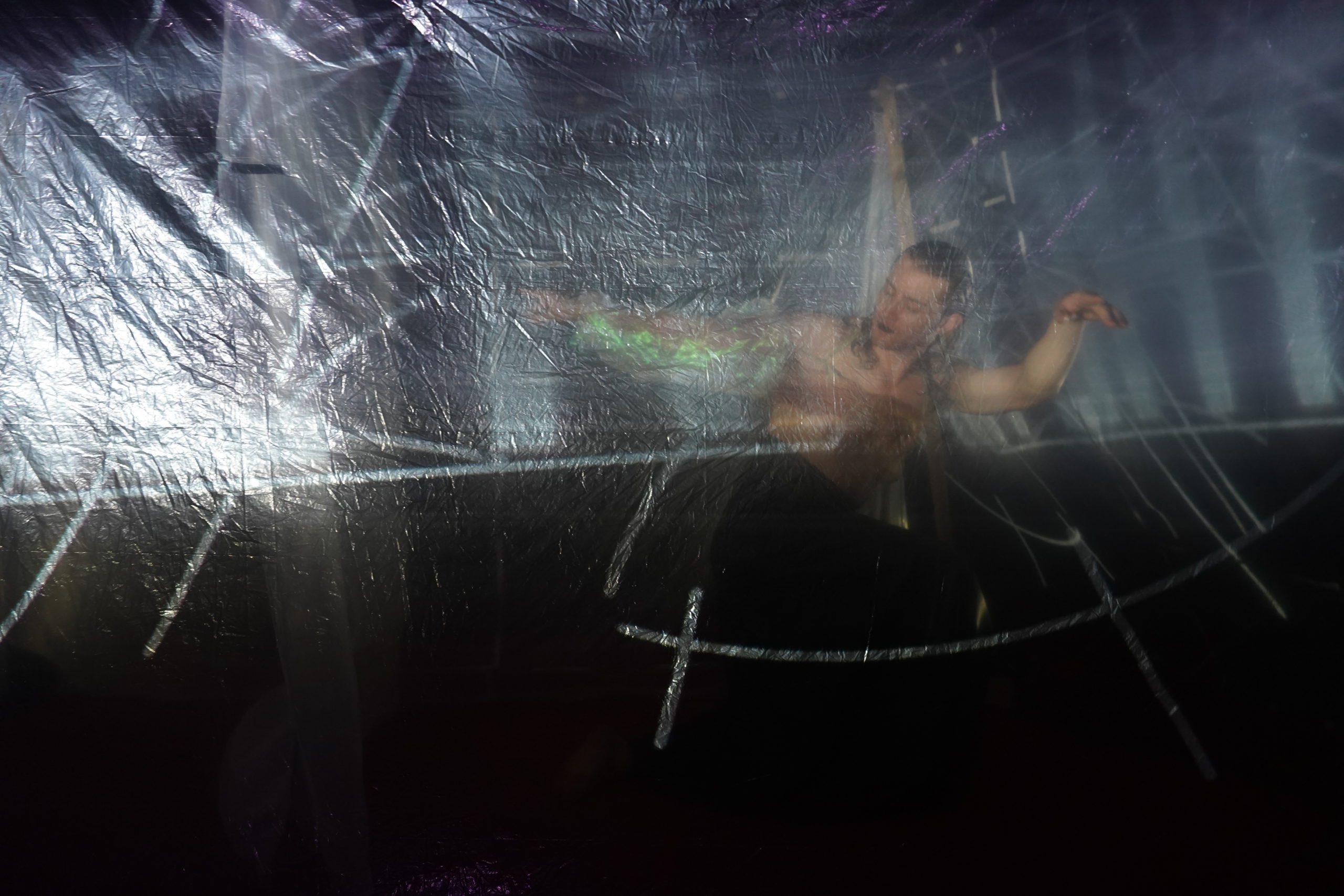
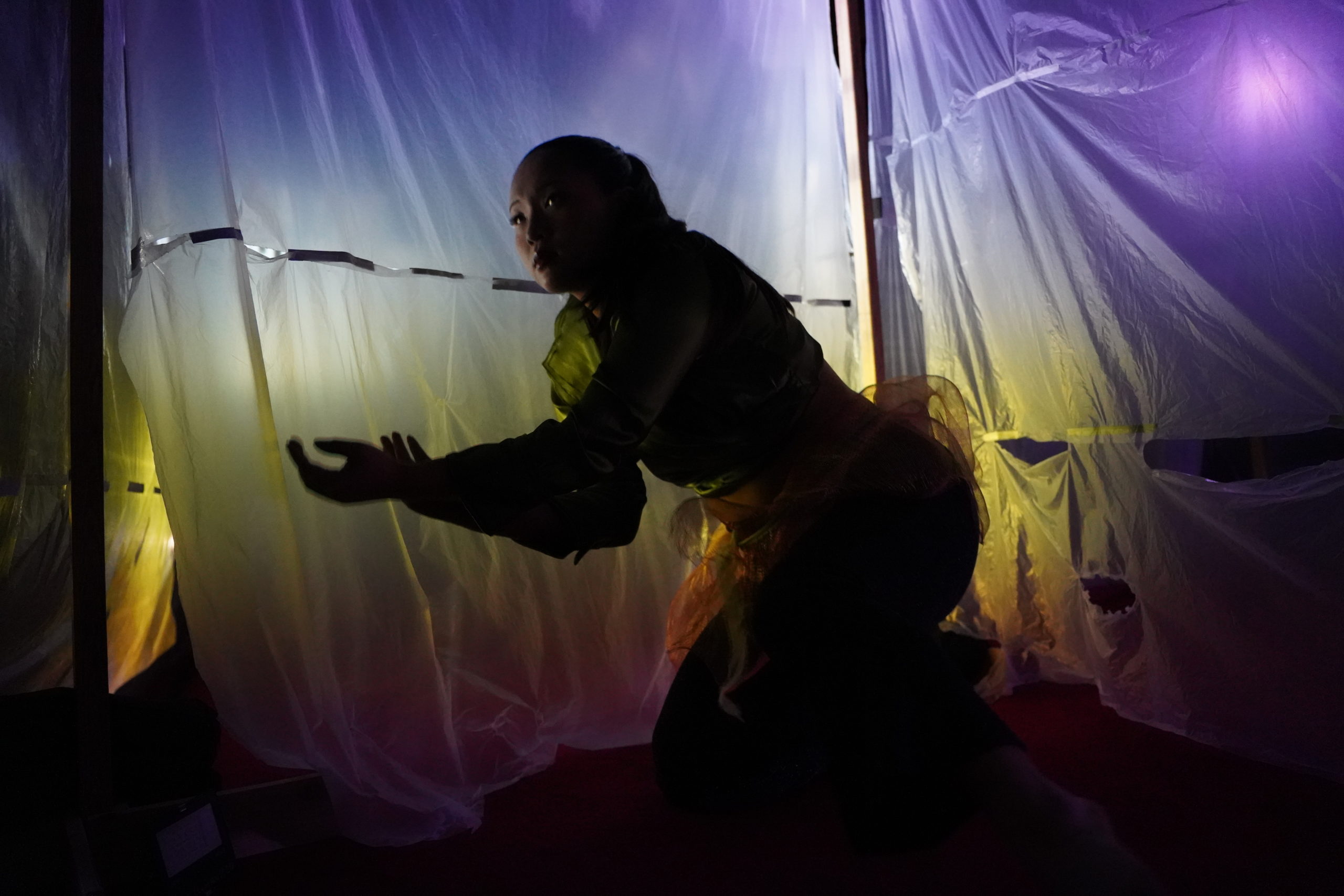
Photos by Indigo Cook:
Read about other performance art pieces:
A Valentine Like No Other: JadeXFusion’s Aerial & Pole Showcase
Communal Grief and Joy in Trying Times: Molly Heller’s Story of Curation
To help SLUG Magazine continue its support of local artists, consider joining our community of donors!
