
Materializing Hope and Expression at Material Gallery
Arts
Artist-run spaces often shape the cultural ecosystems they inhabit, creating room for experimentation, collaboration and access that larger institutions cannot always provide. In Salt Lake City, artists and co-directors Colour Maisch and Jorge Rojas have built that kind of space through the Material Gallery — a project grounded in their own creative practices and long-standing commitment to community engagement. By combining studio production with curatorial work, the pair have positioned their gallery as both an exhibition venue and a collaborative platform supporting artists across disciplines.
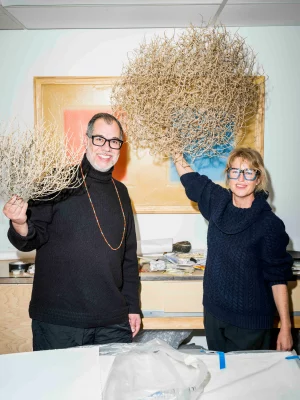
Maisch and Rojas have worked alongside one another for nearly 13 years, sharing studio space before establishing their gallery. After being priced out of a former space in the Granary District, they relocated to South Salt Lake and transformed an aging building into studios and a public exhibition site. As practicing artists, they approached the project with an understanding of structural gaps facing creatives. “Being artists, we had really clear ideas about how to work with other artists and how to support them in a really good way — what that would feel like for us,” Maisch says. “We know great people making great work, and we wanted to show that work.”
“Creating a space that feels welcoming, whether you know a lot about art history or not, was important. This is a place where people can come see great work and enjoy it.”
That philosophy shapes both the artists they represent and the environment they cultivate. Rojas emphasized the importance of creative identity, noting that developing a distinct visual language takes years of experience and experimentation. The gallery prioritizes artists whose work demonstrates strong direction and voice, while also centering cultural diversity within its programming — a curatorial approach that reflects their commitment to representation and visibility.
The gallery’s name itself reflects these values. Rooted in both the physical and poetic implications of materiality, the title points to shared artistic priorities while symbolizing creative possibility. Rojas described the concept as referring not only to physical mediums but to the idea of something generative. Maisch echoed this perspective through the gallery’s atmosphere, stressing accessibility over exclusivity. “Creating a space that feels welcoming, whether you know a lot about art history or not, was important,” she says. “This is a place where people can come see great work and enjoy it.”
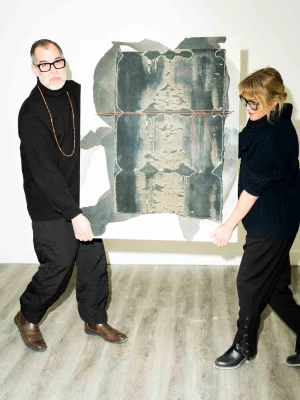
Collaboration has remained central to Material’s role within the regional arts landscape. Programming has included multidisciplinary presentations developed with community partners such as 801 Salon, where performance-driven projects expanded engagement beyond traditional exhibition formats, as well as partnerships with Torpor House hosting Broadsheet releases that support independent publishing and cross-media exchange. Their space has further served community advocacy through fundraising initiatives benefiting Utah Indigenous Fashion Week, reinforcing a commitment to redistributing visibility and resources across creative sectors. Their upcoming project Grief Work exemplifies this evolving model: developed alongside Molly Heller of Heartland Collective, the exhibition invites artists nationwide to explore grief as a collective experience rather than an individual event, generating nearly 200 submissions and incorporating performance-based programming alongside gallery presentation. Together, these partnerships position the gallery not simply as a venue, but as connective infrastructure within Salt Lake City’s artistic network.
“This is a place where people can come see great work and enjoy it.”
Maisch noted the constant balance between presenting meaningful work and maintaining financial sustainability, particularly given their decision to remain independent rather than nonprofit in order to avoid external censorship and retain curatorial autonomy. Yet financial considerations also inform their accessibility strategies. Rojas described encouraging artists to provide lower-cost works alongside institutional-level pieces, helping cultivate new collectors and broaden participation in the arts economy. “Part of our work is building a culture of collecting art,” he says, adding that the gallery’s success includes placing works in regional museums and public collections.
You can keep up with upcoming inspirations on Instagram @material_contemporary or visiting materialartgallery.com. The Grief Work exhibition takes place March 6 through April 10.
Read more about local artists changing the community:
Art in Experimental Places: Ben Bloch and Carol Sogard
Beto Conejo’s Road to Creating Utah Day of the Dead
