The Borderlands Conference: The Divide Where We Come Together
Activism, Outreach and Education
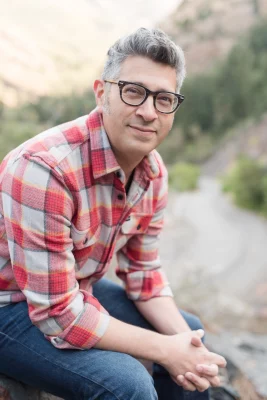
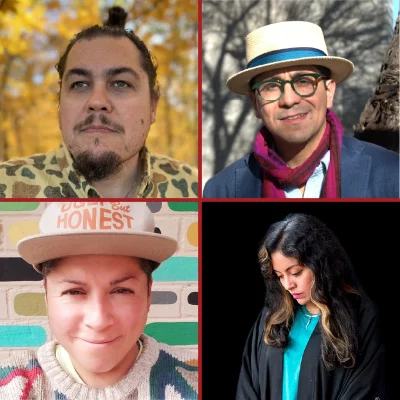
Literature is one of the great tools of humanity. It is a form of communication that reminds us that tragedy and beauty exist simultaneously. For novelist and University of Utah professor Michael Mejia, these stories bring healing to an unnatural divide. The Borderlands Conference celebrates Latino and Chicano stories by bringing together a diverse lineup of authors. This year will feature notable writers like Anthony Cody, Edgar Garcia, Raquel Gutierrez and Clyo Mendoza.
“[The border is a] place where there are unresolved violences, but a space that also has this great potential for healing and creativity.”
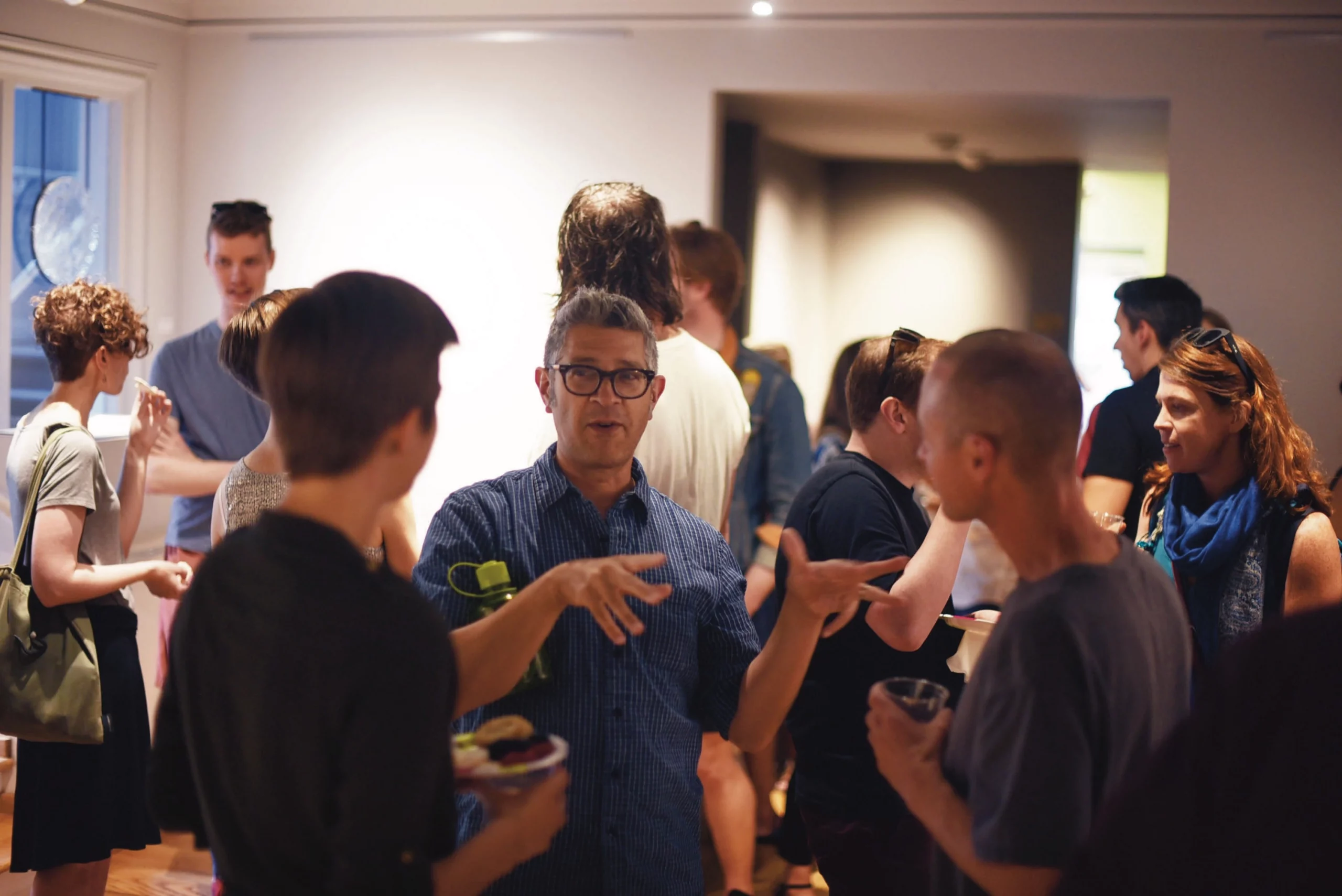
The idea for the Borderlands Conference came in 2016 when a reading was held as part of a national movement of writers speaking out against anti-immigration rhetoric. Mejia recounts how one of the readers at that event, poet Natalie Scenters-Zapico, explained how little is actually known about the border community, despite people voicing strong opinions regarding immigration. That comment inspired him to host the first Borderlands Conference at the University of Utah and invite Latino writers across the diaspora to share stories about their lived experiences as people from either side of the border. The intent was to inform people about the realities of the borderland community, through different perspectives and storytelling styles like fiction, non-fiction, poetry and more. Mejia says, “The focus of our conversations have been about the borderlands. Both the sort of traditional conflict and agitation that occurs at the border … the border as an open wound. The place where there are these sorts of unresolved violences, but that’s a space that also has this great potential for healing and creativity.”
“Latino stories are American stories, and if we want to value American stories then we should be valuing Latino stories.”
It is no question that with the current political climate stories like these are needed now more than ever. “I have no doubt that our attendees will have plenty to say about not just what this current administration has done to make immigrants’ lives harder and less safe, but thinking about ways that we as a community, both locally and nationally, can try to counter that,” Mejia says. Mejia explains that the conference allows perspectives from both sides of the border to hone in on not just political and societal issues but also the art made around the border. “It’s always been just a super fascinating conversation. There’s a very different perspective on Mexican lives in the US than there are in Mexico.”
For Mejia, the borderlands signify “a place of meeting — in which a variety of different ways of describing and thinking about the world and experience come together … the scholarly, the creative, the poet, the experimental, the more conventional.” He finds it important that people are able to engage in these conversations in ways that best illustrate their worldview and cultivate a culture of exchange — a back and forth of ideas, similar to the traveling between the border. “Just as it’s been an educational experience for me, I wanted it to be an educational experience for our audiences, for Salt Lake generally.”
“There’s a very different perspective on Mexican lives in the US than there are in Mexico.”
The main thing Mejia wants audiences to take away from the Borderlands Conference is that “Latino stories are American stories, and if we want to value American stories then we should be valuing Latino stories.” By giving Latino voices a platform to express themselves, the history and connections between North America and Latin America become more prominent and can inform people’s understanding of border culture and what it means to exist at the edge of an imaginary divide. The Borderlands Conference reminds us that the land we currently live on was once part of Mexico and that even before Mexico and the U.S. were nations they were just one large piece of land. The connection still exists despite the divide certain rhetoric would lead us to believe, and by understanding that we can find new ways to move forward.
The Borderlands Conference takes place March 19 and 20. The event will include readings from influential Latino writers such as and also a Q&A for both English and Spanish speakers.
Read more about the literary community in SLC:
The Art and Life of Alex Caldiero
Writing Through Waves: Utah Japantown Advocates Welcome Poet Sawako Nakayasu
