Film Review: The Samurai and the Prisoner
Film
The Samurai and the Prisoner
Director: Kiyoshi Kurosawa
Shochiku Film Studio, TBS Pictures
In Theaters 08.07.2026
Name recognition can be a double-edged sword. When that name is Kurosawa, and you’re making a samurai film, expectations are sky-high. While The Samurai and the Prisoner comes not from legendary filmmaker Akira Kurosawa, but from the unrelated psychological horror master Kiyoshi Kurosawa, it carries the weight of two very different legacies in a film that has a lot to say about how reputation and expectations can become their own kind of prison.
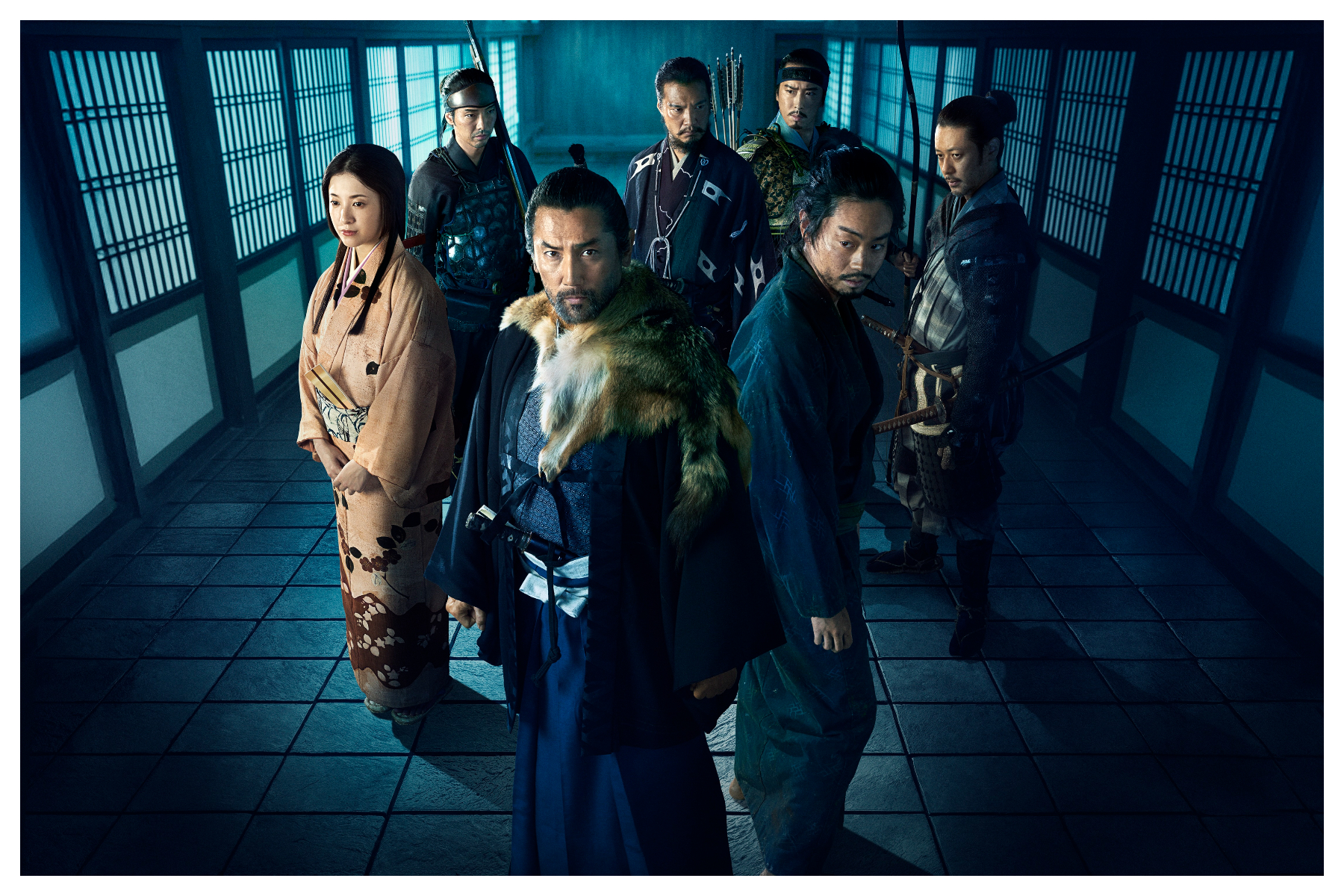
The Samurai and The Prisoner, adapted from the historical novel by Honobu Yonezawa, takes place in 1578 in feudal Japan, and begins with strategist Kuroda Kanbei (Masaki Suda, Wilderness, The Boy and the Heron) being sent by warlord Oda Nobunaga to persuade rebel lord Araki Murashige (Masahiro Motoki, Departures, Touch) to surrender. Instead, Murashige imprisons Kanbei inside Arioka Castle, where tensions escalate as the fortress faces an impending siege. When a mysterious murder occurs within the castle walls, Murashige turns to his captive for help uncovering the truth. Despite being in a cell, Kanbei becomes a trusted advisor and the only person with whom Murashige can really speak freely, and a bond of mutual respect forms. More murders occur, and as suspicion spreads among the castle’s inhabitants, Murashige tries to solve these crimes and struggles to maintain control over his rebellion.
Those expecting an action-packed epic because the word Samurai is in the title may be disappointed; while we do get a couple of small sequences on the battlefield, it’s simply not that kind of movie. Instead, The Samurai and the Prisoner unfolds as a patient, morally complex mystery, blending the intrigue of a whodunit in the vein of Agatha Christie with a richly layered study of human nature and ambition. The film is broken up into four acts, with a different mystery to be solved in each season of the year. The obvious comparison to The Silence of the Lambs (1991) — as the protagonist returns again and again to an imprisoned man for advice — is inescapable, and there’s certainly an element of the Clarice Starling and Hannibal Lecter dynamic. The difference is that where Jonathan Demme’s Oscar-winning film was a cheap, bloodthirsty, lurid exploitation piece masquerading as a drama, Kurosawa’s film is an intellectual meditation on justice, leadership and compassion. The subtle, measured direction builds quiet, sustained tension through atmosphere and character rather than action or gore, rewarding viewers willing to immerse themselves in its intricate political and ethical dilemmas. While its deliberate pacing and dense plotting may prove challenging for those seeking a more conventional period epic, the film’s emotional resonance and intellectual ambition make it one of the most compelling and deeply satisfying achievements of the summer movie season.
Motoki delivers a quietly commanding performance, gradually revealing the man beneath the title as the film peels away the layers of a character who initially presents himself as a distant, impenetrable leader. Rather than announcing his humanity, Motoki allows it to emerge in subtle gestures and carefully guarded moments, slowly lowering the walls his character has built around himself. Opposite him, Suda brings a restrained intensity, portraying a figure defined by both dignity and sharp intellect, with a presence that suggests a mind constantly at work and weighing every possibility.
The Samurai and the Prisoner requires patience and focus from both its audience and its characters — and if you shudder at the thought of nearly two and a half hours of deliberate pacing and subtitles, this film may not be for you. If you’re prepared to slow down and invest in the story and themes, you’re in for a treat, as this elegantly crafted and thoughtful mystery provides a marvelously thoughtful alternative to summer spectacle. —Patrick Gibbs
Read more film reviews by Patrick Gibbs:
Film Review: Tony
Film Review: Motor City
Enjoying SLUG’s coverage of films? Consider joining our community of donors!
