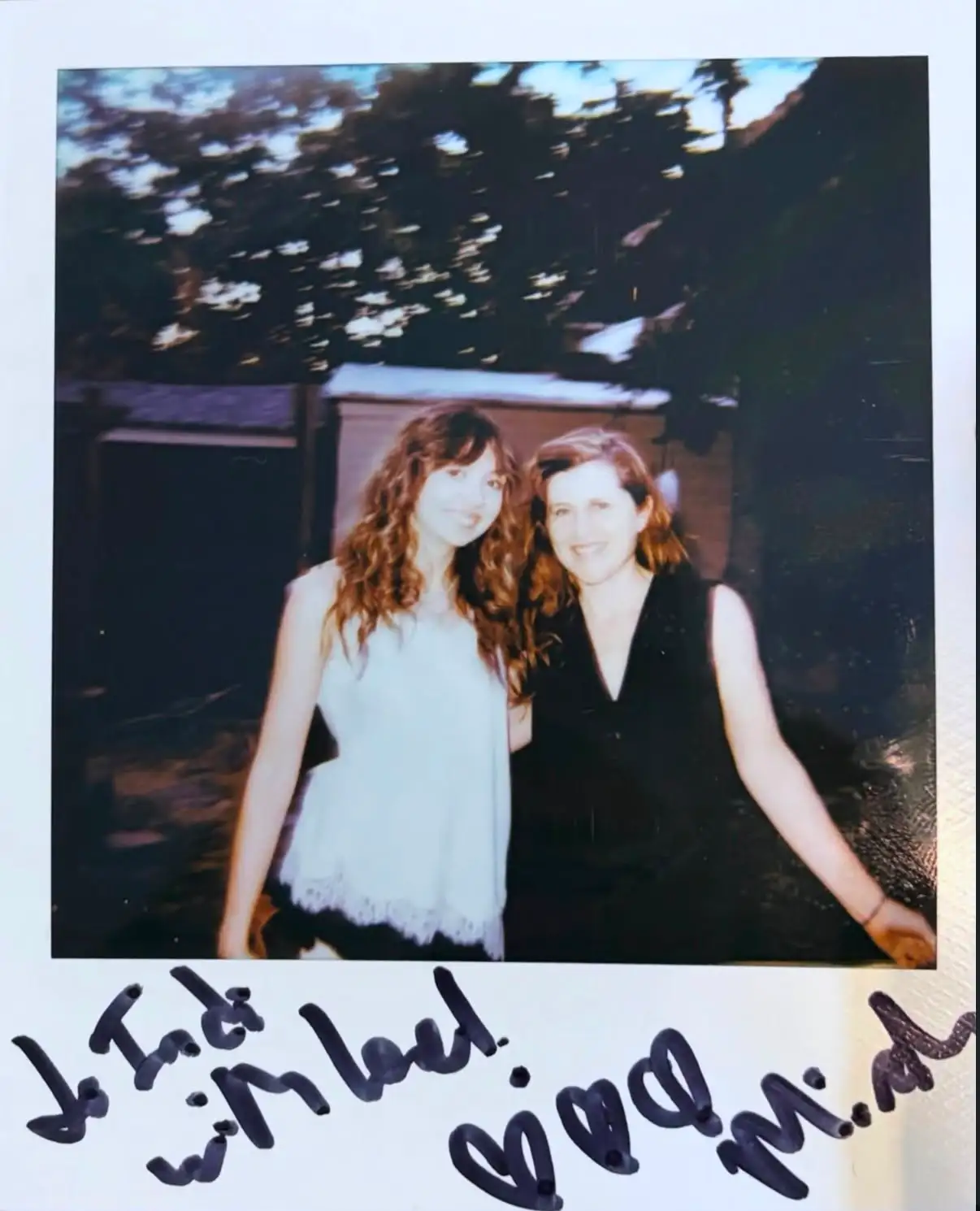
The Art of Dedication: A Conversation with Mirah
Interviews
There is something particularly intimate about talking to Mirah. I felt it before we ever sat down for our interview, when I saw her perform during the Salt Lake City stop of her private house show tour. Instead of traditional venues, local fans open their homes, transforming living rooms into concert spaces. In Salt Lake, that meant a beautiful historic home in Sugar House, a fitting setting for an artist whose music has always invited listeners into her inner world.
In January of 2026, Mirah returned with Dedication, her first full-length album in eight years. Released alongside reissues of C’mon Miracle and Advisory Committee, the album feels less like a comeback than another chapter in an ongoing conversation she’s been having with us for decades.
“The real answer there is just that it’s not like I’ve grown up,” she says. “It’s just that I have continued to… grow up and experience life to the fullest. We’re all the same people, starting from when we’re tiny babies… but as you experience life, your expressions change.”
Music was always part of those expressions. Mirah grew up singing with her family and credits years of listening with teaching her how to write songs. “I think that’s how I learned songwriting,” she says. “I listened to so much music. And that’s how I learned singing. My whole family sang.”
That relationship with music followed her to Olympia, where she found inspiration in the city’s creative community while never feeling entirely defined by it. “I was both influenced by it and didn’t feel like I was very specifically a part of it,” she says. “I wasn’t a riot girl. I remained the dork that I always was.”
Looking back on her earliest records, Mirah remembers making them without imagining they would still resonate decades later. “I wasn’t thinking 25 years from now, people are still gonna be loving this record,” she says. Instead of distancing herself from that younger version of herself, she’s learned to embrace what those albums captured. “I really appreciate my younger self… It’s a pure record for me as well of this captured emotional state and moment in time.”
While her songwriting process still begins with quiet, space and a guitar, her confidence has changed. “Maybe there’s a way that I’ve learned to trust myself more as a songwriter,” she says. “I think I’ve gotten more comfortable with confidence in myself as a songwriter.”
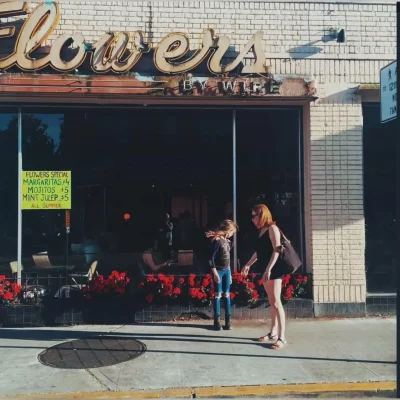
That confidence extends to embracing music as a career, something she once hesitated to call it. “It took me 10 years to even use the word ‘career,'” she says. “It was really presumptuous.” Today, her assessment is refreshingly direct: “I feel like I’m a good songwriter.”
The eight years between Understanding and Dedication weren’t a deliberate absence from music. Life had simply demanded her attention elsewhere. Mirah became a parent, lost her father and navigated the uncertainty of the pandemic. “I didn’t miss a thing,” she says of raising her child. “I didn’t miss a single thing.”
Even so, those years were emotionally complex. “It was this beautiful, love-filled time, and it was like there was someone twisting apart my insides because it was so stressful.”
The experience left her more willing to write without reservation. “I feel more honest now,” she says. “More willing and capable. I’m not gonna hold back. There aren’t any secrets. I’m not being coy.”
Asked what connects the artist who released music 20 years ago with the one releasing Dedication today, Mirah doesn’t point to a style or philosophy. “I actually think the thread is a sort of stubborn but wonderful refusal to do anything else.”
For Mirah, making music has never been about practicality or following expectations. It’s about continuing to create because that’s simply who she is. “Why should we let the expectations of the world or capitalism push us around like that?” Then, with a laugh, she leaves behind the perfect final thought: “Fuck it.”
Read other artist interviews by Indi Tejeda:
The Alchemy of Healing: Logan James Hope on Growth and Moving Forward
Interviewing the Interviewer: What Honeybee Reviews Has To Say About SLC’s Music Scene
To help SLUG continue its coverage of underground events, consider joining our community of donors!
