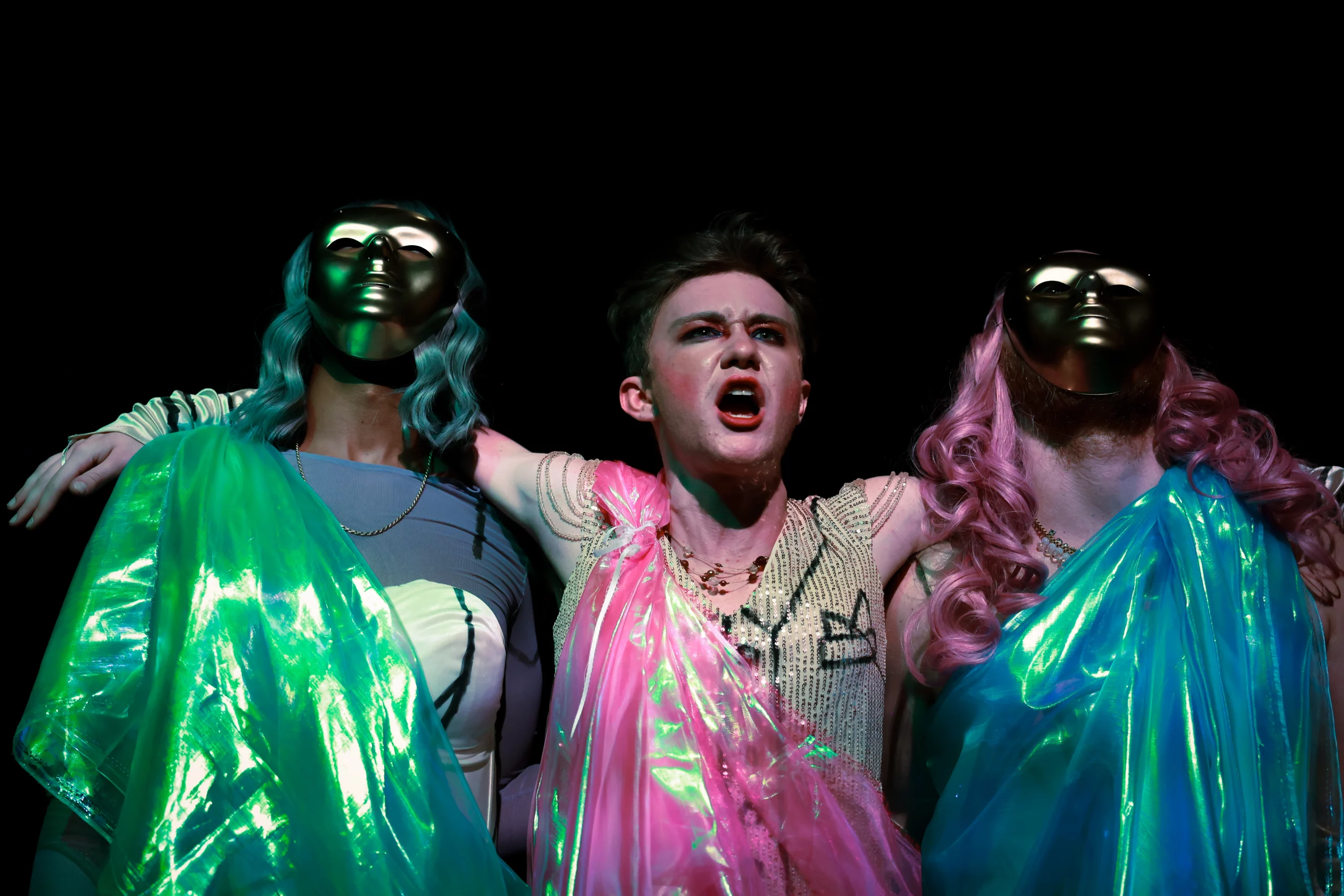
The Death of Nero: Proudly and Loudly Queer
Art
Nero was a dude who was hanging out in the double-digit years of humanity. He stumbled his way into power at the age of 16. Emperor of Rome! Quite the title, that one! Nero is regarded as Rome’s cruelest emperor. That’s impressive given the steep competition. As Nero built up the nerve to die, he paced and muttered to himself, “What an artist the world is losing.” You gotta wonder how many great, unseen artists were incapable of proclaiming such a thing through their lives.
The Death of Nero was a play written by Mikhali Kuzamin in 1928. He would die less than ten years later of pneumonia. The play follows the rise and decline of that Nero guy, as well as an autobiographer in the 1910s who’s being told his play about that Nero guy is a waste.
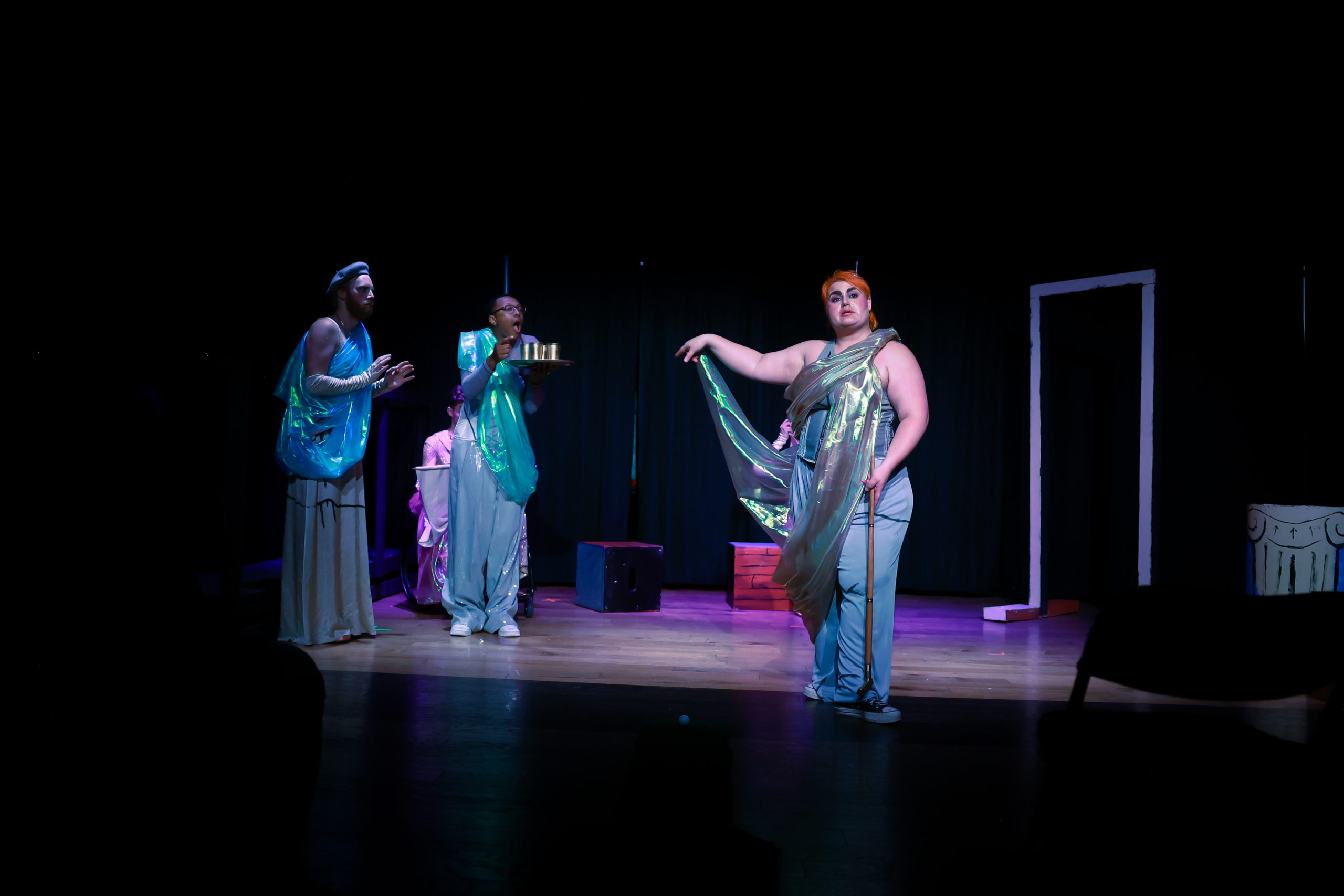
The Death of Nero wasn’t released until the 70s and has never seen a stage adaptation. It was brought to the Three Penny Theater by Keenan Shionalyn and directed by Syd Peronnet, both Utah locals with a healthy obsession with Kuzmin’s work.
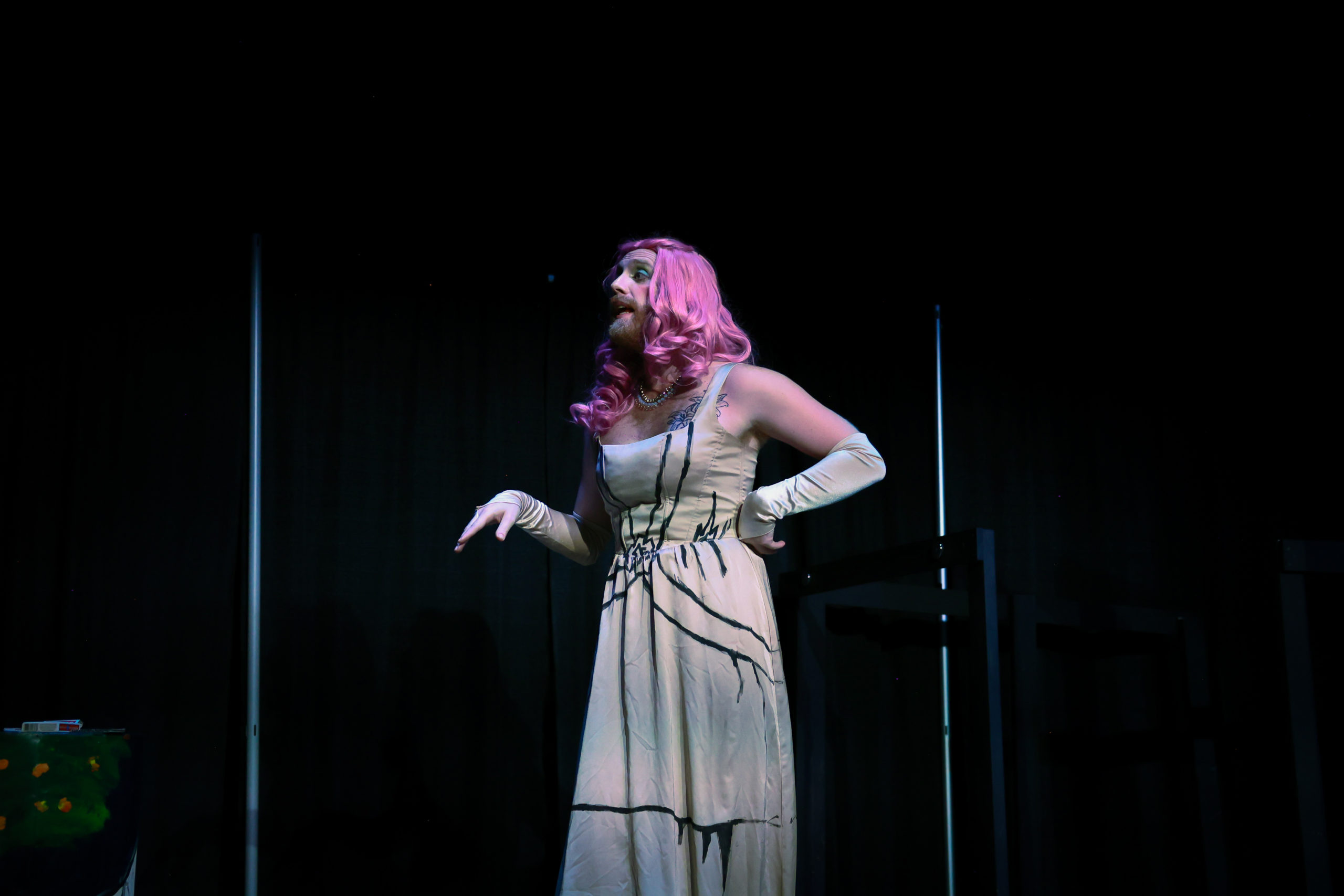
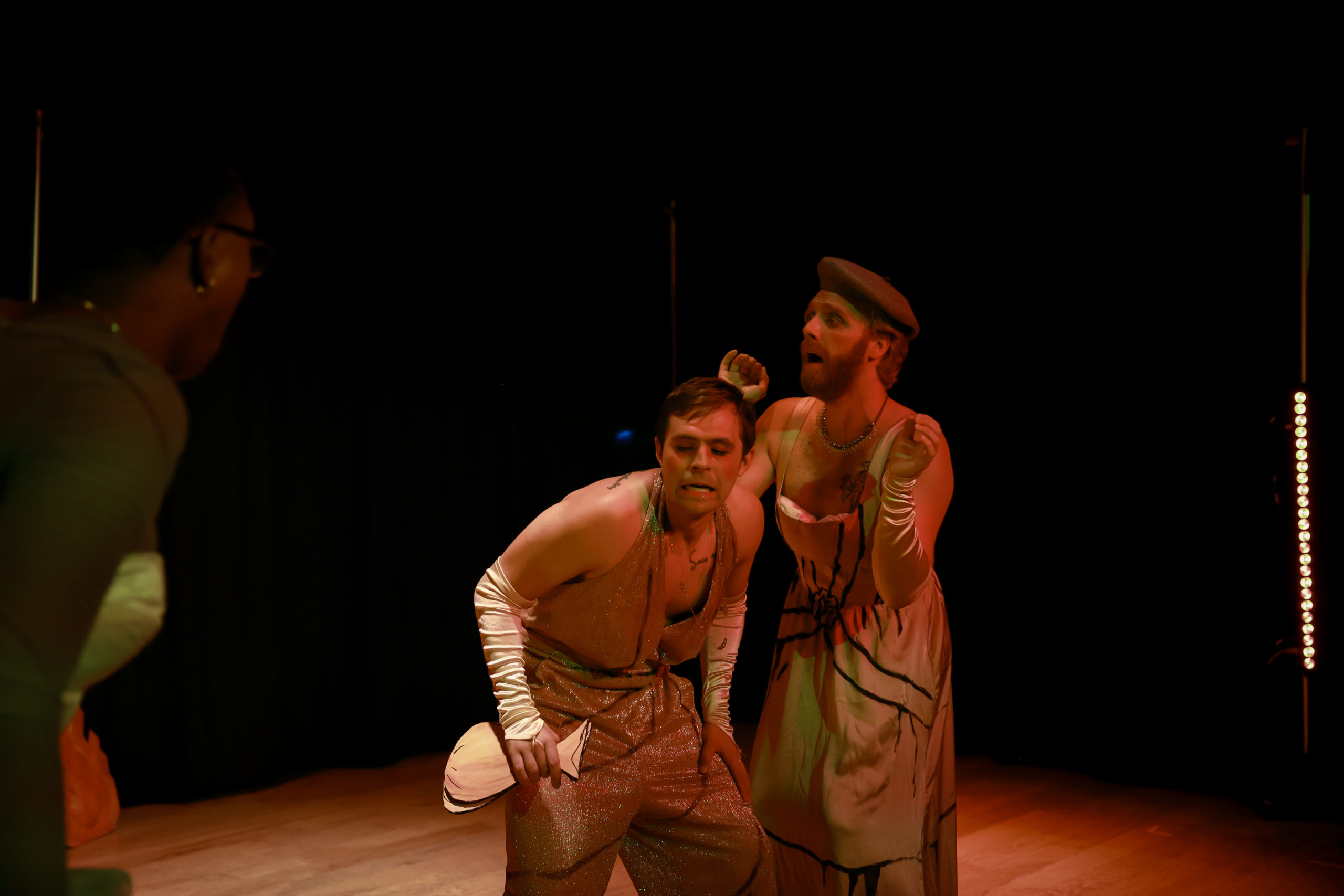
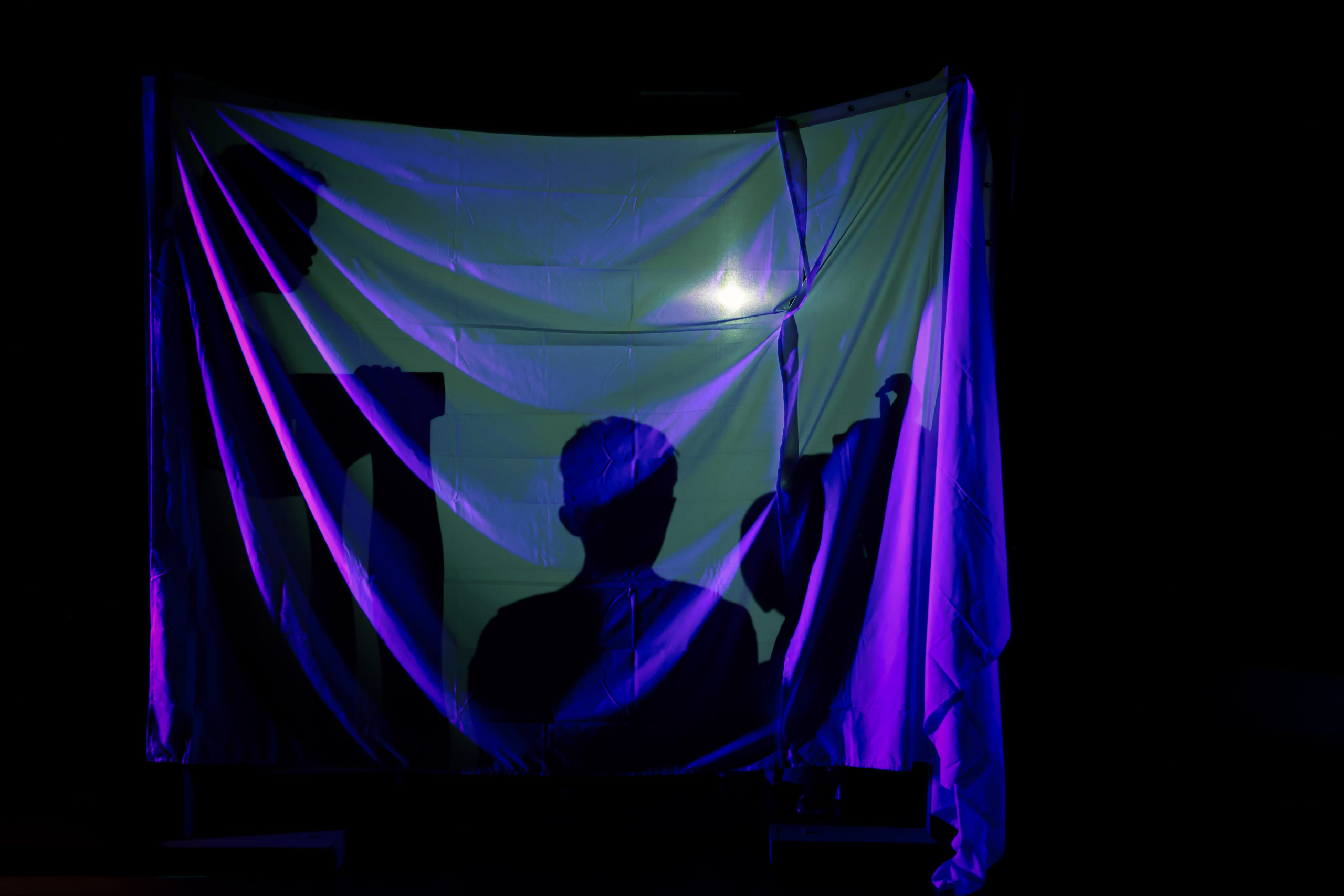
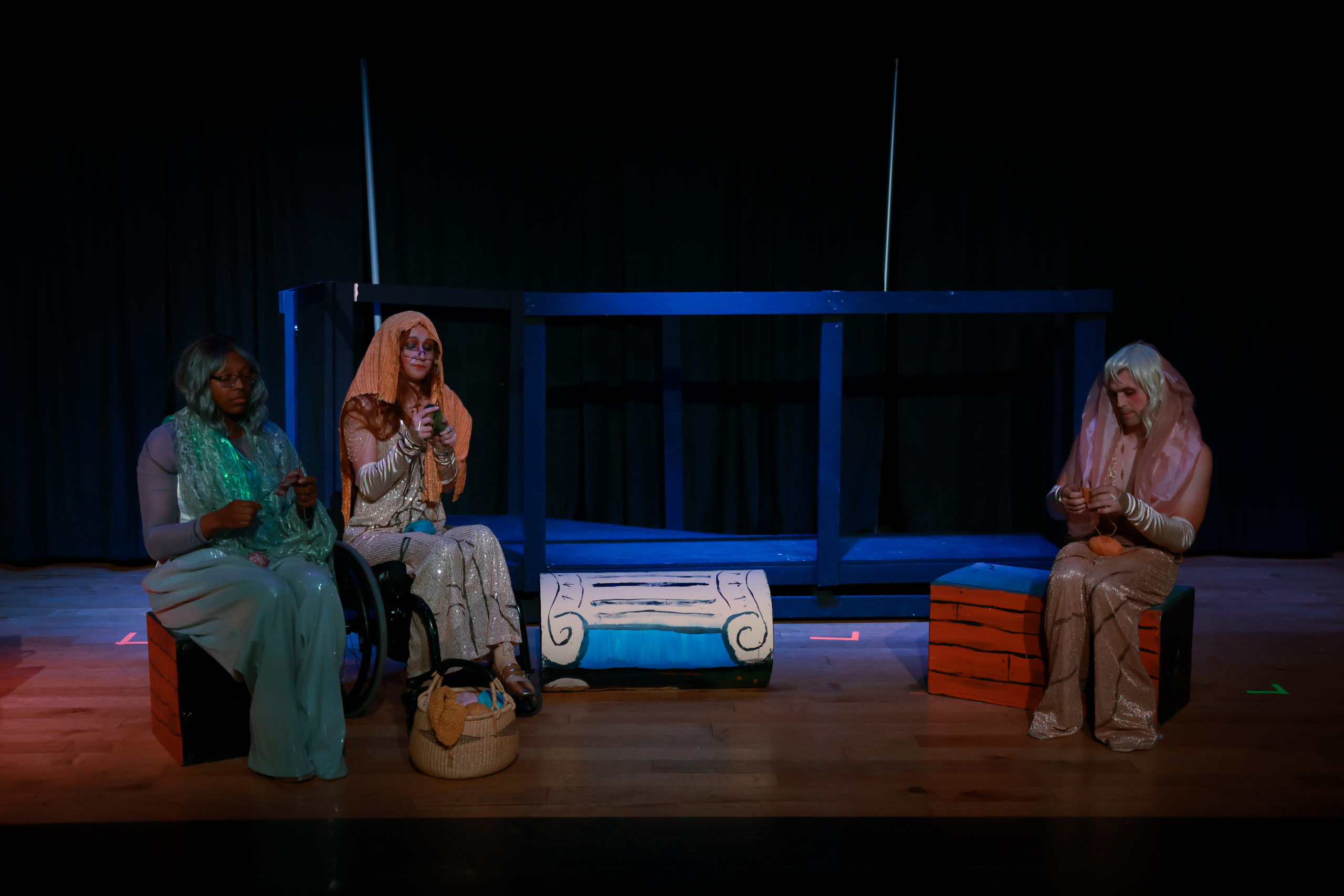
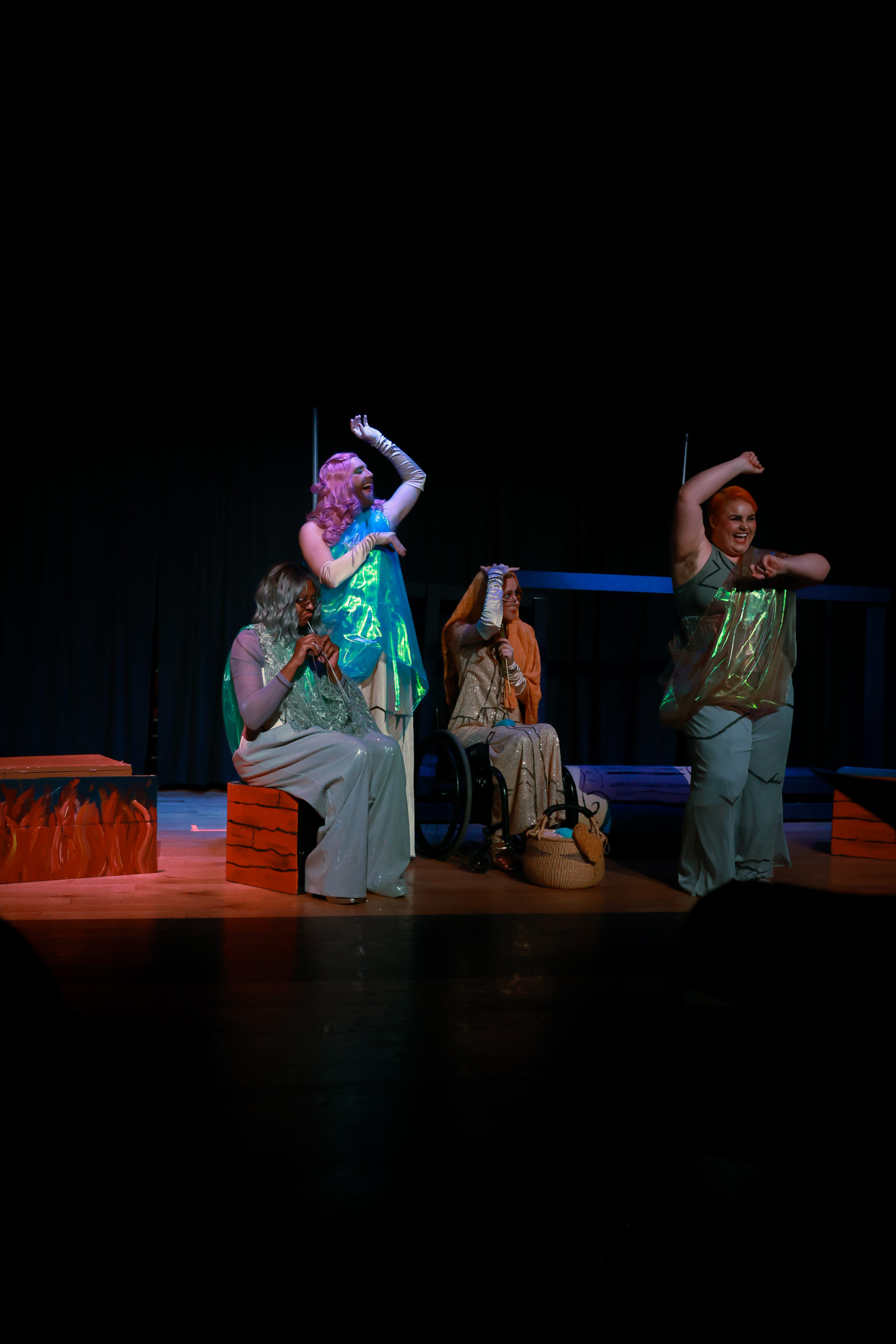
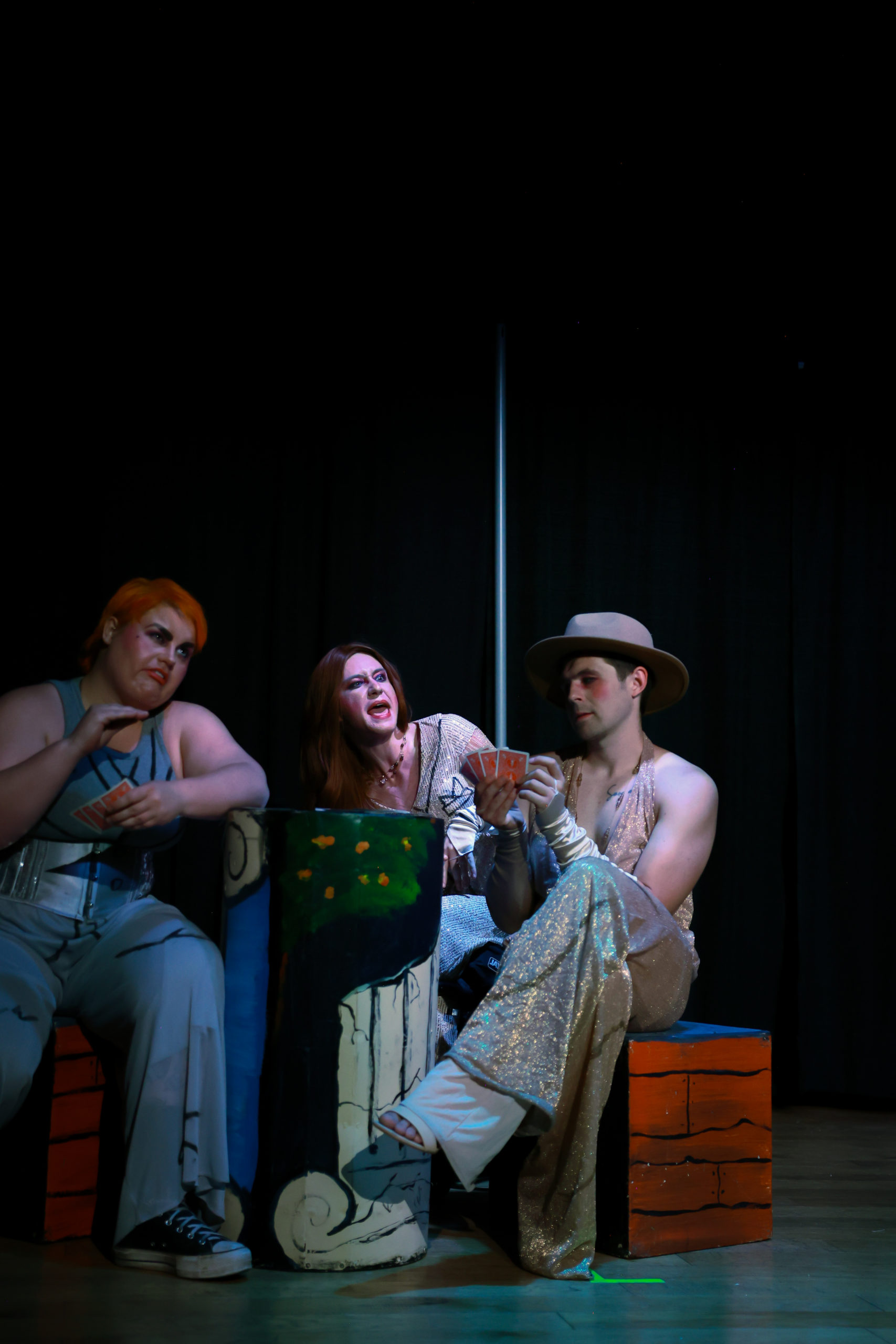
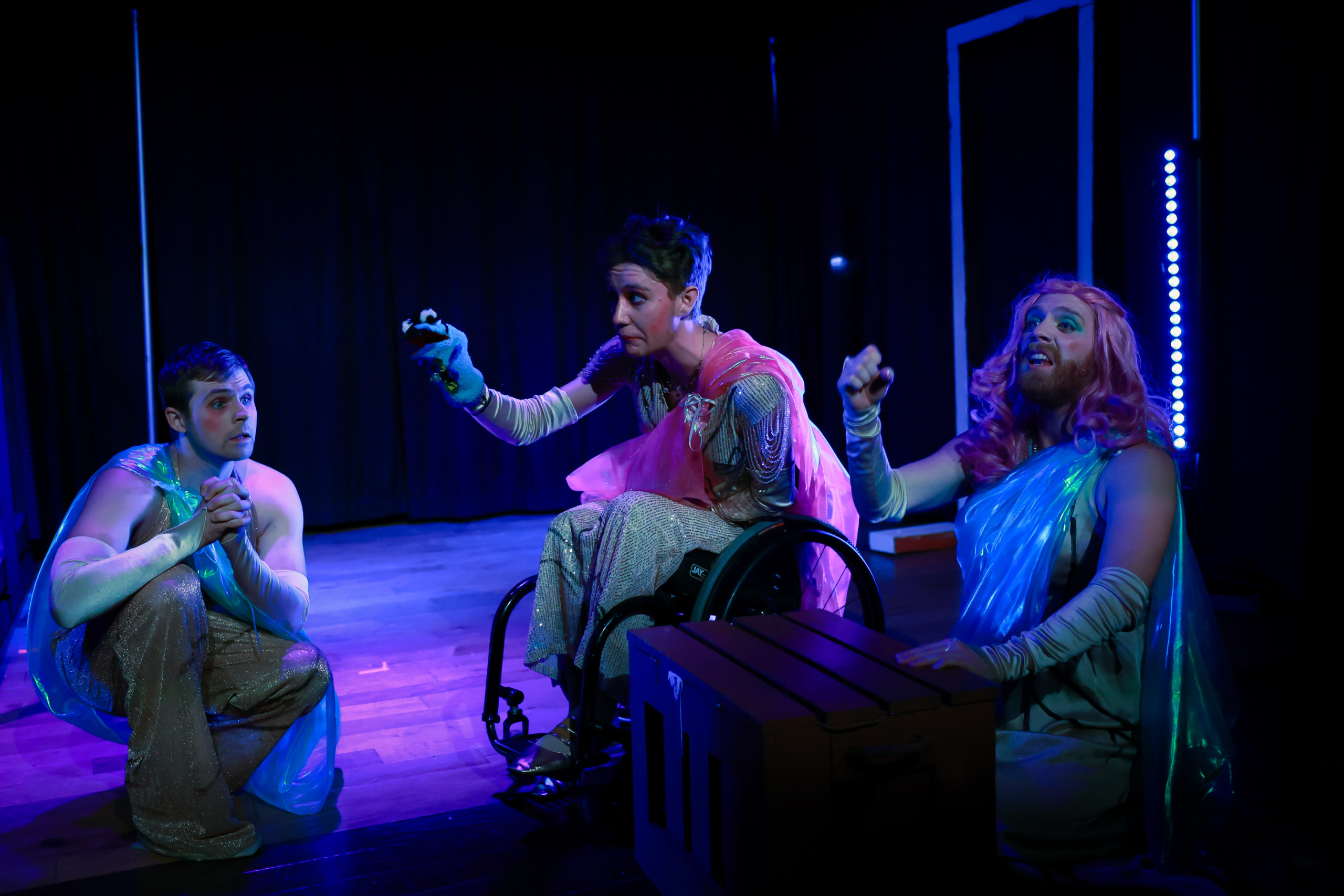
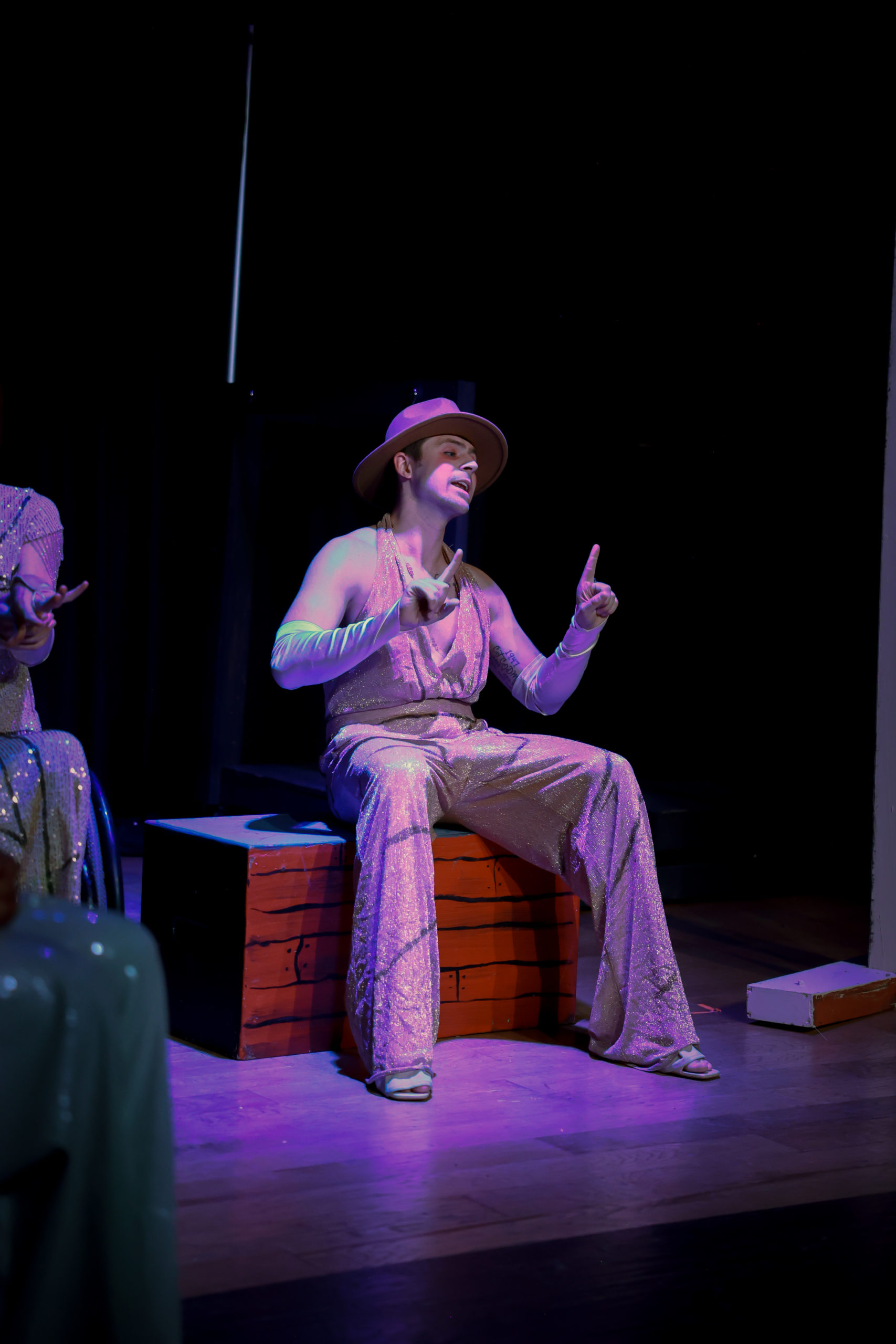
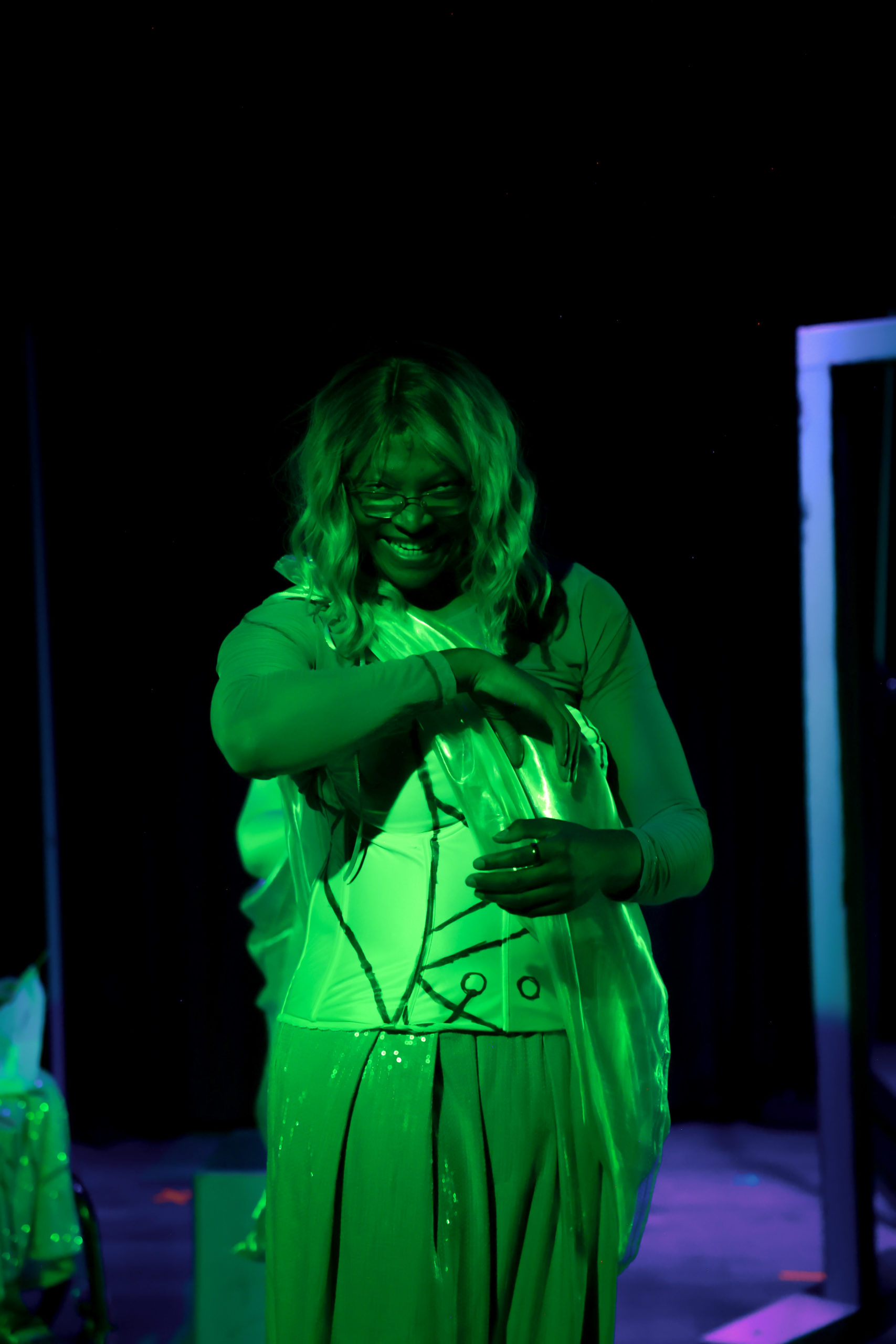
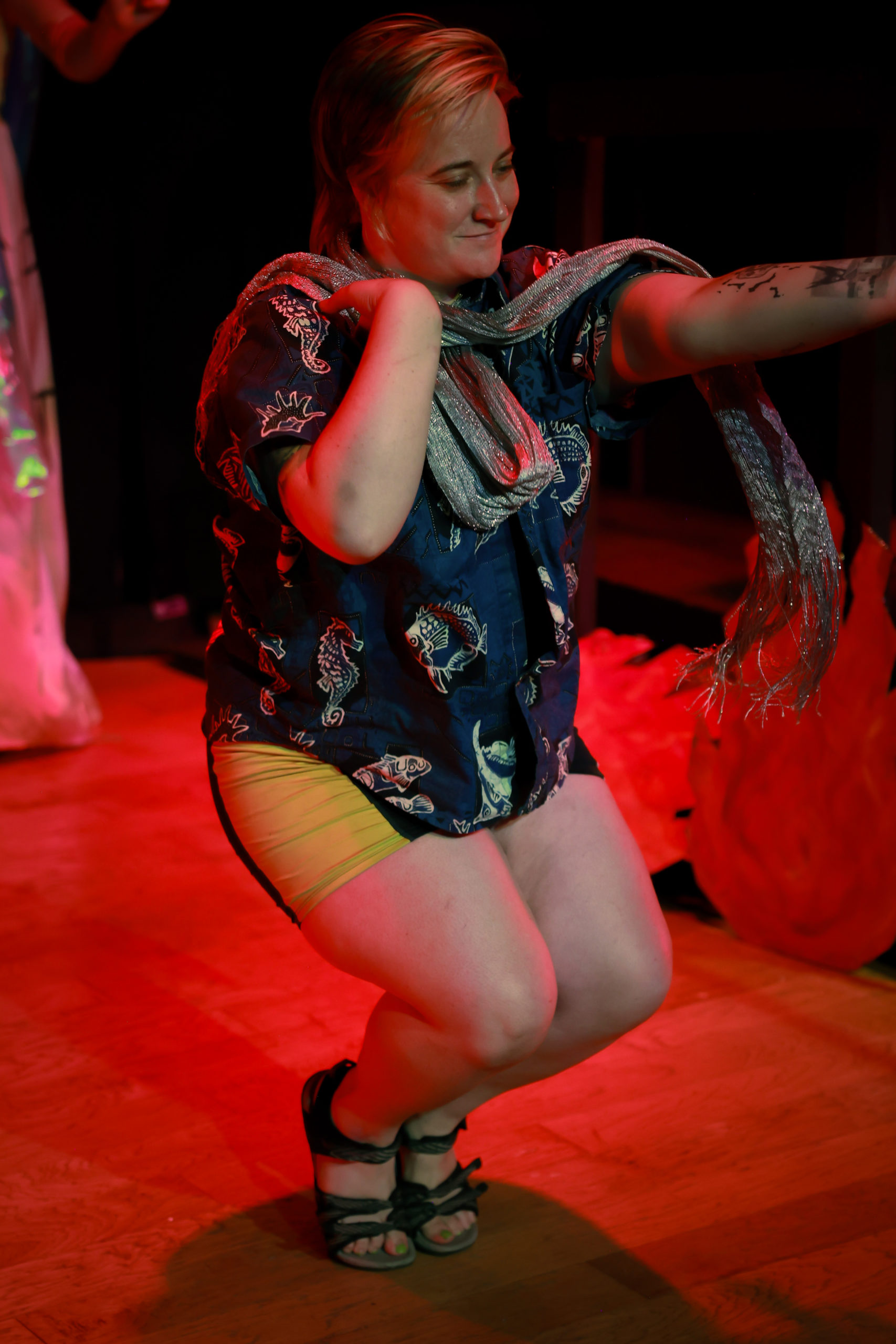
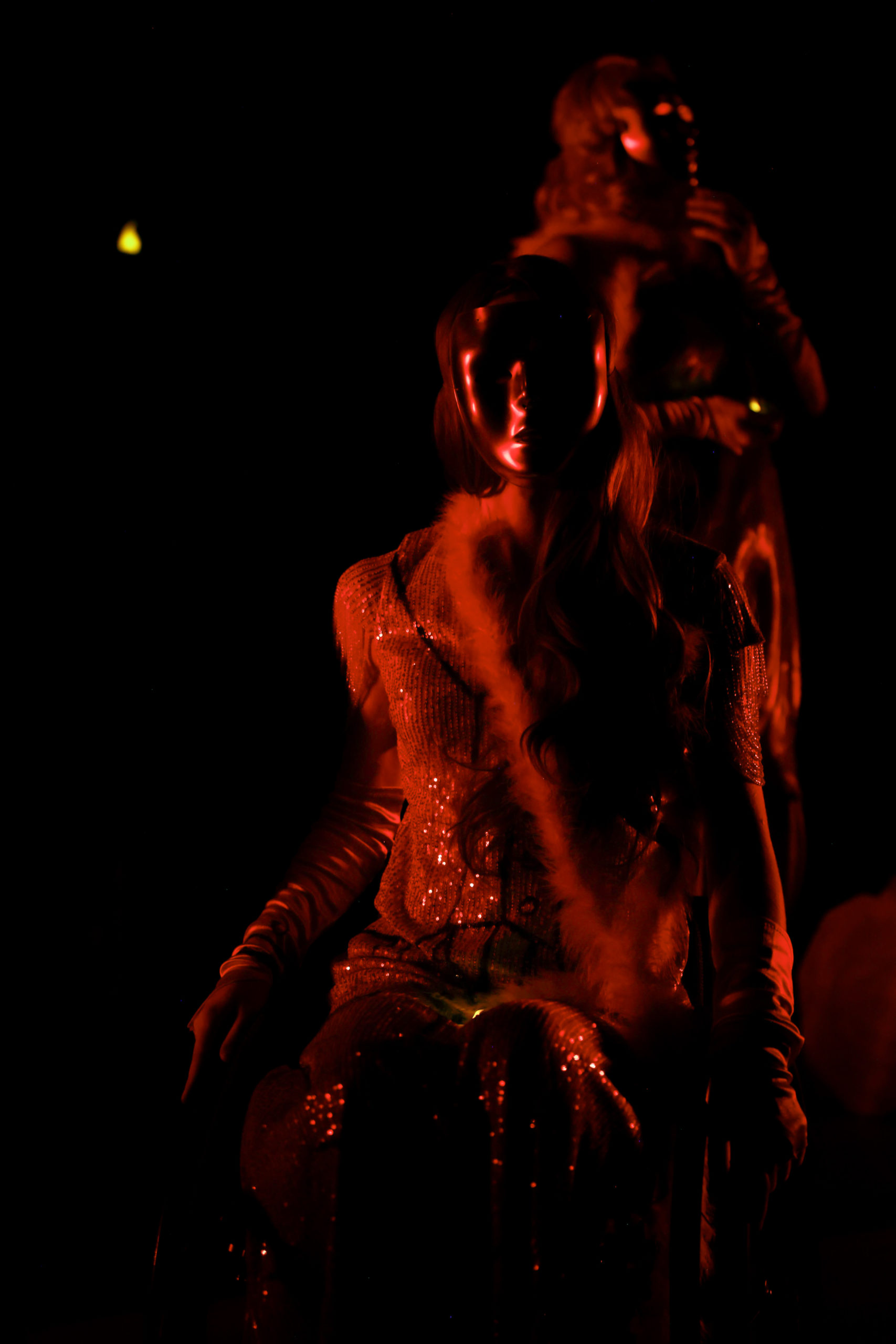
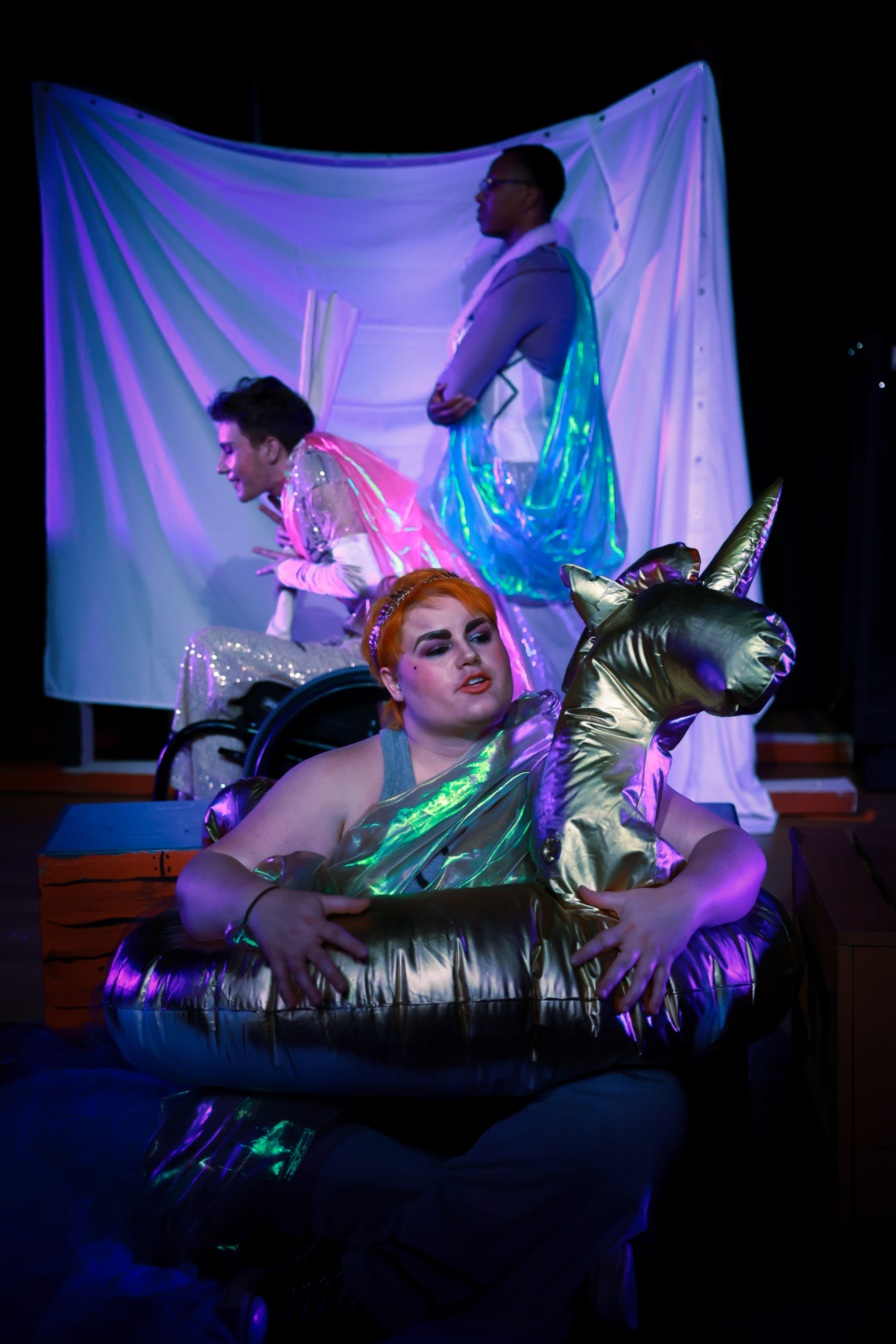
“They [Three Penny Theater] were very awesome and trusting of us to be able to do something so awesome and insane,” Peronnet says. “I’m directing it in a way that makes sense to me.” Peronnet makes sense of Kuzmin through satire. I was told of the techniques used to make this play their own. There will be puppets, cardboard props and scenes impossibly big for their limited budget, but they will make do. It’s part of the charm of the production.
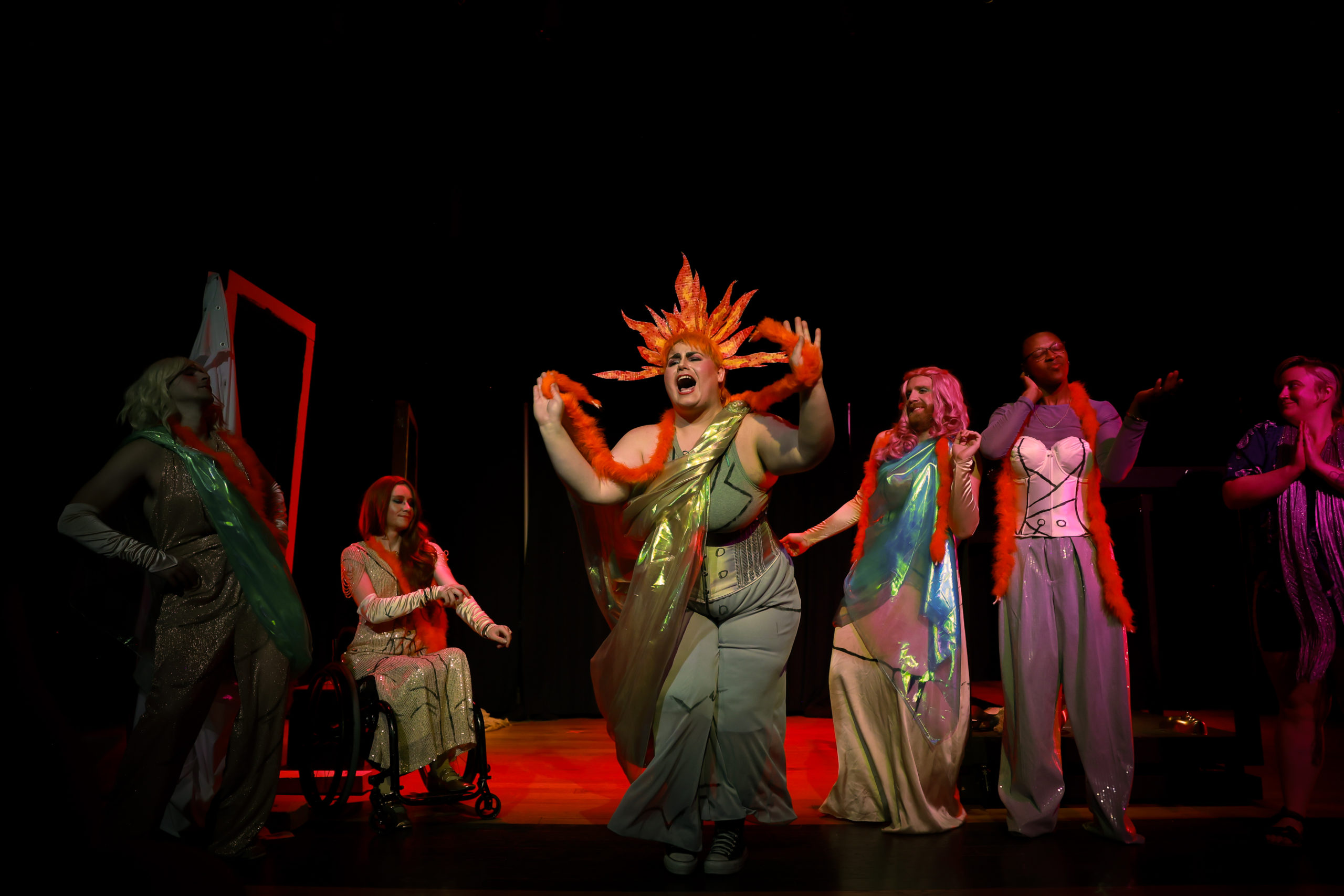
“For me, a lot of things that I think about this play is that it’s the encompassment of the word queer, which definitionally means strange and weird. It’s just a very queer play,” says Camas, one of six actors for a play with 72 characters.
“It’s an extremely gender fluid play to begin with,” Shionalyn says, “And I think that speaks to the reality that Kuzmin was living under in which having sexuality as an identity was a threat.” I am the world’s most cis-male man. I am lanky, neurotic and brown-haired. I am so generic that I am often confused for my lanky, neurotic, and brown-haired friend. I will now make it my business to discuss the benefit of queer-centric media in the state of Utah.
“You’ve got this queer counterculture to this oppressive regime,” says Viviane Turman, another one of the six actors, “And the way they found to navigate and protest against it is to make more art.”
Salt Lake City is funny in that way. We are at once progressive and regressive. Constant whiplash has thrown the city into chaos. No one seems to have any clue what’s going on, and it’s led to vocal artists. Much as I dislike this atom-bomb, more and more great, intelligent and beautifully violent people have been born from it. That’s not to say Death of Nero is violent; rather, it’s playful, proud and loud!
“Everyone has that base instinct of me, me, me. Especially in a capitalistic society of overconsumption, and this is challenging that,” Peronnet says. “For doing that, you’re more likely to become a Trump, a Nero, a Stalin than you are going to be someone who is part of the community.”
That’s really the heart of this play, from my understanding. This play is about being a part of the whole. Samsara and whatnot. There’s no better way to directly contribute to art, and therefore your community, than to pay for and attend, but what if you can’t pay? The goal of the Three Penny Theater, for the uninitiated, is to get unrepresented voices into the theater, whether that be as the artist or the consumer. It’s a pay-what-you-can-show, which means you don’t really have an excuse to not attend The Death of Nero.
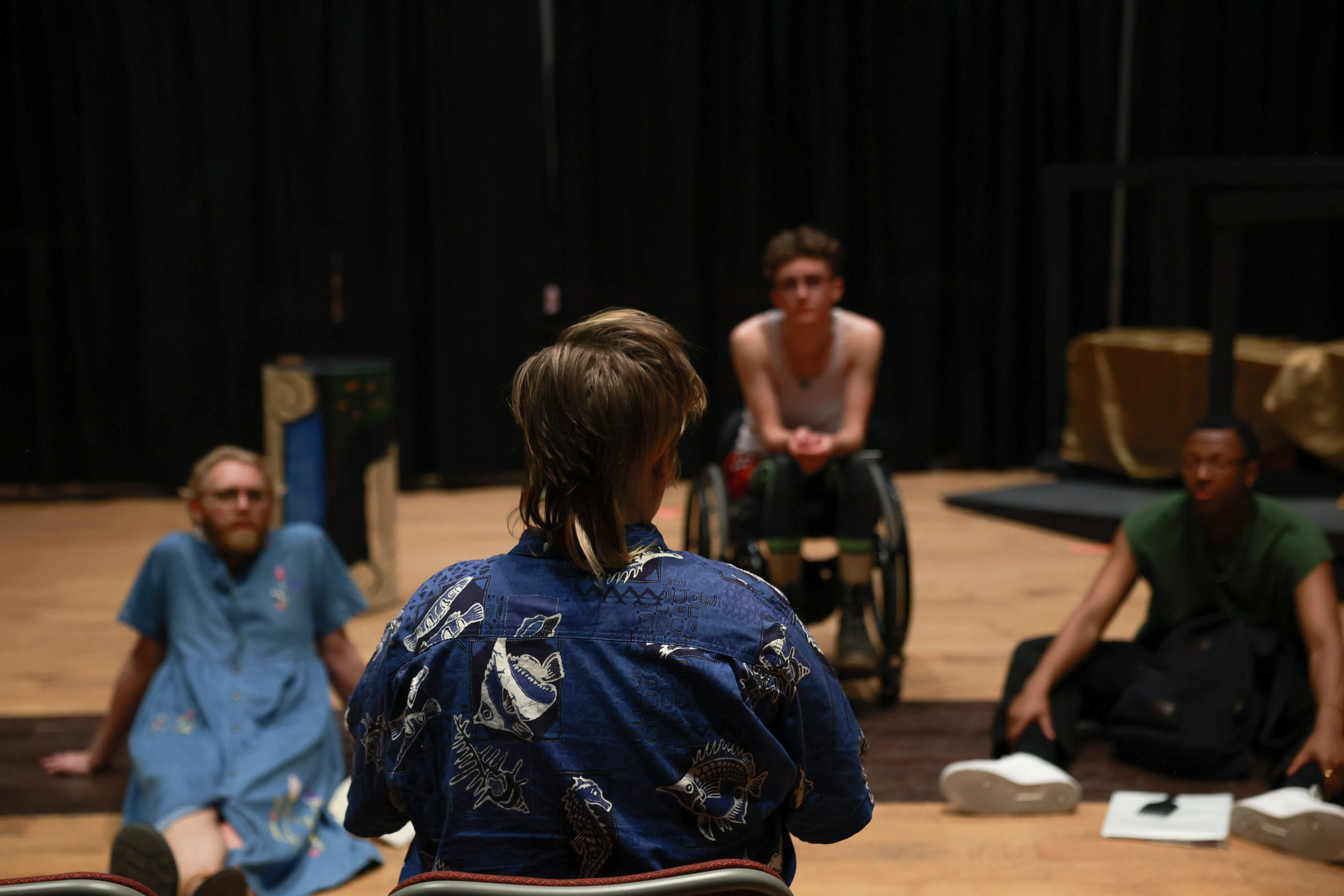
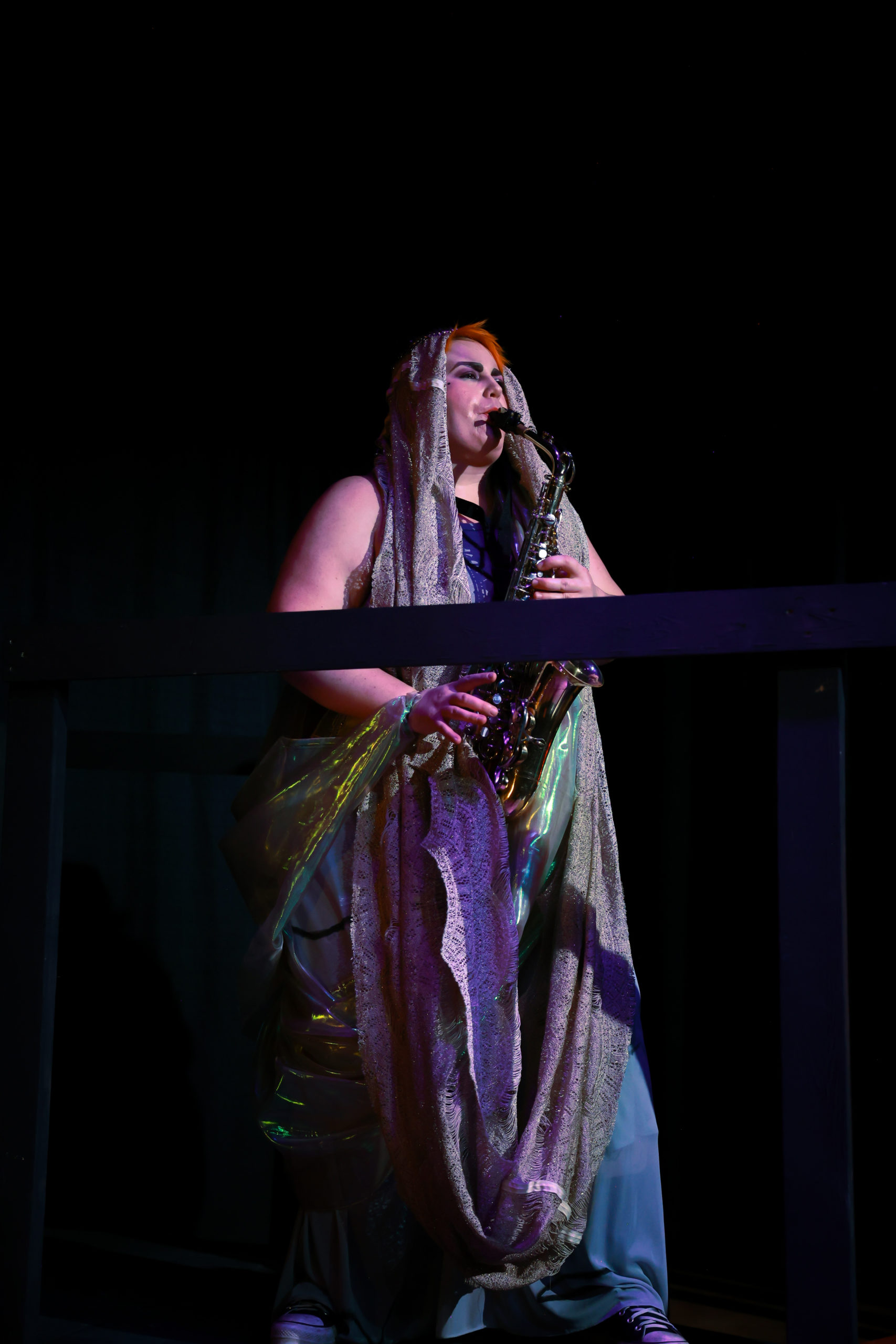
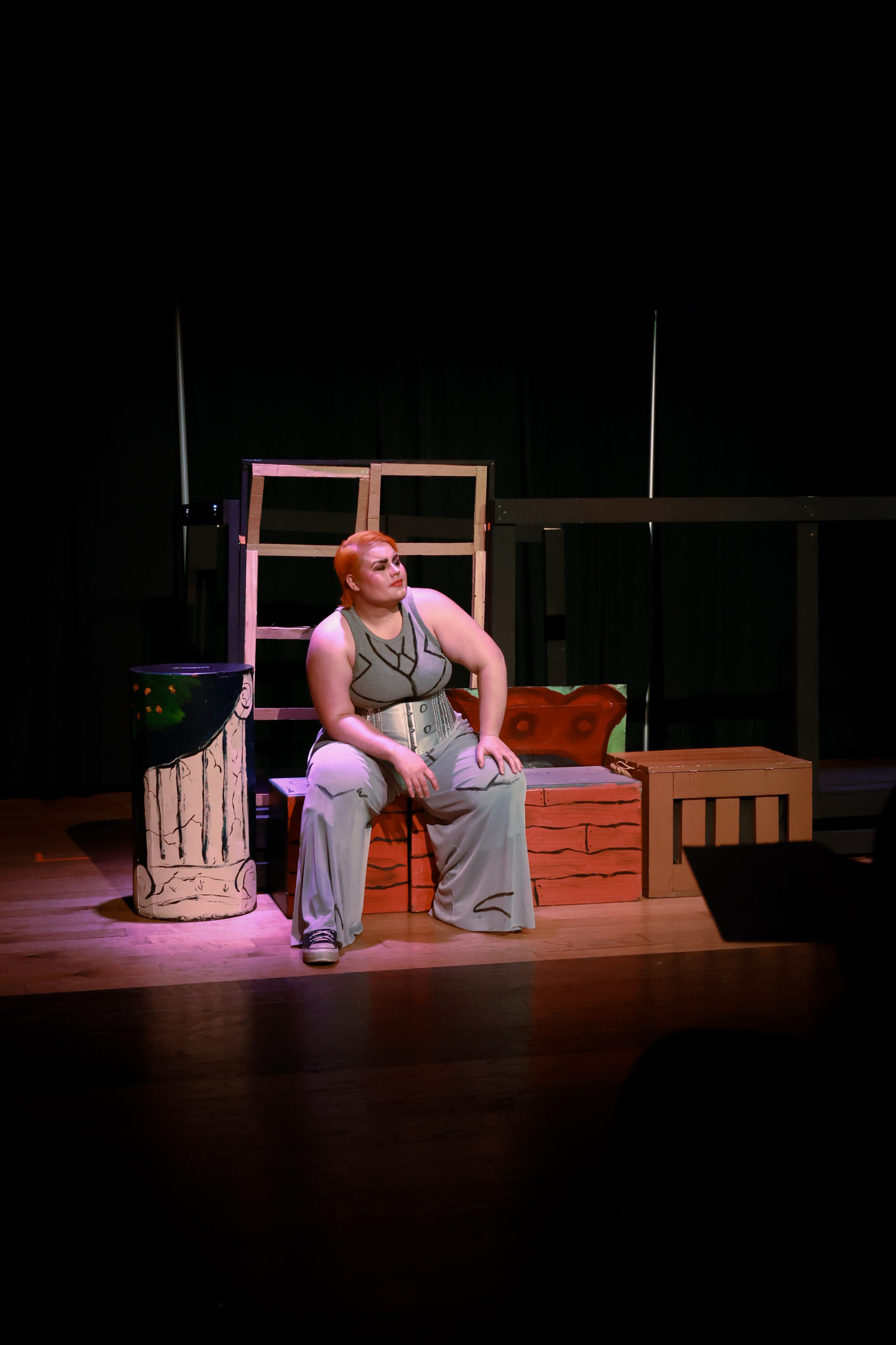
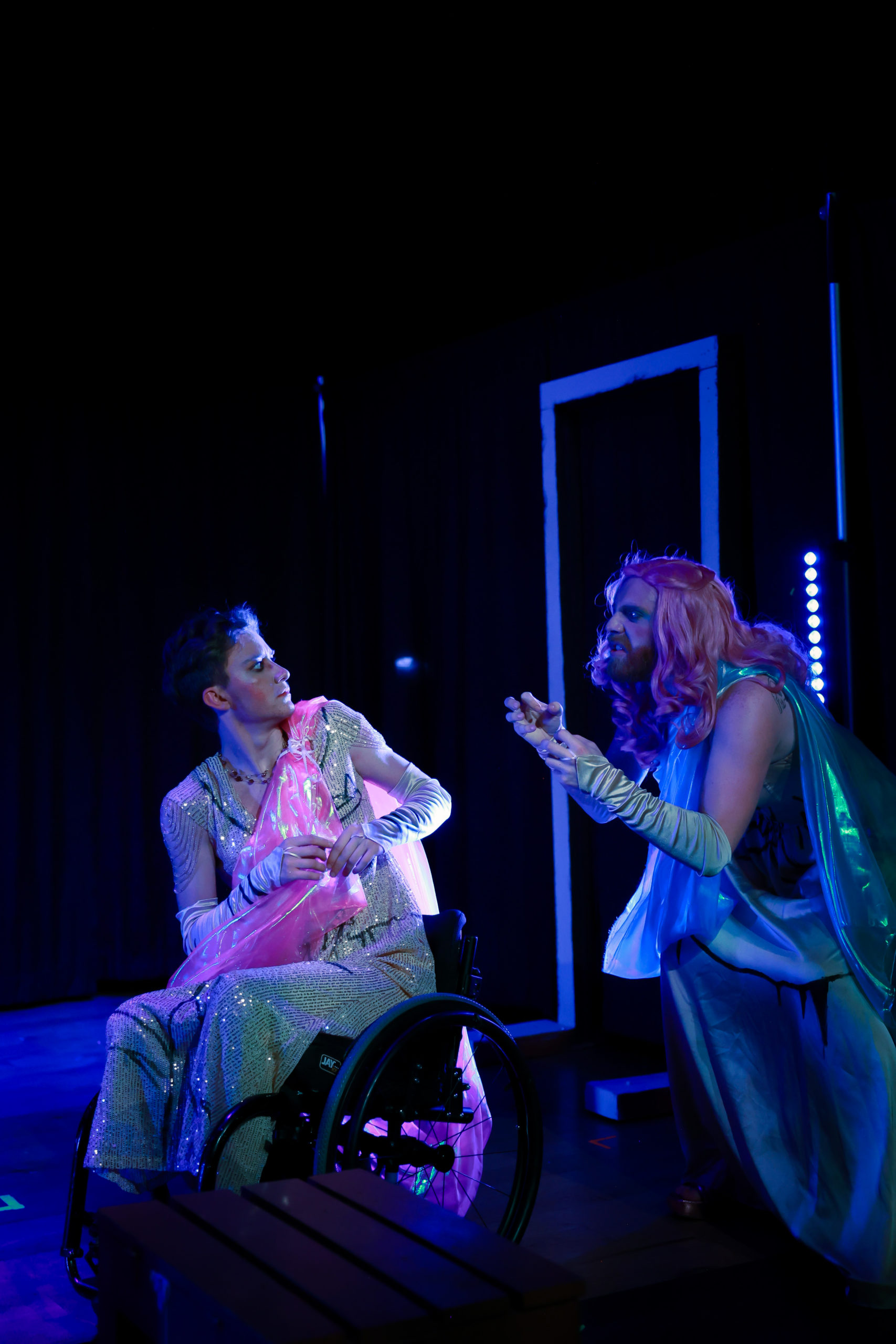
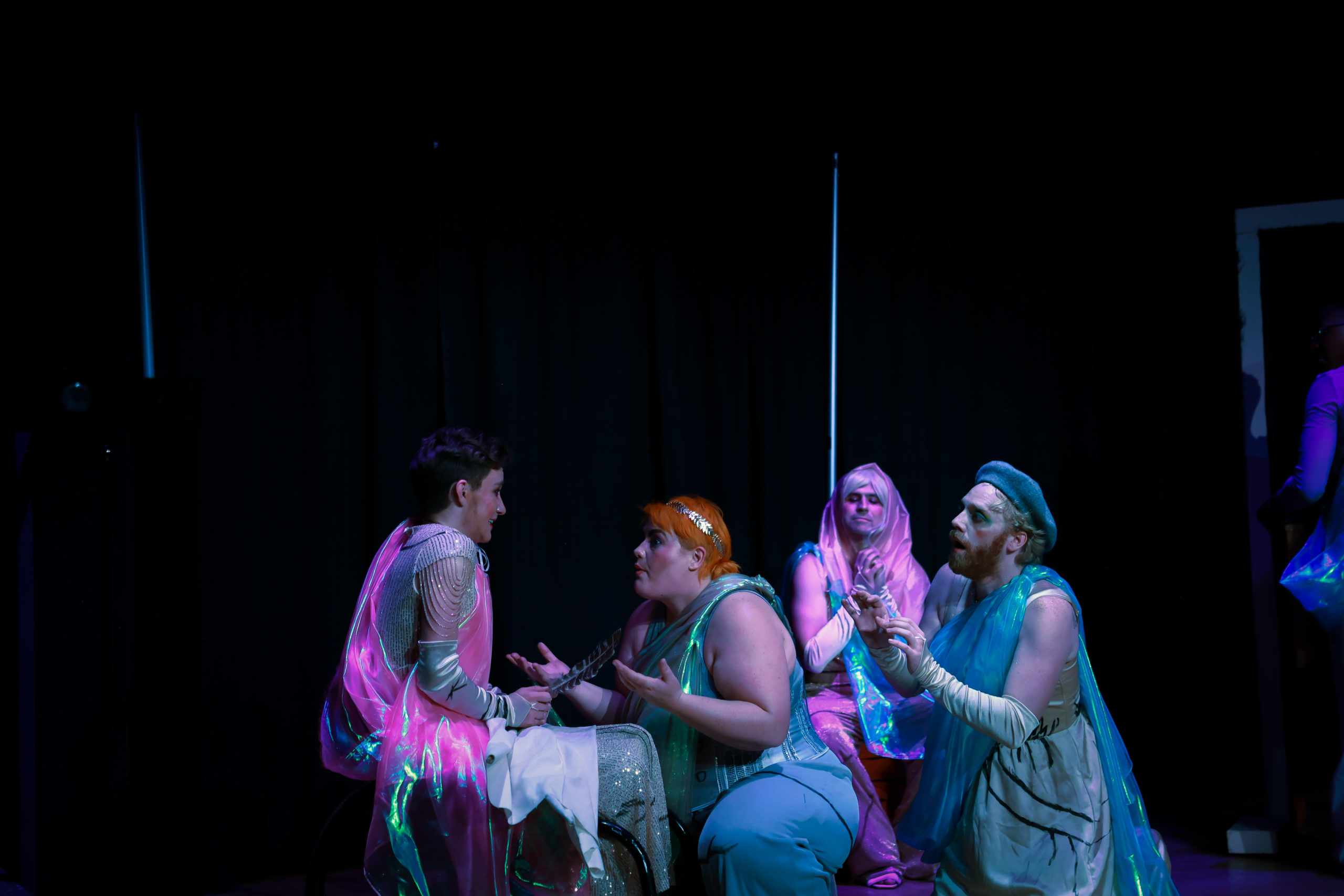
Photos by Hayley Stoddard:

Read more reviews by B. Allan Johnson:
SLFS Summer Showdown: Naked Lunch vs. Fear and Loathing in Las Vegas
Film Review: Coyote vs. Acme
Enjoying SLUG’s coverage of local arts & theatre? Consider joining our community of donors!
