Hogar, Machismo and Humanity
Art
A new home does not require the old one to disappear. Language, memory and tradition can travel too, taking on new forms as they meet a different place. It’s not always one culture replacing another, but something shaped by both. Belonging, then, does not necessarily require assimilation — or becoming less distinguishable from the culture around you. Sometimes it comes from building something new out of what you carry with you.
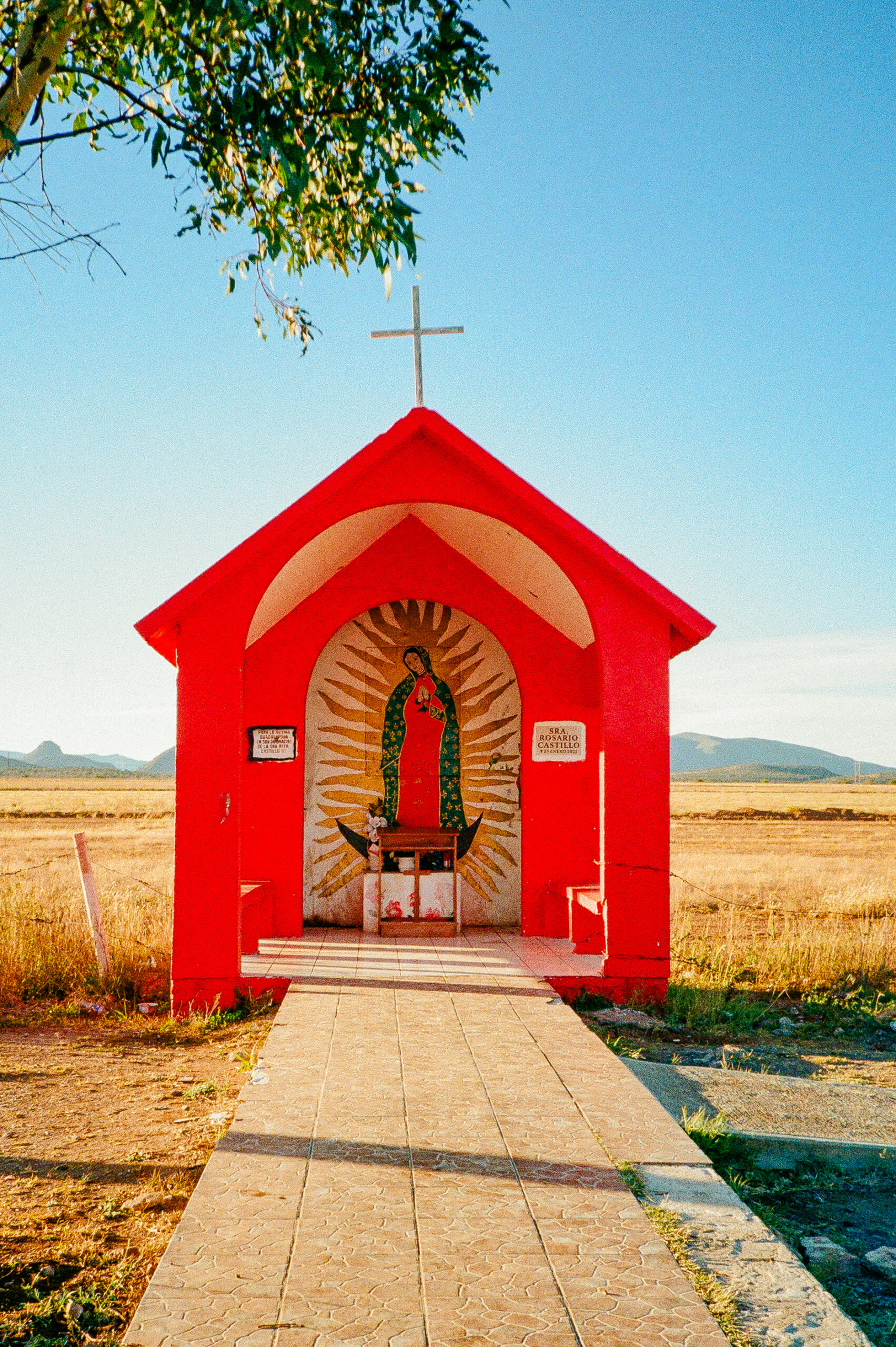
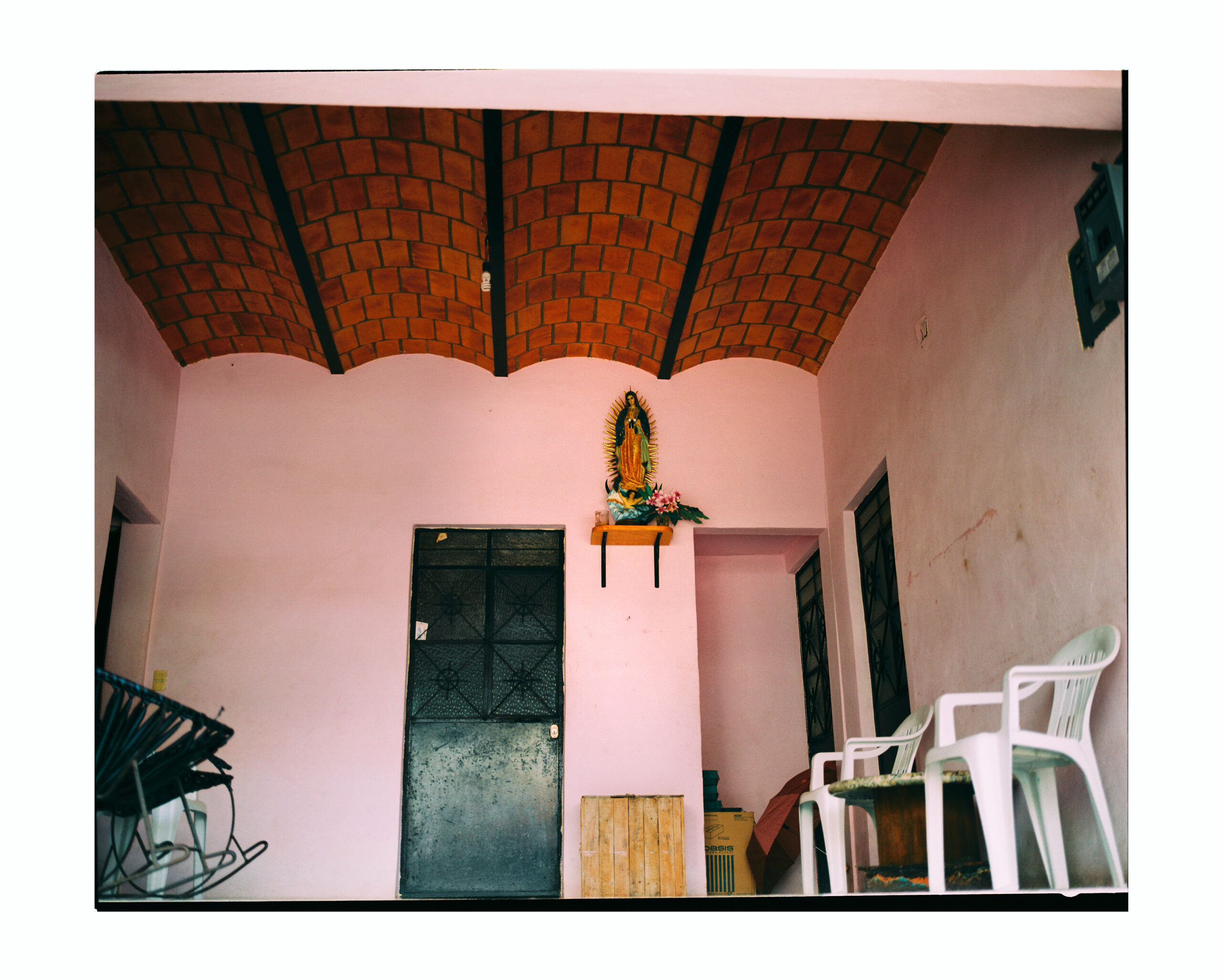
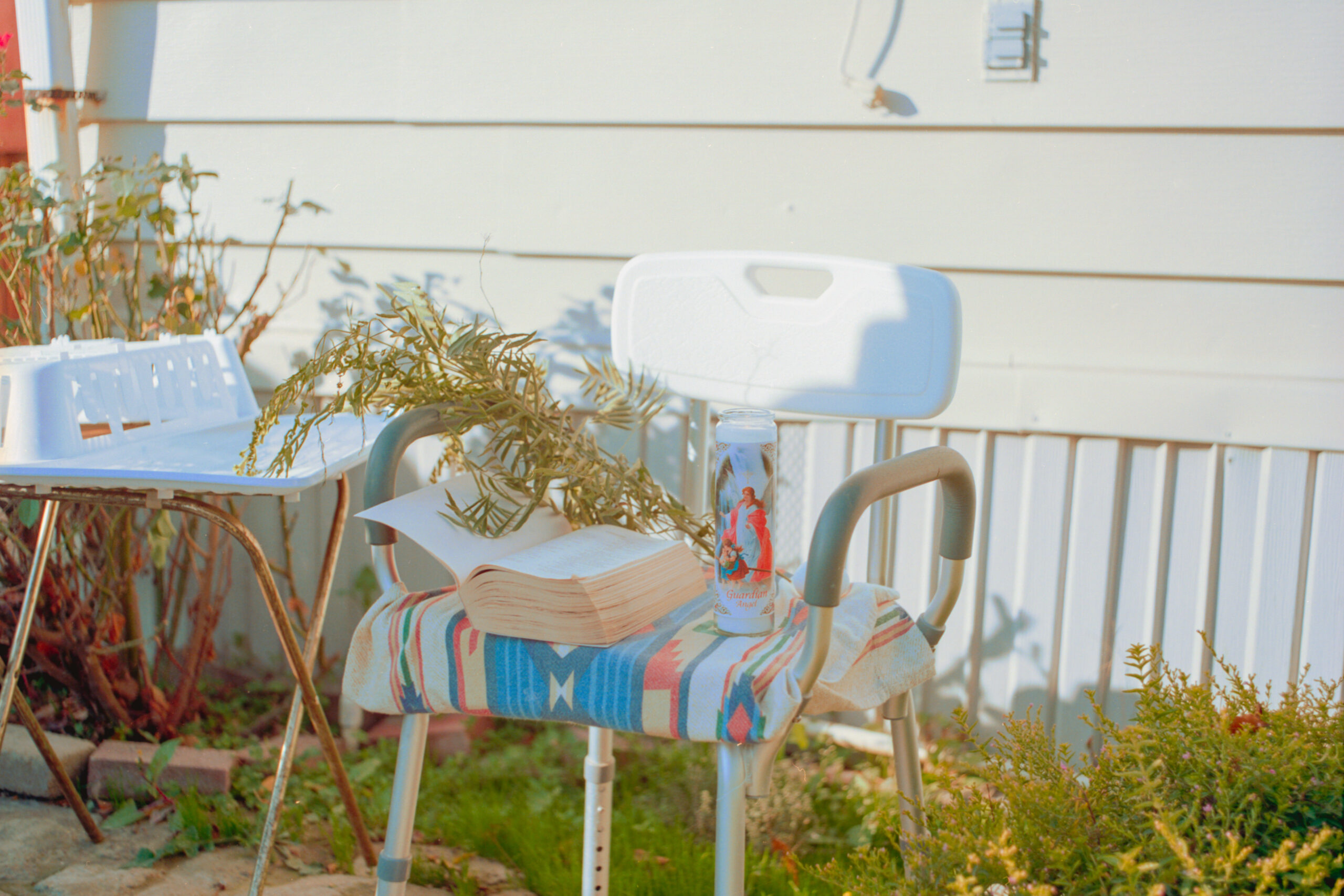
For Utah photographer Mario Alcauter, those ideas are deeply personal. An immigrant himself, Alcauter has built his work around family, culture and the communities people create for themselves. His ongoing project Hogar — Spanish for “home,” a translation I probably should have known before interviewing Alcauter — centers around his parents and the home they made in the United States after immigrating. “I think home has always meant family — my family,” Alcauter says. And as Alcauter and his parents grow older, Hogar has also become a way for him to confront their mortality. “It’s this process of grieving and remembering and having this conversation with my parents through photographs,” he says.
“All these little moments in our lives that are regular, I think, are kind of what makes humans magic.”

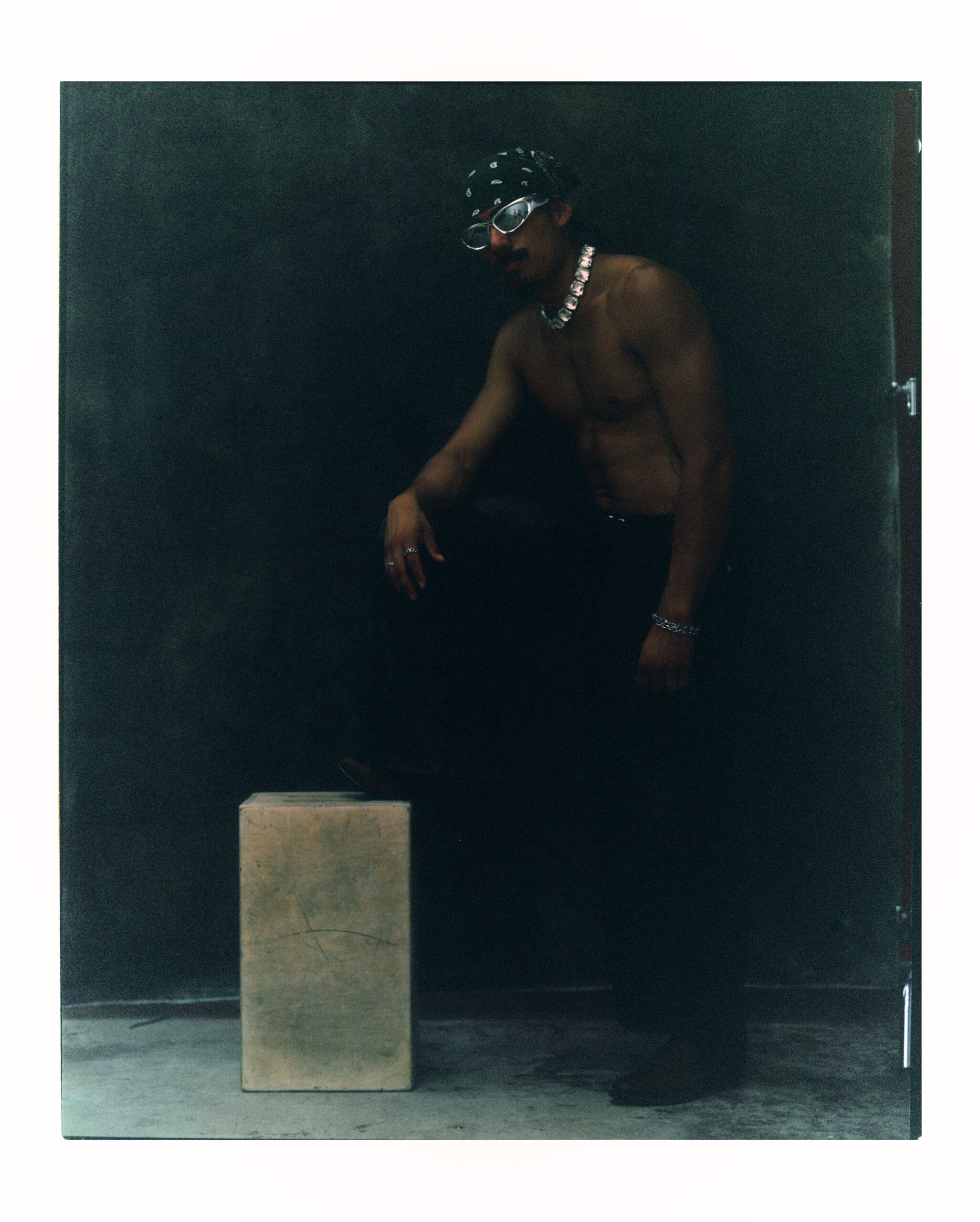
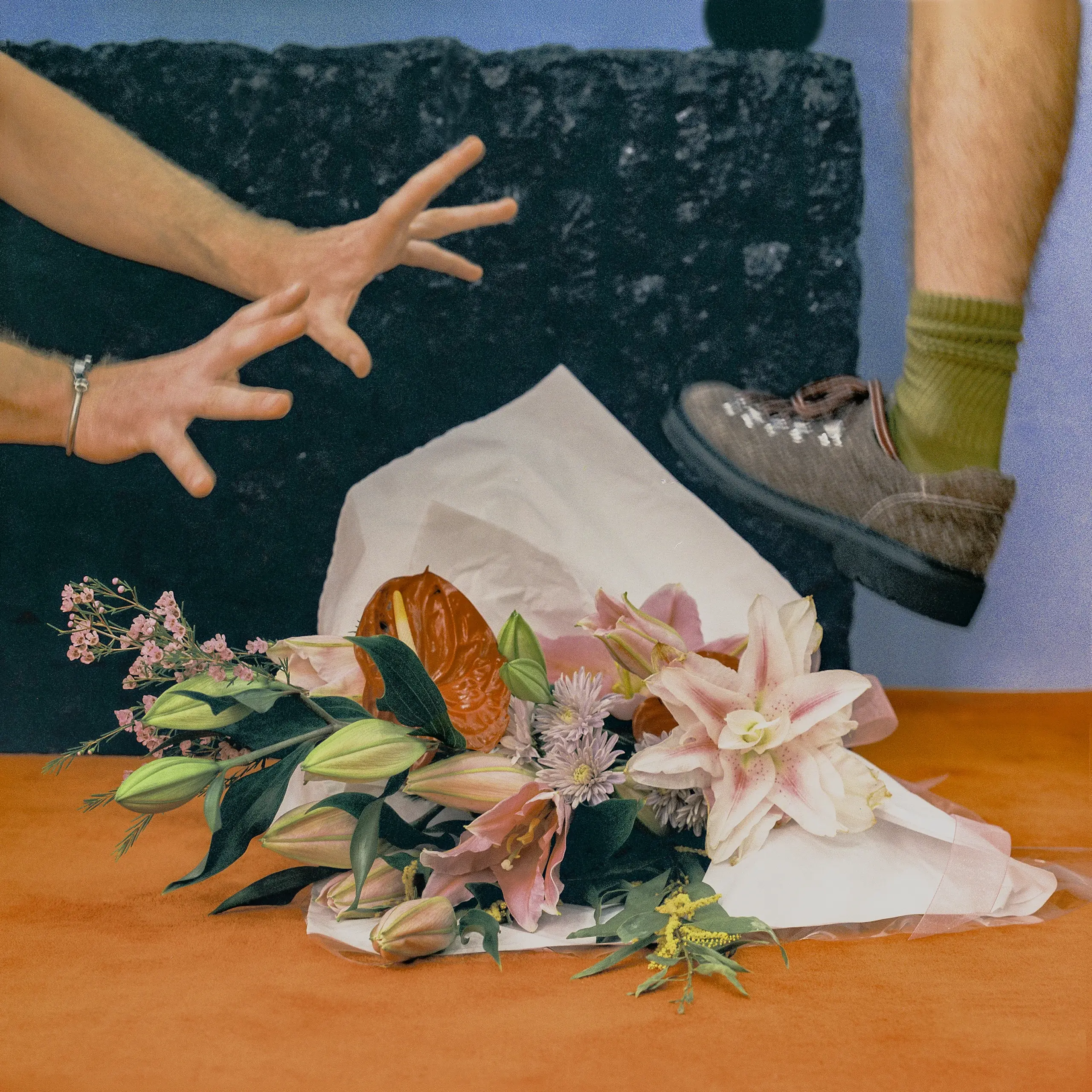
While Hogar looks at what Alcauter holds onto, his project Machismo turns to the parts of his upbringing and culture he wants to question. The project examines the expectations of masculinity he grew up around: how men are supposed to look, act and express themselves. “Not everything in my background, or in a Hispanic background, is necessarily a healthy cycle,” Alcauter says. “Sometimes I think it’s important to highlight it and try to break these negative stereotypes of being Hispanic.”
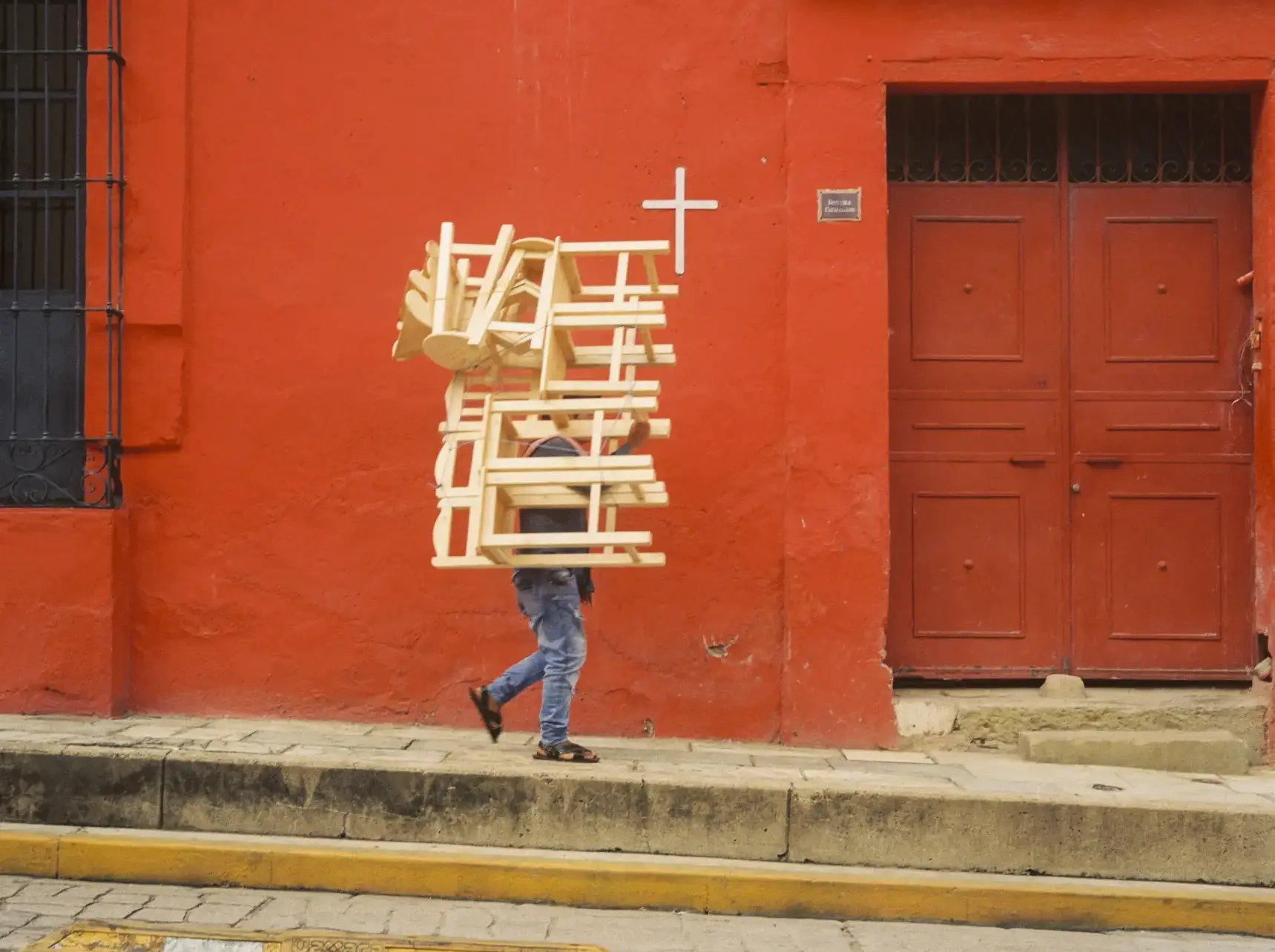
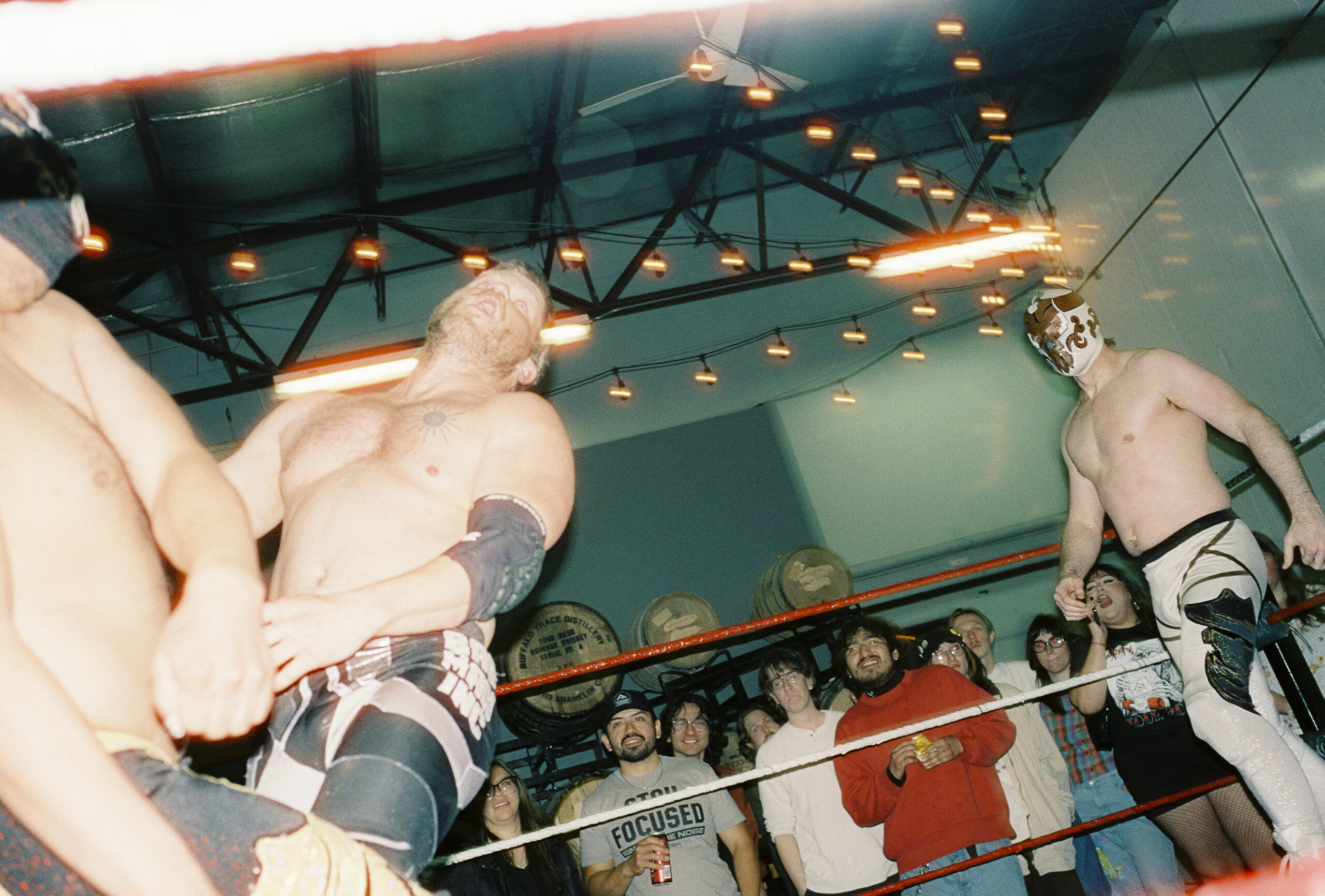
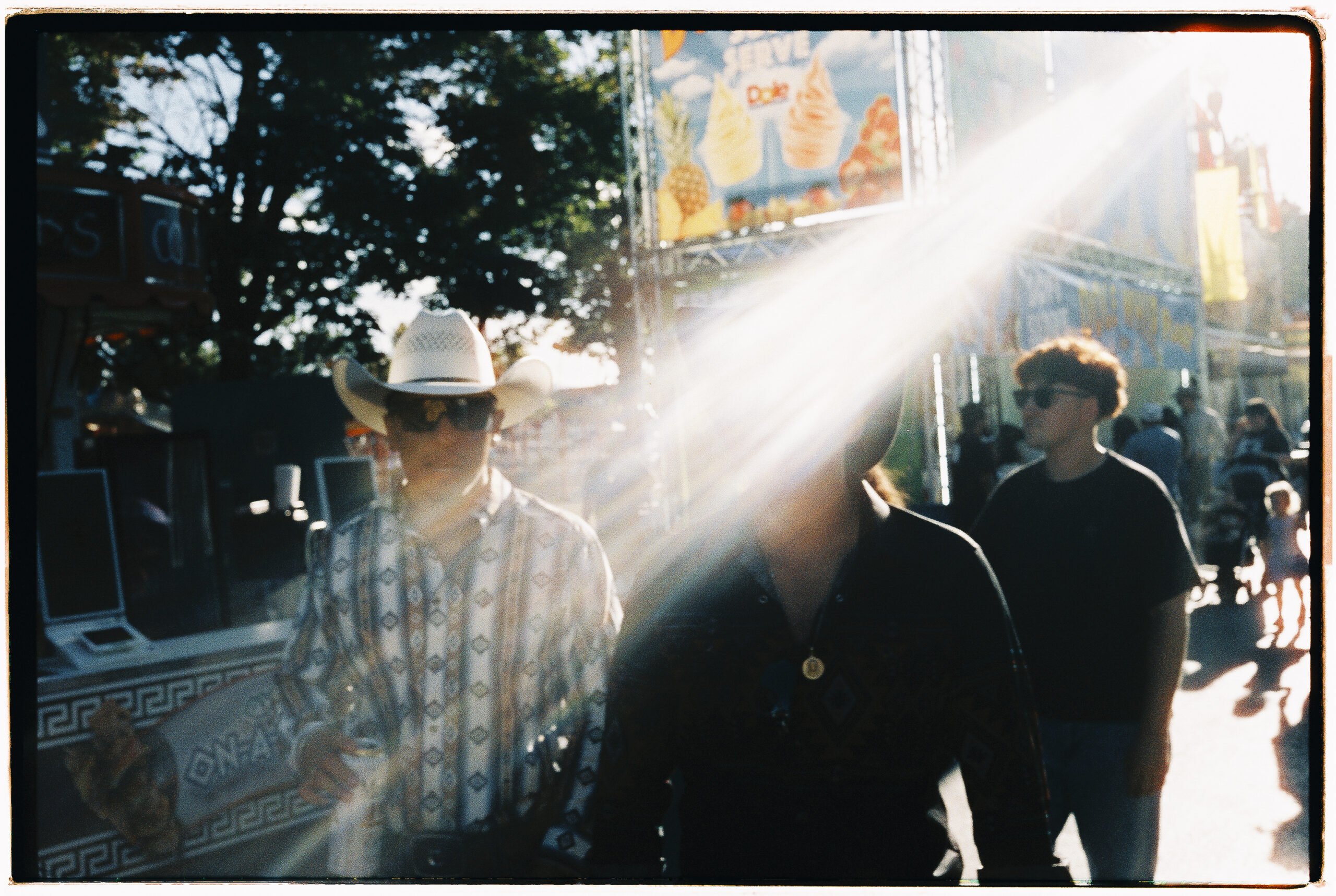
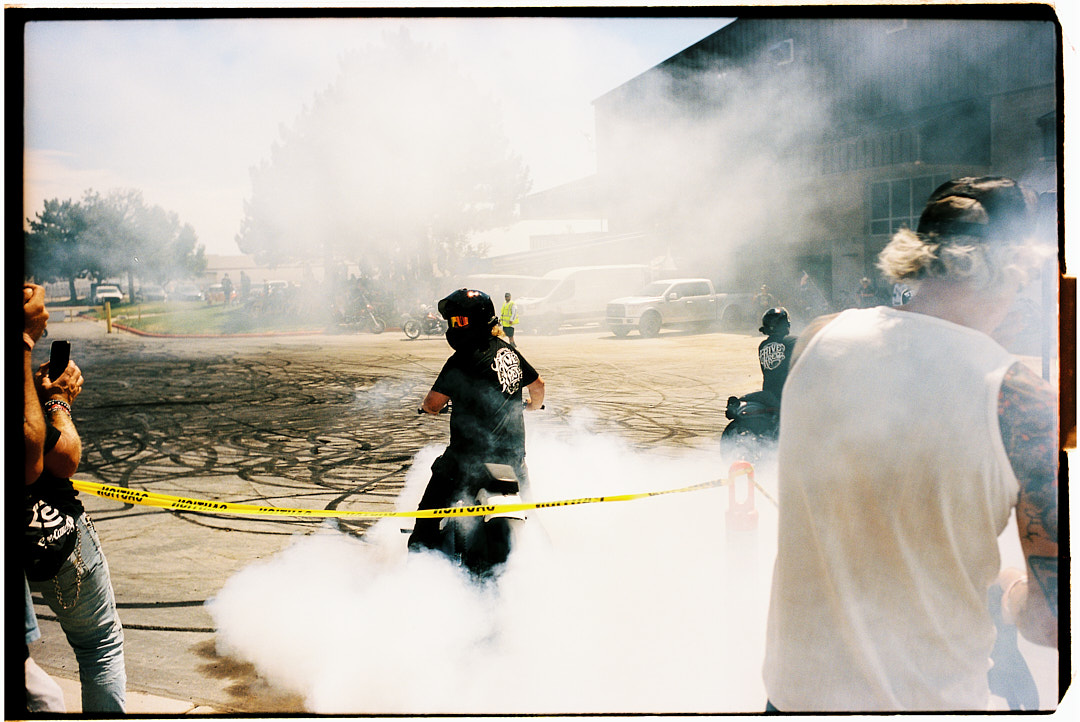
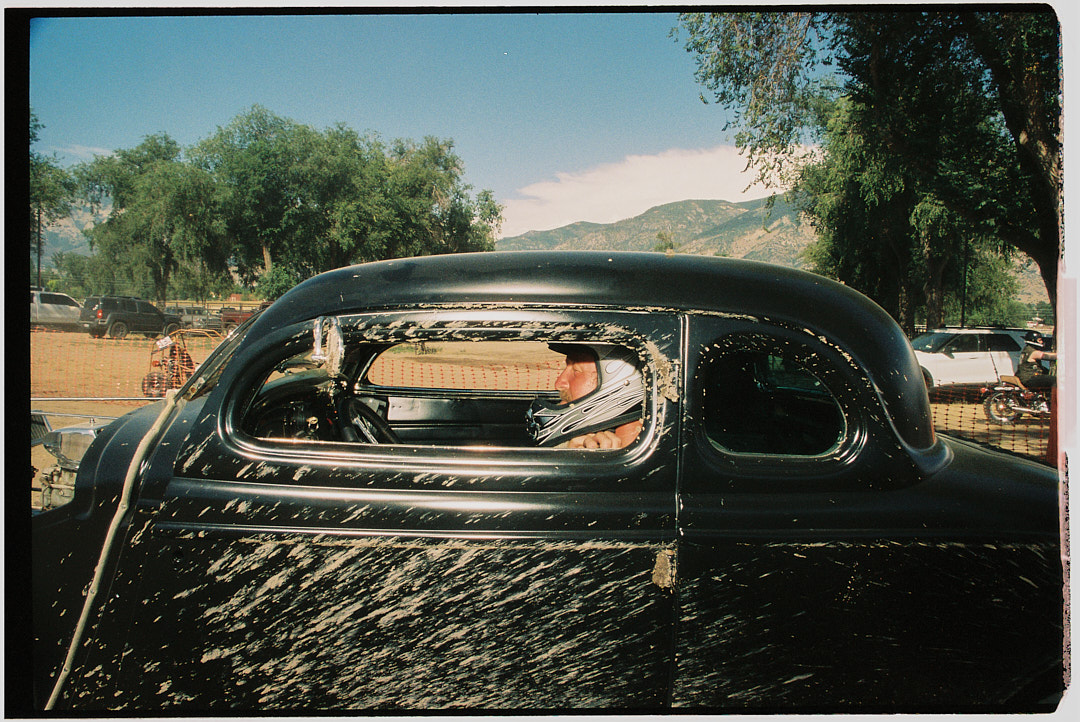
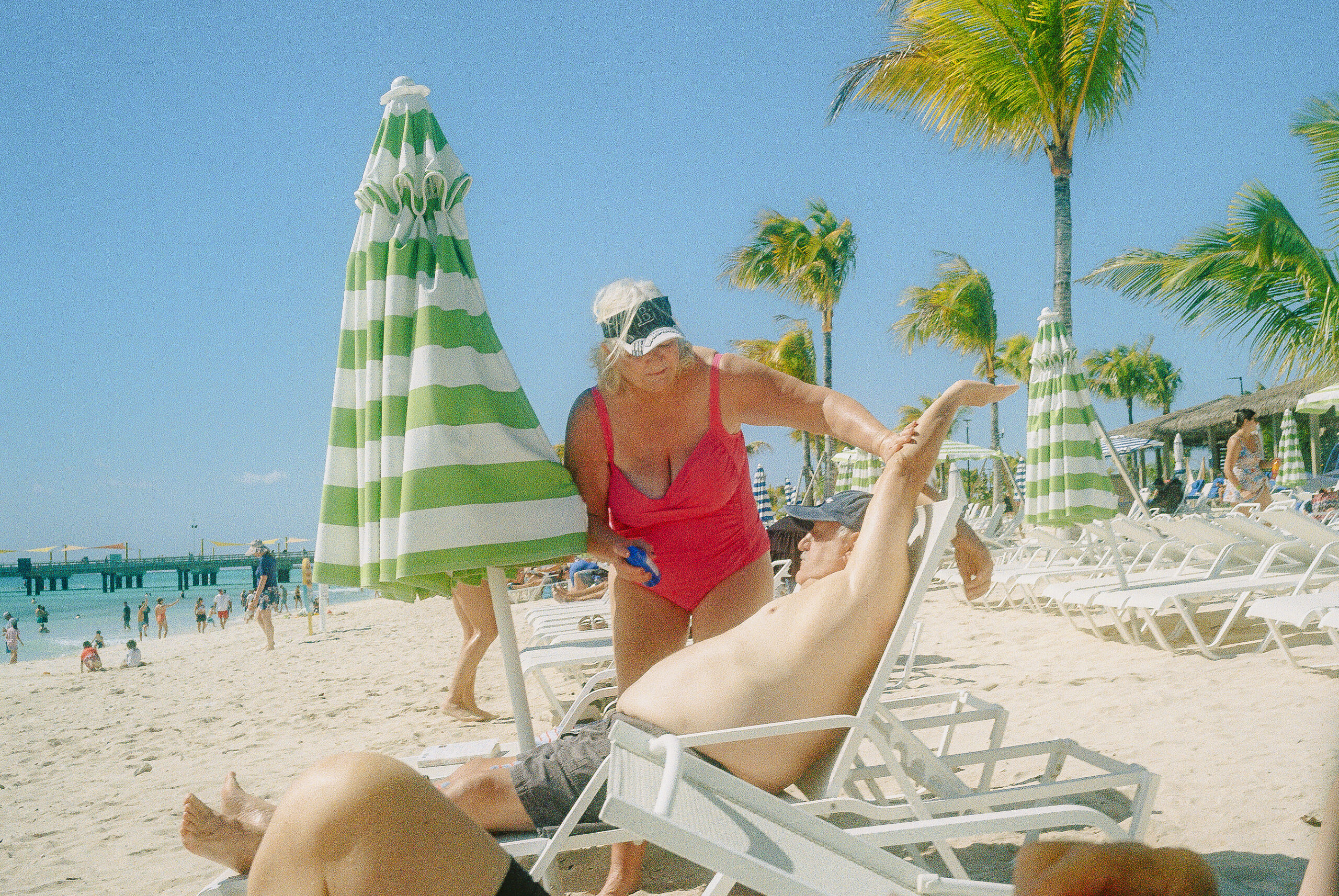
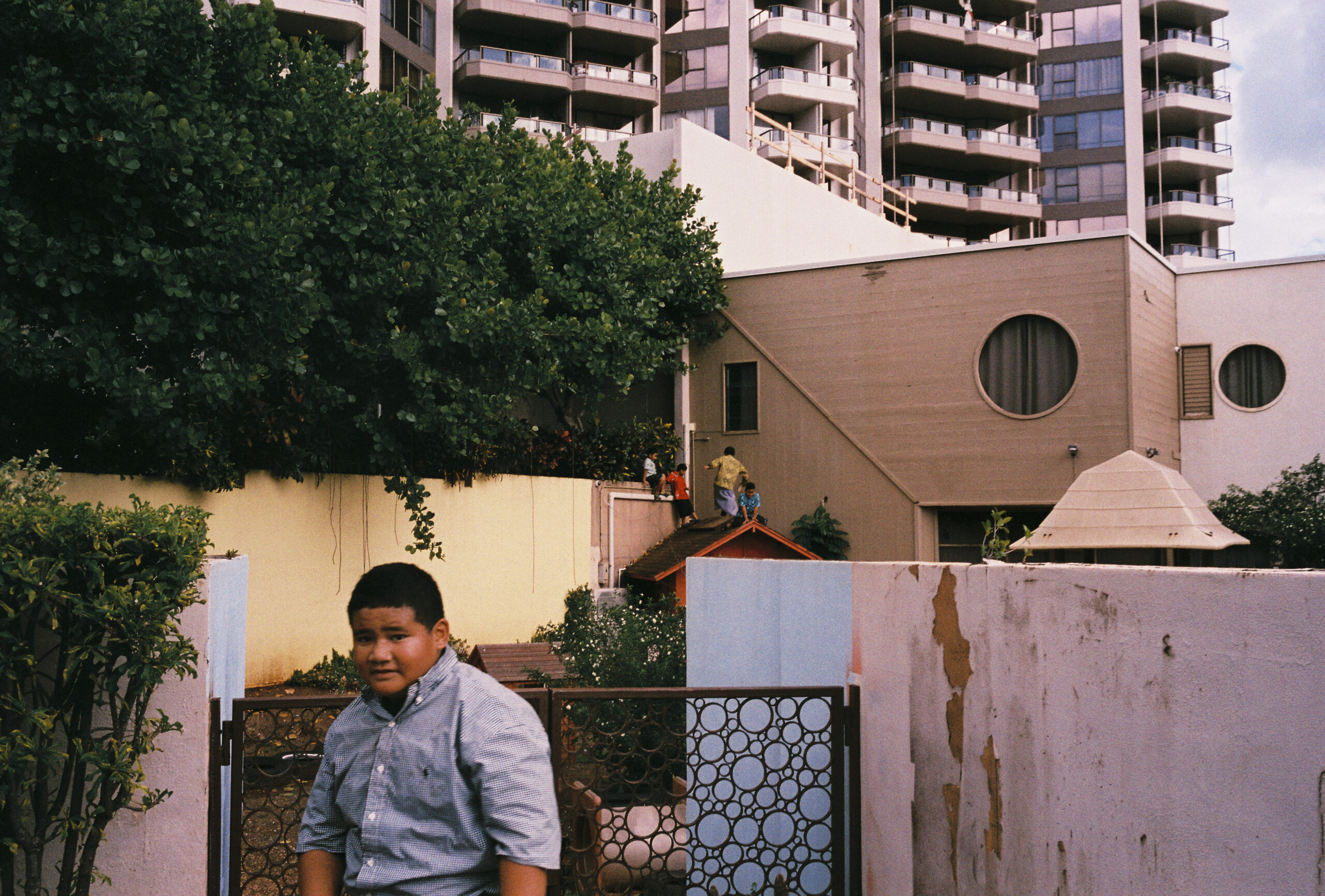
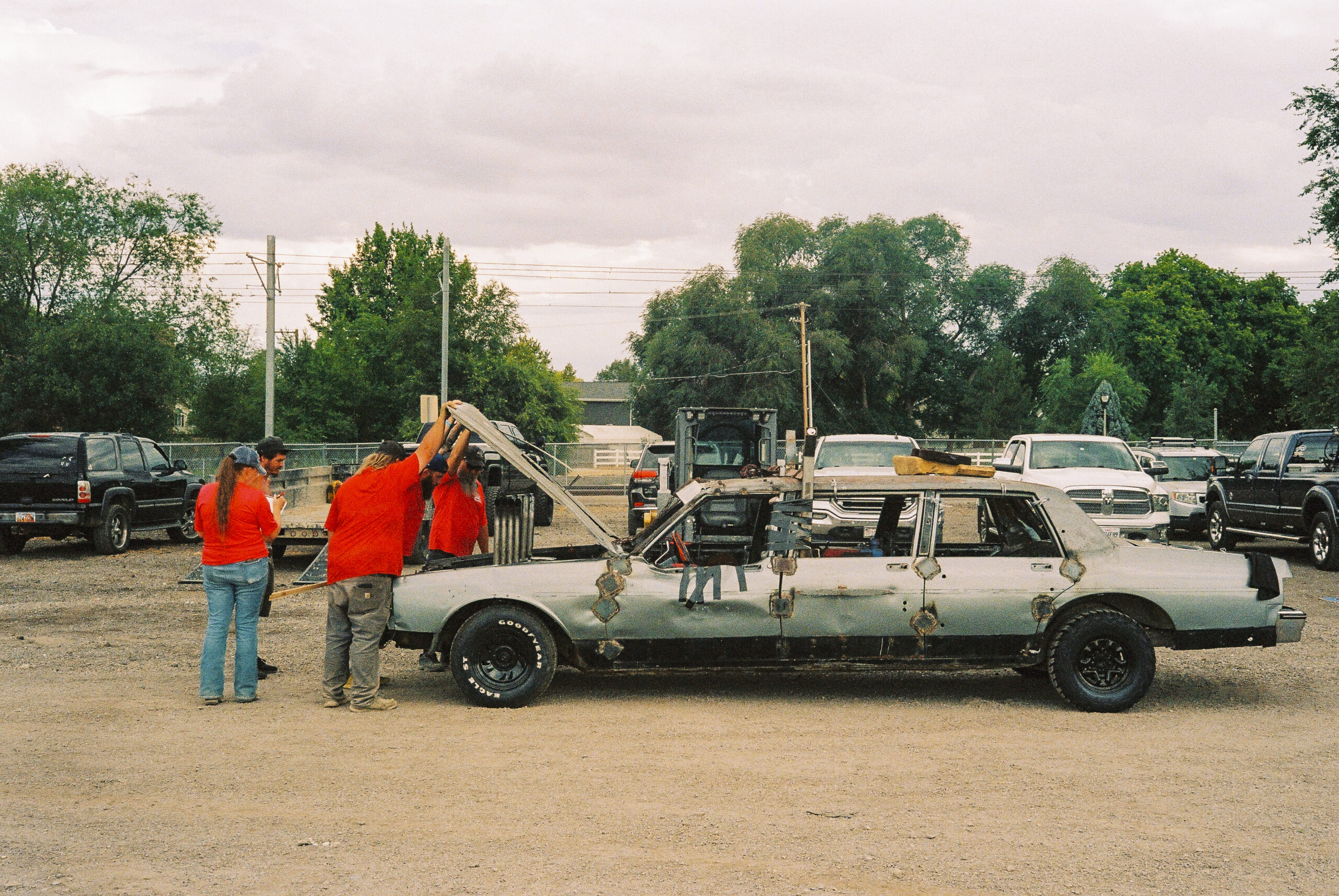
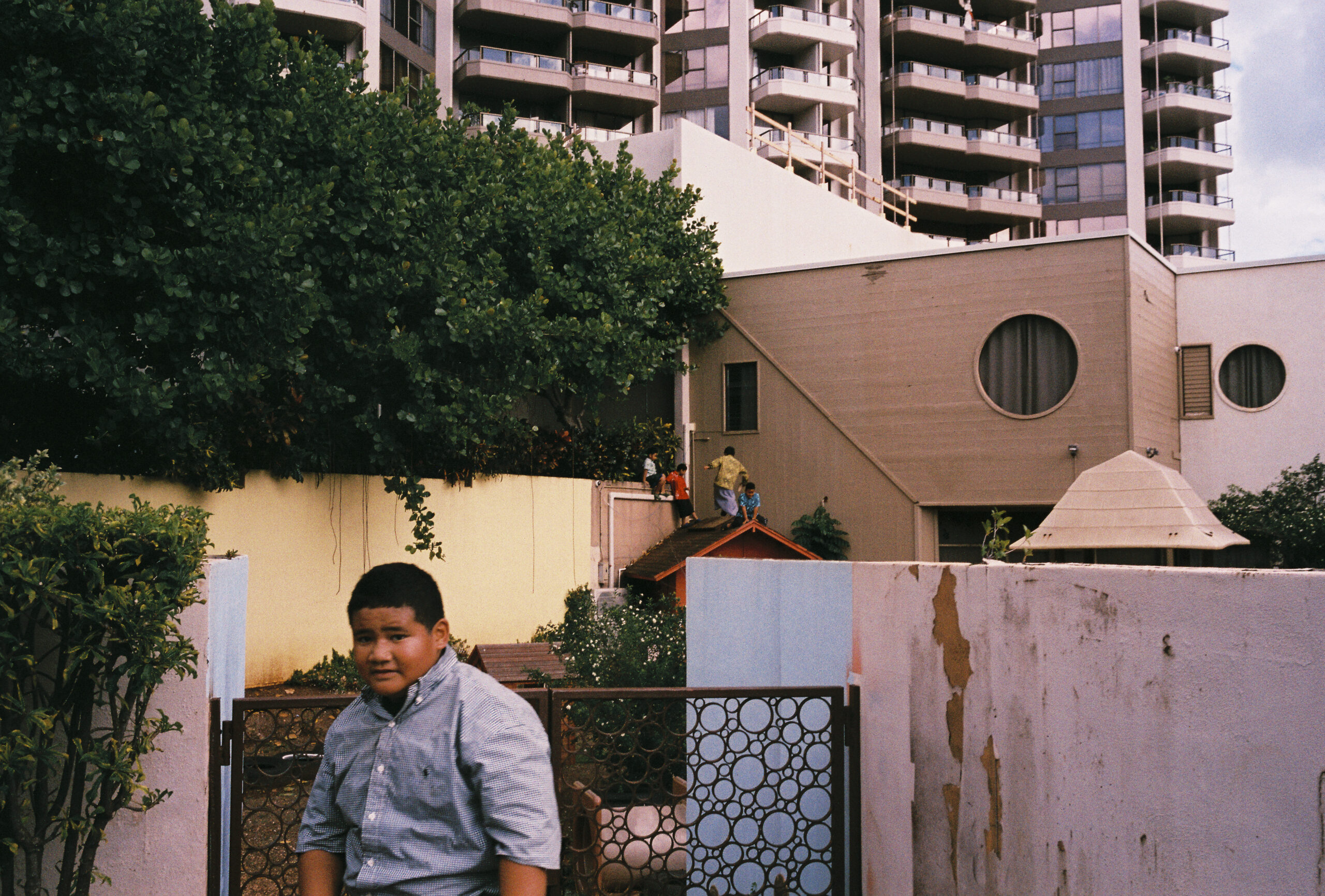
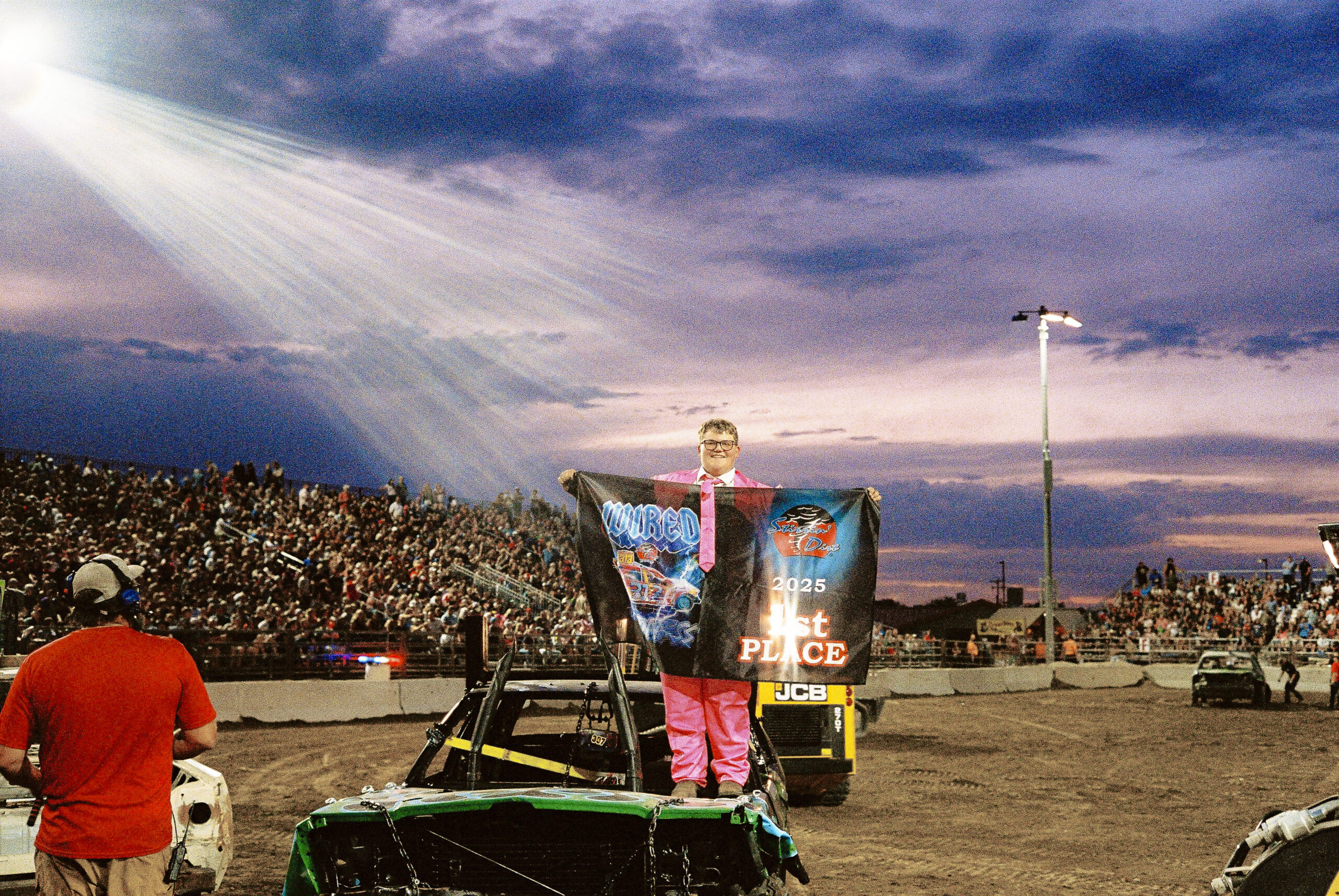
For all the provocative questions behind Hogar and Machismo, Alcauter is just as interested in the less dignified parts of being human. In his street photography, that curiosity shows up in subtle expressions, awkward moments and the occasional joke. “All these little moments in our lives that are regular, I think, are kind of what makes humans magic,” he says.
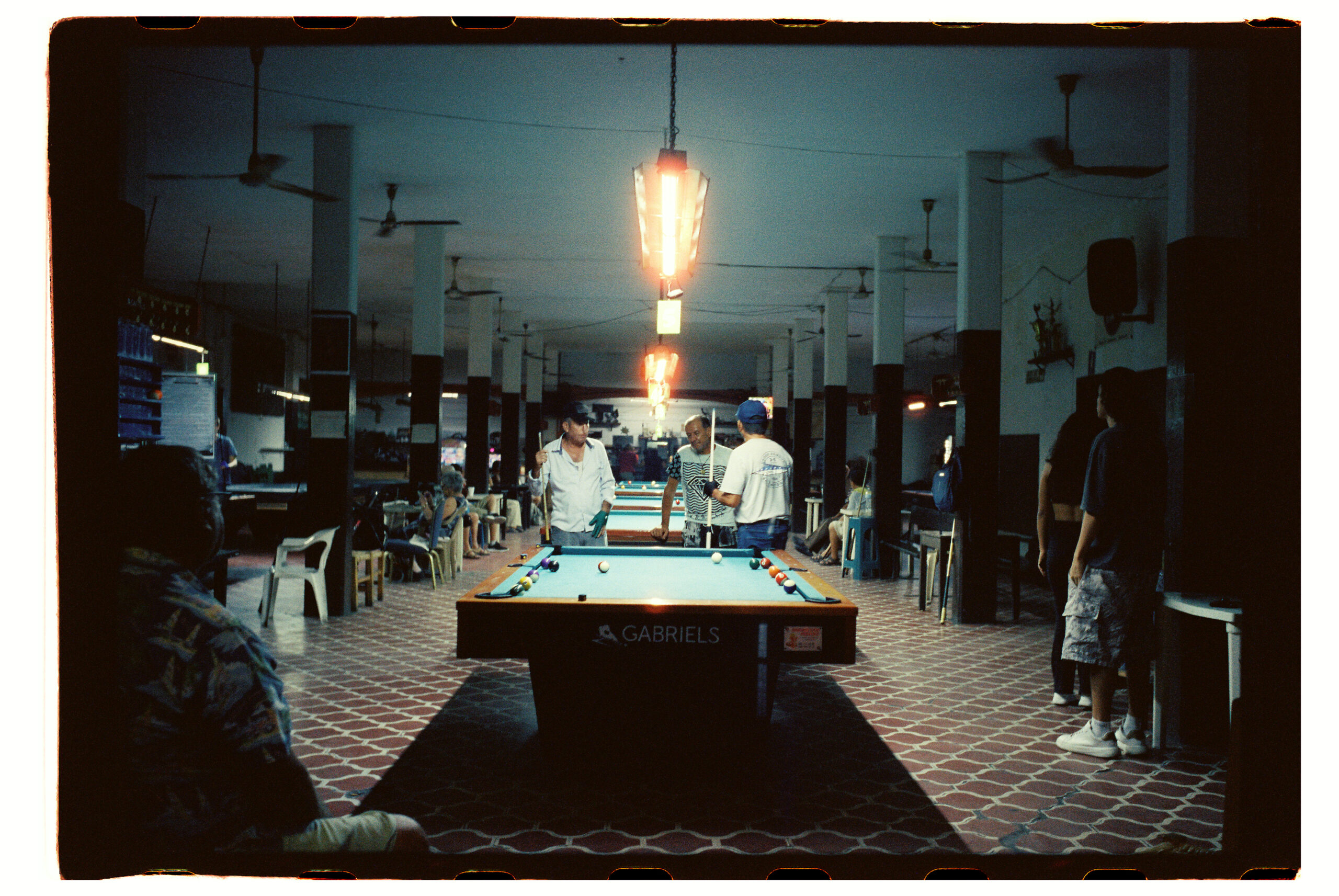
That fixation on expression, the moment a face gives away what someone might be feeling, carries into La Línea, Alcauter’s capstone project at BYU. Photographed in San Ysidro and Tijuana, including the same port of entry he once crossed, the project brought him back to expressions that felt familiar. And rather than reduce immigration to numbers or categories, Alcauter wanted to focus on the people inside that conversation. You know, humanize them!
“I captured a part of your soul, and it’s on this negative, and it’s here.”
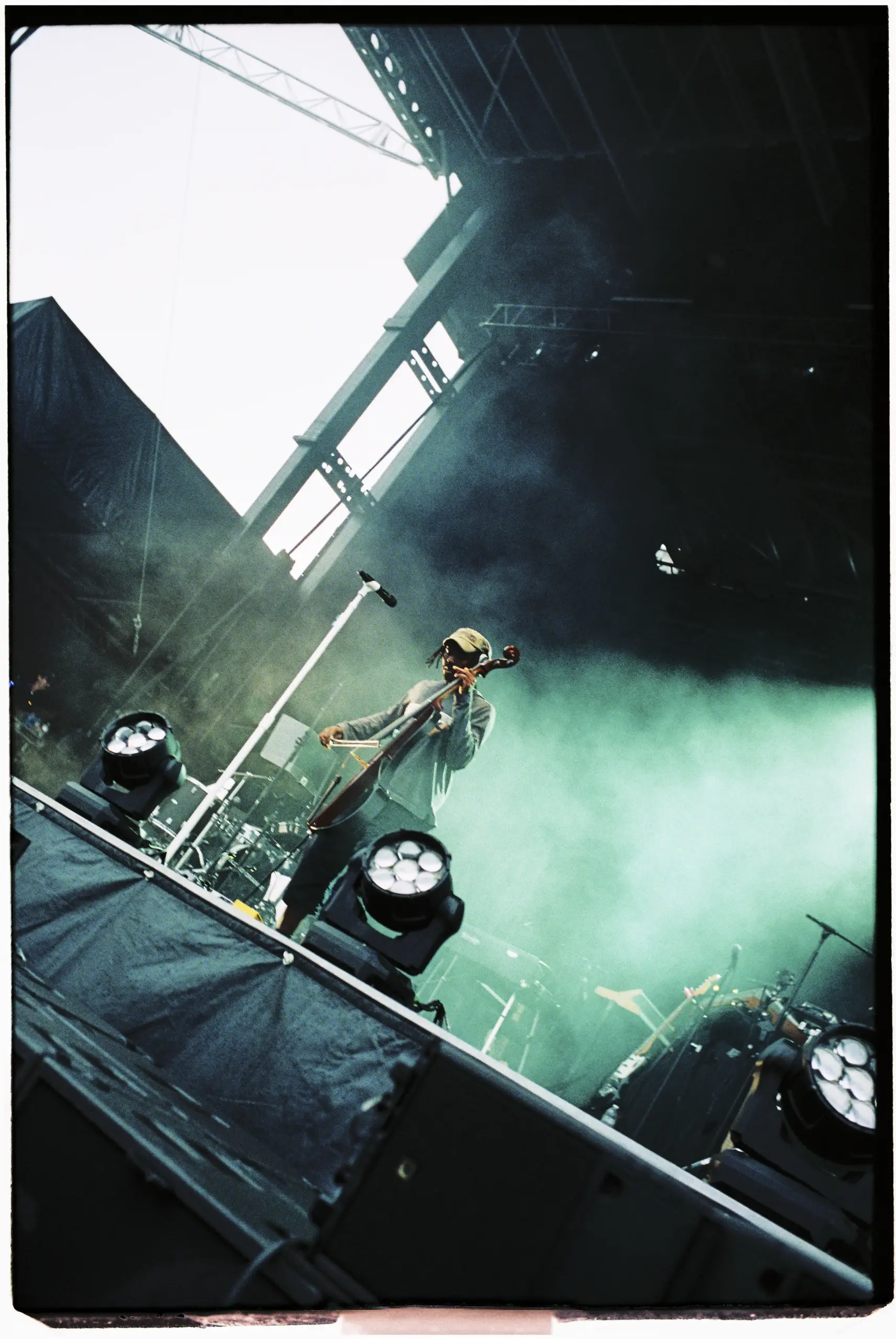
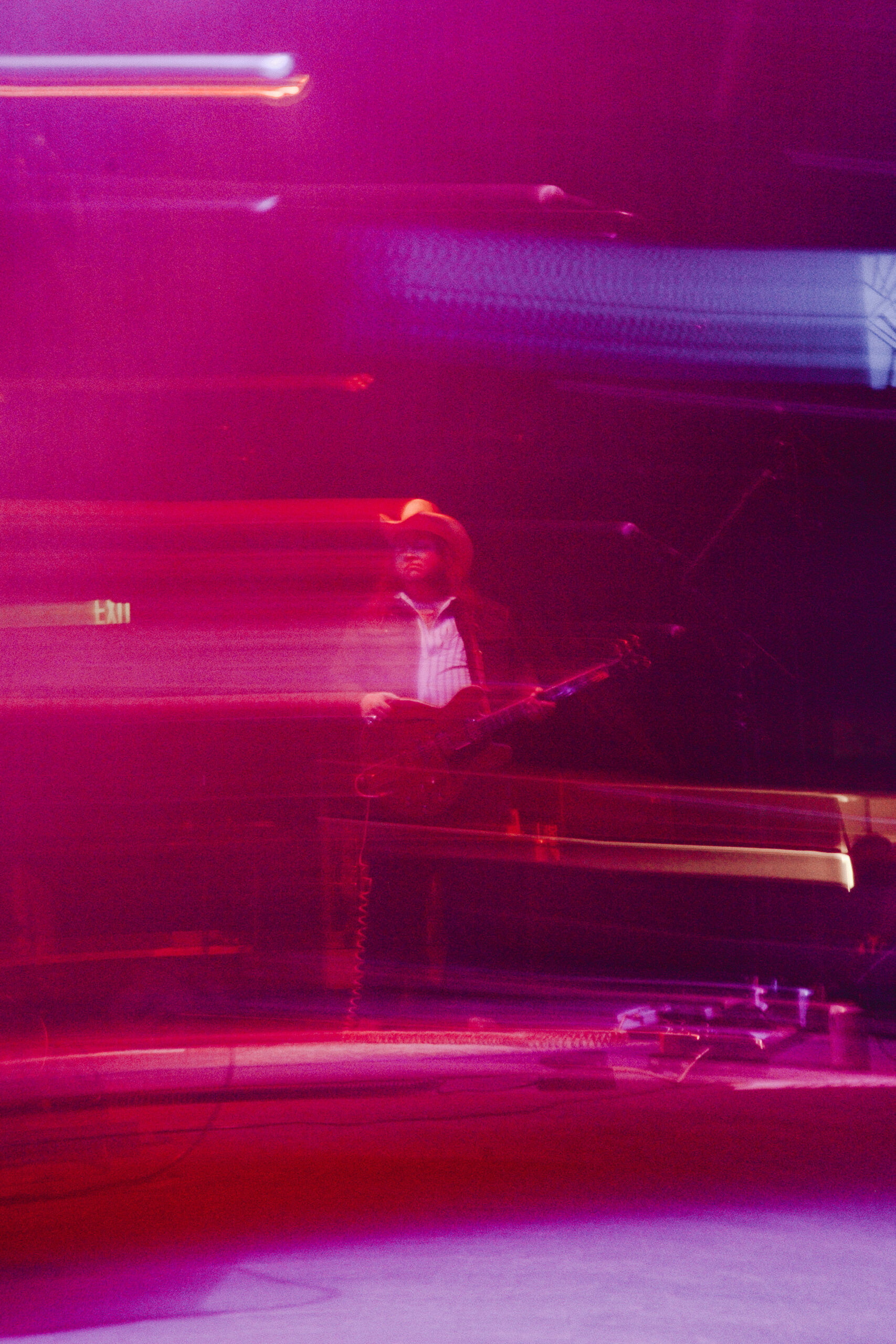
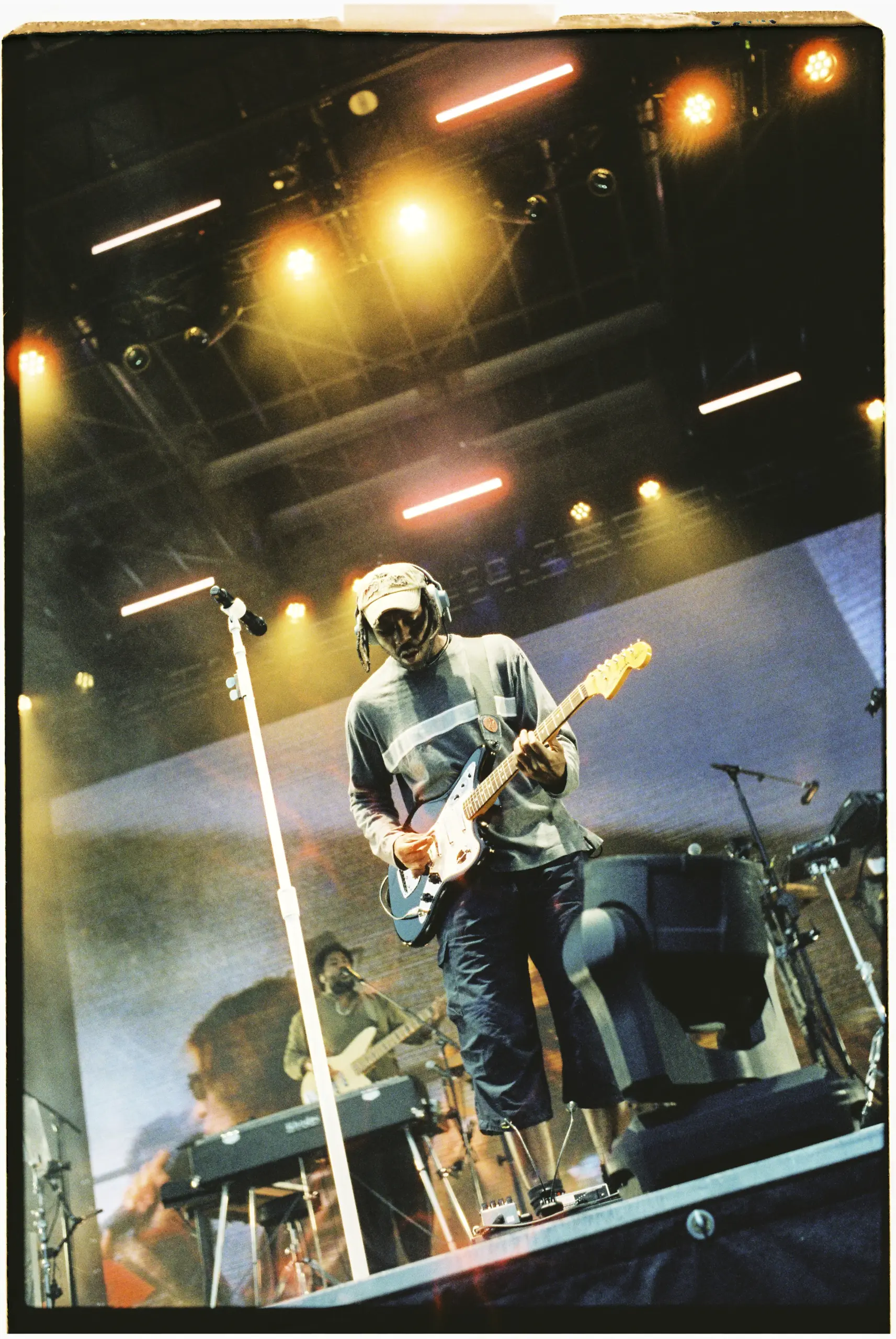
Film photography gives Alcauter another way to hold onto those profound moments. He first became interested in the medium after seeing his brother’s darkroom prints, later taking every film class he could at BYU. What sold him on film specifically was the process’s intimacy and the physical connection of the finished product. “I captured a part of your soul, and it’s on this negative, and it’s here,” Alcauter says. For him, that tangibility matters because it’s something he can hold, rather than ones and zeros on an SD card.
When I ask Alcauter how he keeps his voice intact in commercial work, he doesn’t seem too worried about separating the two. “I like to think companies hire me for my voice and my work, so I try to stay true to that,” Alcauter says. “That is being intimate, being vulnerable, telling real stories.” One example is his creative direction for Little Moon’s “Wonder Eye” music video, where he helped create its ethereal visuals through texture, color and light, while also shooting the project’s Super 8 footage.
The future is a loaded thing to ask an artist about right now. Photography is changing fast, and for working artists, certainty can feel like a luxury. Alcauter’s answer to the future is refreshingly less apocalyptic. He continues to work on Hogar, hopes to pursue a master’s degree and keep finding communities worth photographing.
You can find more of Alcauter’s work at alcauterstudios.com or find him on Instagram @alcauter.photo.

Read more about artists making waves in the local scene:
Making Space For Play: Andrew Alba Lets Kids Take the Lead
Sewing a Story: Codijo Chebon Yazzie
Want to help SLUG continue highlighting the work of local artists and photographers? Consider joining our community of donors!
