Almost Animal: Amy Irvine on Wilderness and Womanhood
Arts
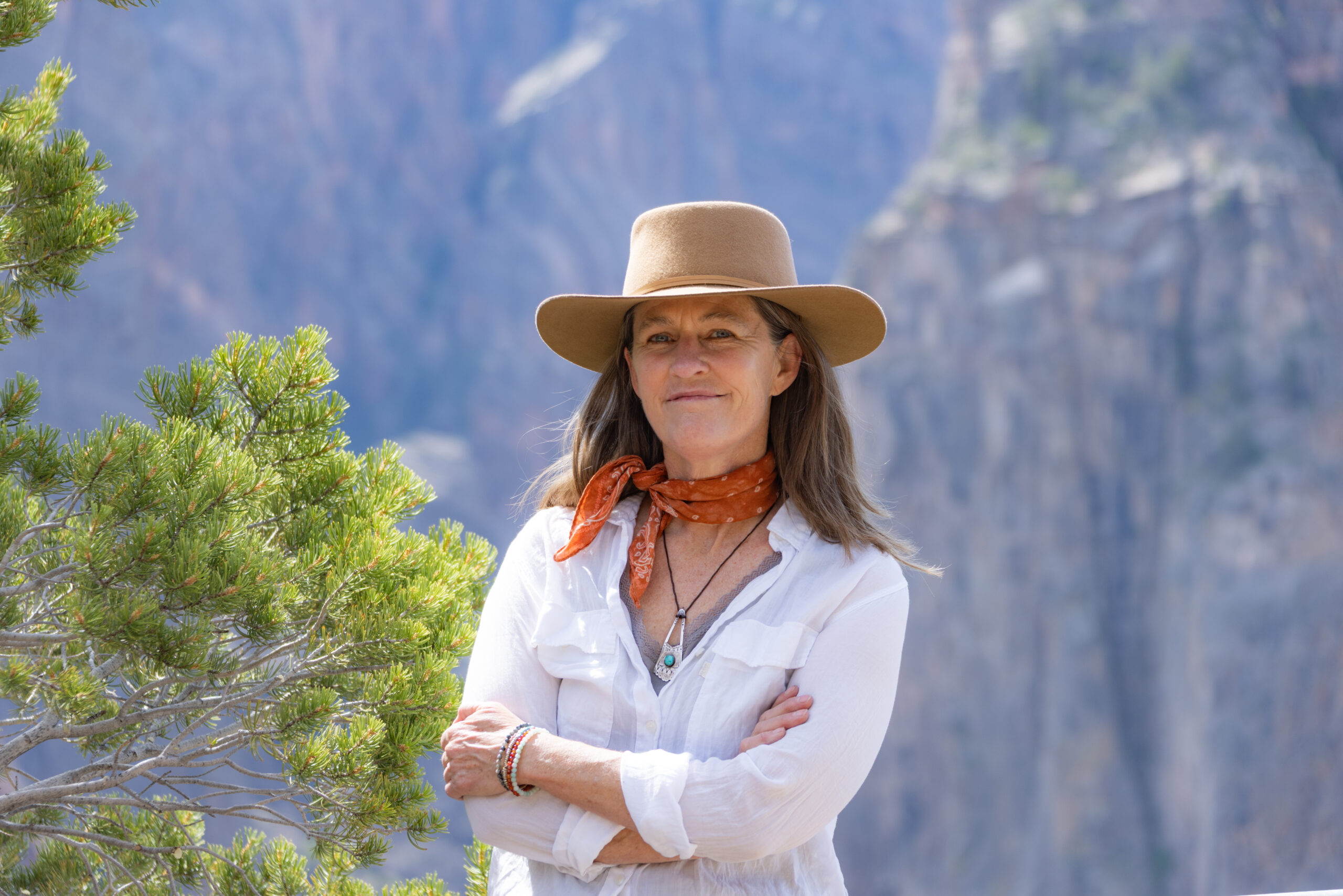
Long-time Utah resident and author Amy Irvine has previously focused on the landscapes of the American West, the protection of public lands and our complicated relationship with the natural world. The shift from environmental writing to memoir may seem unexpected, but for Irvine, the two subjects are deeply intertwined.
Through a vulnerable account of postpartum and motherhood, Almost Animal follows Irvine as she confronts difficult truths not just about herself but about the women who came before her. Irvine does not attempt to simplify the complicated legacy of her Mormon ancestors but does connect their experiences with her own.
For Irvine, understanding that inherited history meant asking difficult questions about where her family came from, how their wealth was acquired and who lived on the land before them. “This is perhaps the most difficult thing I’ve ever done,” she says. “But the amount of peace and sense of belonging and groundedness that I feel from having to wrangle with it was worth every minute.”
Throughout her life, movement had always been a priority, but connecting with her body became more difficult as a new mother. In the book, she describes going horseback riding and, for the first time in a long time, feeling fully embodied. Similar to movement, writing had become a way to return to herself. Irvine describes that when approaching her memoir, she wanted to depart from a purely intellectual perspective. A part of her writing process includes reentering a scene through its sensory details and slowing down a moment until its emotional weight can be felt. “The sensual always leads to the emotional and the visceral,” she says.
Irvine’s experience with motherhood is particularly gut-level throughout Almost Animal. Irvine is exceptionally vulnerable in her experience of childbirth and the early years of motherhood, where she began to reckon with the enormous weight of past trauma. In one particular passage, she reflects on why she dissociated after the birth of her daughter. She writes about trying to shield her daughter from lineages running through her own body, while fearing they were flowing into her anyway.
When asked what she hopes daughters will take away from the book, she reminds readers that “It is easy for us to feel like we were abandoned or rejected by our mothers, but there’s decades, if not generations, of women having pressure on their nervous system.”
She hopes that mothers and daughters alike will understand that they aren’t necessarily the problem, while also knowing that our mothers were shaped by circumstances that may have hindered their ability to nurture. She describes that this will allow for compassion and accountability. In her conversations with Indigenous activists and writers, she has absorbed the idea that the personal work we do can help heal intergenerational trauma. “I find so much solace in that,” she says.
Utah readers might have a particularly interesting reading experience. Her connection to Utah extends well beyond the subject matter of the memoir. Irvine attended the University of Utah, where she majored in women’s studies. She worked locally for Patagonia and from there became involved in local advocacy to protect Utah’s public lands.
Through familiar landscapes and deeply personal stories, Irvine asks readers to consider not only the place we live but how our interaction with nature informs who we are. “We’re not going to save the planet, let alone protect our monuments and wilderness areas, until we understand how interdependent we are,” she says. “Everybody matters, every place matters, every species matters, and we learn a strong ethic of care for one another.”
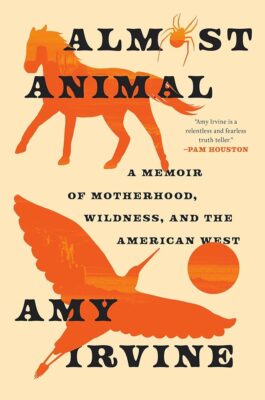
Almost Animal will be available Nov. 10. Signed copies can be ordered via The King’s English Bookshop, or by attending the ticketed author event Nov. 12 at Salt Lake City’s Church and State.
Read more about SLC’s local authors:
An Interview With the Editors of The Book of Once Mormon Women
Her Kind: Sophie Lefens’ Debut Novel and the Mysticism of Maternity
Want more bookish articles from SLUG? Consider joining our community of donors!
