Art in Experimental Places: Ben Bloch and Carol Sogard
Arts
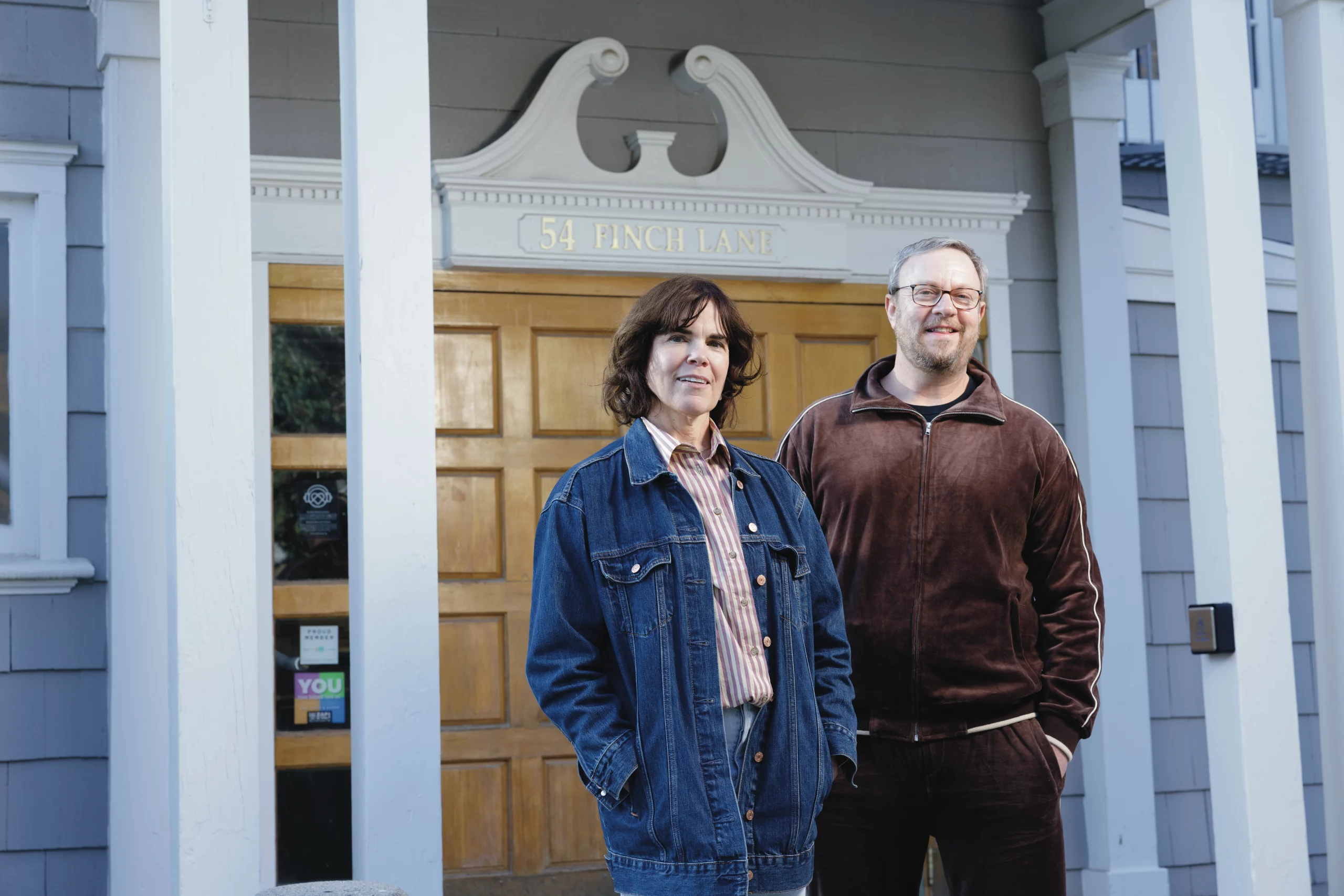
As human beings, we are attracted to all things new. Though, according to Carol Sogard and Ben Bloch, the concept of “new” isn’t so simple. At Finch Lane Gallery, the two local artists explore the relationship between what is new and used, and how what is used can be artful. In separate exhibits, Bloch and Sogard explore the excitement of innovation, meditate on similarities between the man-made and natural worlds and encourage reflection on our own wasteful habits.
“In as much as art attempts to reveal something new, unseen or formerly obscured, I feel like technology operates similarly”
Bloch is a landscape painter who lives part-time in both Salt Lake City and Montana. According to him, any process that transforms or reveals an idea can accomplish what a traditional painting intends to accomplish: to create a physical representation of space. In Make Me a Landscape, Do Not Include Any Sky, Bloch explores how to fulfill this goal by incorporating artificial intelligence into his inspiration. “In as much as art attempts to reveal something new, unseen or formerly obscured, I feel like technology operates similarly,” Bloch says. To pursue this concept, Bloch worked with John Brownell, a programmer, to create their own closed-circuit AI image model trained only in Bloch’s past works.
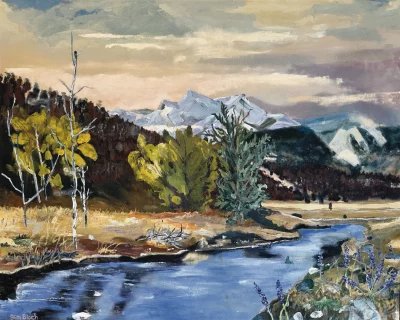
Through a sort of input-output exercise in self-reflection, Bloch used AI-generated paintings in his own likeness as prompts. From the generated images, Bloch recreated the scenes in large-scale, handmade paintings. This effort explores the idea of a “prompt” and its transformative nature. According to Bloch, just as a landscape painter might use a photograph as a prompt, or an abstract painter might use an emotion, this use of technology showcases a new and intriguing way to inspire an artist’s practice.
“Art often has some kind of transformative effect,” Bloch says, “whether you’re transforming the way people think about things, you’re transforming literal, physical materials or you’re transforming the output — in this case — to something that’s handmade and reinterpreted.” Bloch hopes his work prompts viewers, regardless of their opinion of AI, to contemplate the reflective nature of the technology and how it can be used in interesting and almost cyclical ways.
Sogard has spent years exploring the concepts of sustainability and consumer waste through her artwork and in the design program at the University of Utah, where she is a professor. The relationship between consumerism and sustainability is complex, according to Sogard: “As a human, you’re a consumer, and we don’t have a choice. That’s just how we’re built, right? That’s how we stay alive. From the perspective of teaching sustainable design … We look at, how can we be more conscious consumers?”
“What is right under your nose is not always what it appears to be”
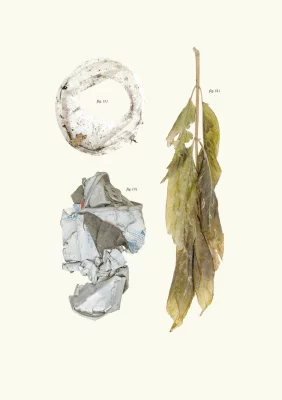
Sogard began collecting “man-made and organic remains,” whether nature’s waste, such as a dead leaf, or human waste, such as a dropped button or crumpled paper. Sogard describes them as modern-day fossils. In a sort of documentary process, Sogard began photographing these items. “When a leaf falls off a tree and it dies, that’s nature’s version of us dropping something on the ground or leaving something [behind],” she says. By demonstrating this similarity, Sogard asks the audience to reflect on their own consumption and to be attentive to their behaviors.
Through a mix of collage work, design, sculptural and found-object displays, Sogard invokes the feeling of a natural history museum, showcasing how consumer waste interacts with the natural world. The exhibition asks the question: Do we really need all of these things to survive? The exhibit, titled A Pictorial Atlas of Fossil Remains, asks viewers to remove the degree of separation between themselves and their garbage. “What is right under your nose is not always what it appears to be, you know?” Sogard says. “Some of these objects — they almost seem like they’re natural, but they’re not, so just really [think] about what you see and [how] you consume.”
The exhibition runs through Feb. 20 at Finch Lane Gallery. To learn more about Ben Bloch’s work, visit benbloch.com. To see more of Carol Sogard’s work, visit carolsogard.com.
Read about past exhibitions by Utah artists:
I Exist Because They Survived: Artists Unpack Assimilation at Material Gallery
Reclaiming Heritage, Reimagining History: SLC Artists Manifest Their Own Destiny
