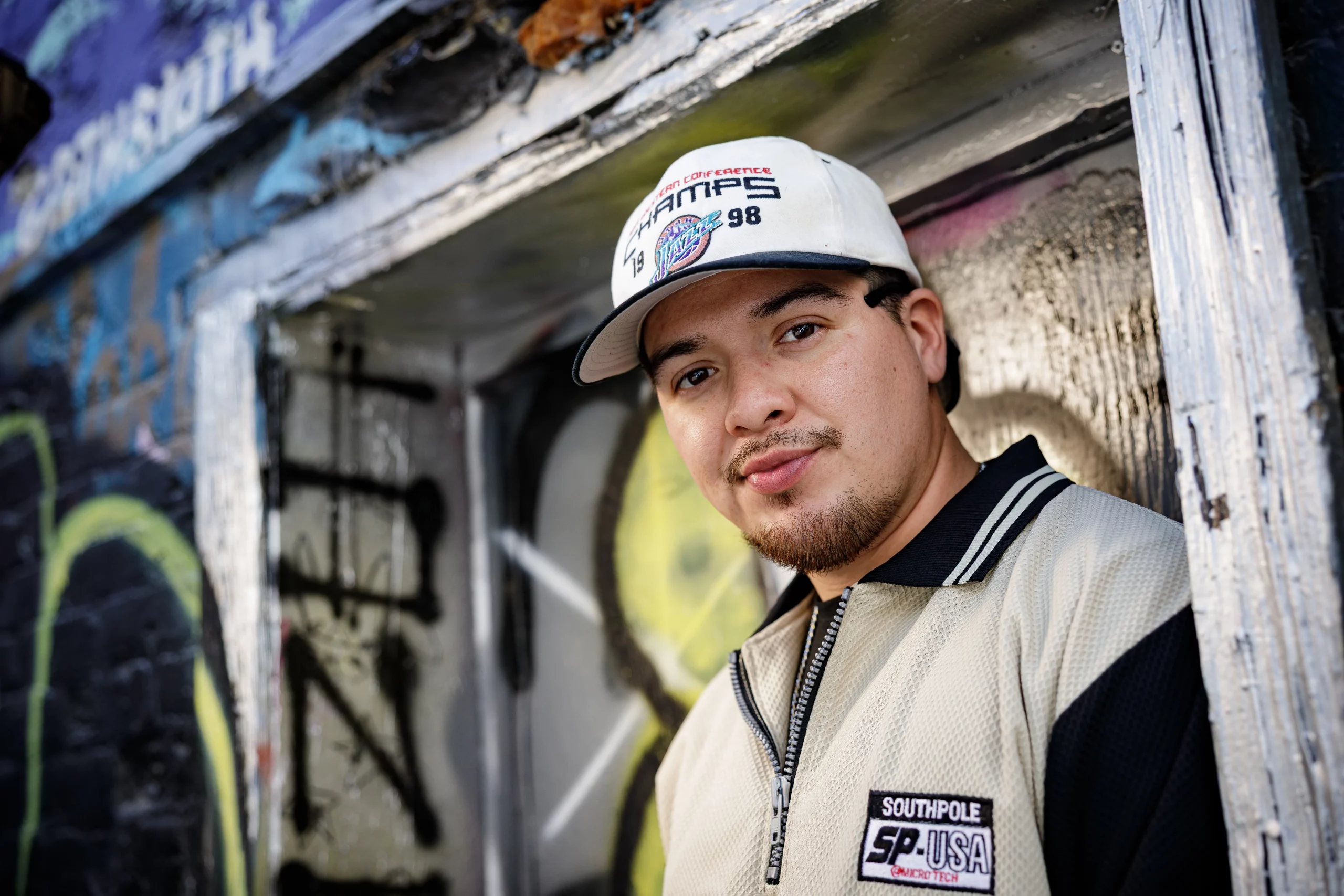
Beto Conejo’s Road to Creating Utah Day of the Dead
Arts
Beto Conejo, born in Guanajuato, Mexico, has lived in the Salt Lake City metro area for most of his life. He was introduced to art at an early age, which has since shaped his identity. “I was in second grade and I saw people drawing on the wall,” Conejo says. “My brother was assessing if it was safe to go around, and they waved us over, gave us brushes and we started painting.”
“Over here in the United States, art is coupled with entertainment and business. Over there, art is coupled with culture — this is how we are, our identity.”
This experience had a lasting impression and he eventually gravitated to street art. “I had a graffiti era, and I ended up learning that I’m not afforded the same level of grace for those types of petty crimes because of my [immigrant] status,” he says. “I had to transition to something else.” In 2018, Conejo realized that art could be a viable career path, and he began to pursue it.
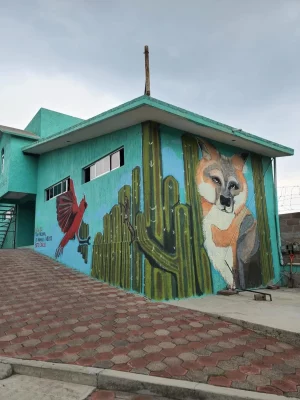
In 2023, Conejo returned to Mexico for his “National Mural Tour,” painting ten murals across the country. His project was sustained by crowdfunding and the generosity of strangers who offered him accommodation, helped source supplies and connected him with opportunities. His tour reinforced the idea that art doesn’t happen in isolation; it thrives when the community rallies around it.
“I had a graffiti era, and I ended up learning that I’m not afforded the same level of grace for those types of petty crimes because of my [immigrant] status.”
“Over here in the United States, art is coupled with entertainment and business. Over there, art is coupled with culture — this is how we are, our identity,” he explains. In Mexico, muralists are held in high regard, and Conejo noticed the reverence people treated him with. Mexico’s mural tradition goes back to the 20th century, when artists like Diego Rivera helped shape national identity through public art. “It’s a labor of love, but it’s also a responsibility to the community and to the identity of whoever it is that you’re representing on that wall,” Conejo says. “It’s not just colors and decoration and uplifting little messages.”
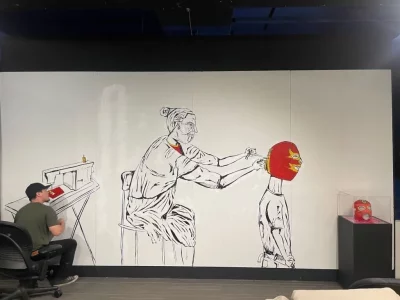
After returning to the U.S., Conejo was left asking himself, “What is my social responsibility as an artist, now that I know that I have one?” Realizing he was in a unique position as a Mexican artist in Utah, Conejo decided to organize an inaugural Utah Day of the Dead festival in Salt Lake City. Día de los Muertos, or the Day of the Dead, is a holiday celebrated in Mexico where families honor their ancestors by coming together, leaving offerings at altars and celebrating the lives of those they have lost. The event is designed to celebrate cultural traditions and provide a space for collective grieving for the Mexican and Chicano populations here.
“It’s a labor of love, but it’s also a responsibility to the community and to the identity of whoever it is that you’re representing on that wall.”
The festival is rooted in three pillars: ceremony, ritual and celebration. “It’s a reminder we’re not a monolith,” he says, highlighting the diversity within Mexican culture. “I want to create a platform that allows these high-caliber artists to showcase for the community what it is that they’re all about.”
Conejo was awarded The Blocks Arts District’s Co-Create grant, which is aimed at introducing more public art and cultivating community in downtown. Conejo collaborated with FICE Gallery, a longtime hub for emerging artists in the city, as well as Copper Palate Press, which has been instrumental in the development of this festival and in allocating space for the festivities.
“I want to create a platform that allows these high-caliber artists to showcase for the community what it is that they’re all about.”
The festival will celebrate the diverse ways that individuals with Mexican heritage exist in Utah. An ofrenda, or altar, will be present for people to leave offerings to honor the lives of loved ones. Murals will be painted on the walls by Conejo and other artists, papel picado will be strung and a marigold alley will welcome visitors. Lowriders, culinary offerings, folkloric dancers and a Mariachi band will all reflect contemporary Chicano culture and its historical Mexican roots.
The long-term goal is to grow the festival into a cornerstone of Salt Lake City’s cultural celebrations. Utah Day of the Dead is open to the public and will take place on Nov. 1 at 7 p.m. at FICE Gallery. For updates about the festival and to keep up with Conejo’s work, follow @betoconejo_ on Instagram.
Read more about local artists:
Made by Hand: How Shelby Pence Made a Career in Printmaking
Common Shred: Take the Art off the Wall and Ride It
