Rod Davis Lurie Lights Up Lucky Strike
Arts
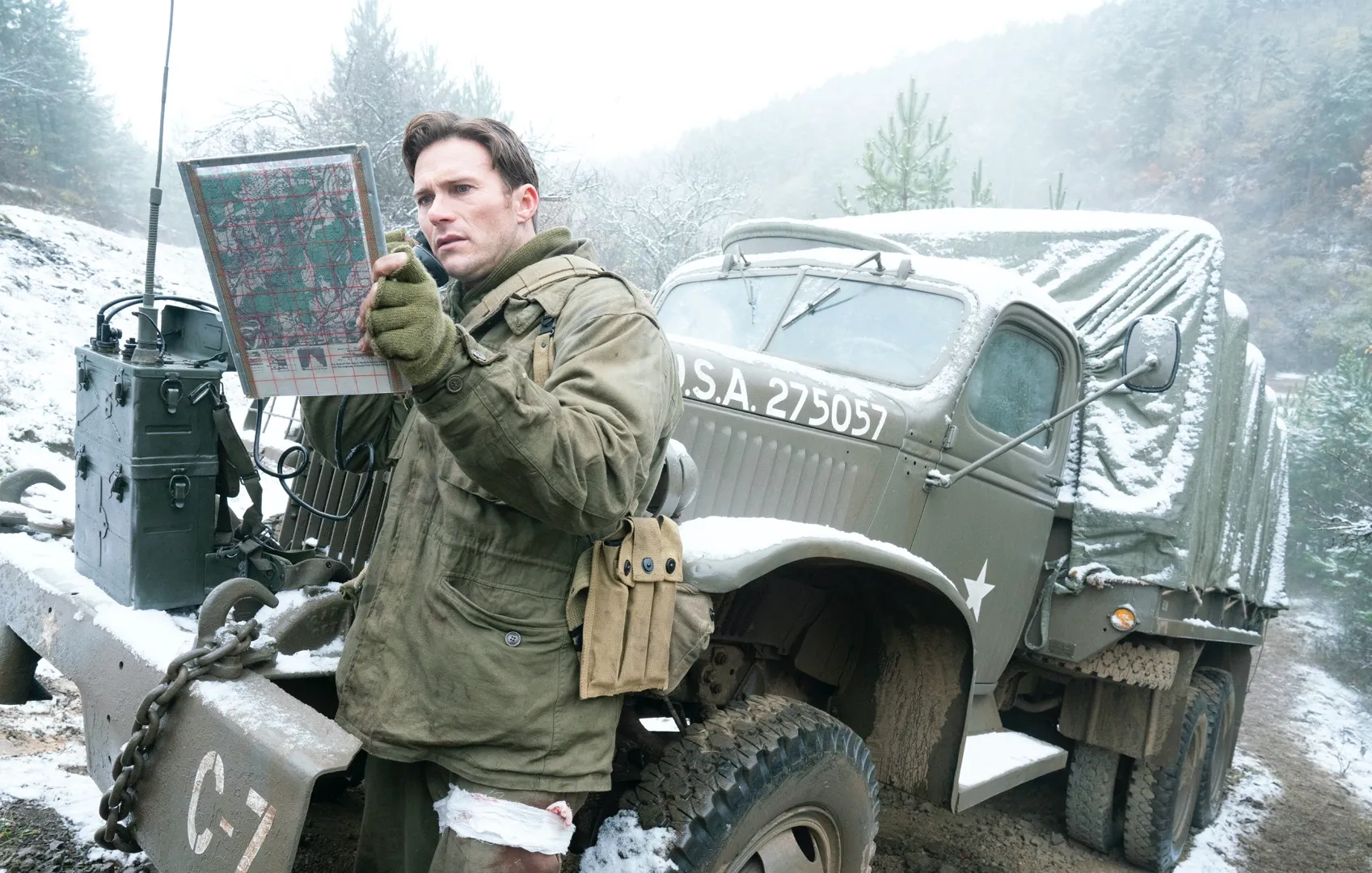
A great storyteller never really knows where their next idea may come from. Director Rod Davis Lurie’s new film Lucky Strike wasn’t born in a writers’ room or from a history book. Instead, its roots stretch back decades to a remarkable conversation between a French teenager and an American World War II veteran.
“It began when my producing partner was 16 years old,” Lurie says, referring to producer Marc Frydman, whose collaboration with Laurie goes all the way back to The Contender in 2000. “He’s French,” Lurie says. “He was in his French school, and the school had brought over, as an academic exercise, a bunch of veterans from the Second World War from the Battle of the Bulge. And they had the students interview them.” One veteran’s story stayed with Frydman, who, Lurie says, “probably said to himself… ‘This is gonna be a great film one day.'” Years later, Freeman turned that account into a screenplay about an American soldier, Captain John Castle, stuck behind enemy lines with nothing but tenacity and a newly issued SCR-300 field radio to get him to safety.
Lurie dreamed of making a movie that evoked the classic World War II adventures that he grew up on, such as The Guns of Navarone, Where Eagles Dare, Von Ryan’s Express and The Great Escape. “These movies obviously dealt with a very serious event in world history, but you could be entertained as you’re watching it as well,” Lurie explains, adding that he believes that World War II offers a unique backdrop for that approach. “It’s the easiest war to do that with, because there’s no nuance in who the bad guys are,” Lurie says. “There’s no sympathy with the enemy in any way.”
Lurie also wanted his film to make a distinction between history as we remember it and history as it’s experienced. Although Lucky Strike opens in black and white, that wasn’t the original plan. “The decision to go black and white wasn’t determined until after I shot the movie,” Lurie explains. “When you think about the Battle of the Bulge, or almost anything in World War II… it’s a hundred percent black and white.” Because the opening depicts events objectively, outside the perspective of its hero, Lurie felt monochrome reflected how audiences collectively remember the war. “The minute we go into our hero’s point of view… when you look at life… do you see it in black and white? In color? … I wanted the audience to experience John Castle’s experience the way that he sees it,” Laurie says. “It’s very much from the first person. So that has to be in color.” The shift, he says, creates “the difference between an objective look and a subjective look.”
Like many of Lurie’s films, Lucky Strike centers on an individual standing alone against overwhelming odds, a theme he admits has followed him throughout his career. Pointing to The Contender, he recalls Joan Allen‘s line that “principles only matter if you stick by them when they’re inconvenient,” calling it “the very definition of being one person against the world.”
Before becoming a filmmaker, Lurie built his reputation as a film critic, an experience that profoundly changed how he views criticism today. “My main goal was to become a well-known critic,” he says. “My path to that, a little bit, was being an asshole and trying to be funny.” Looking back, he regrets much of that approach. “I often say stuff I really regret right now. Because I didn’t understand how difficult a job this is.” Having directed films himself, he now understands the emotional investment behind every production. “Even when you make a failure… you’re working so hard, and you’re so emotionally invested and then somebody just waltzes in and belittles you,” Lurie says. While he doesn’t object to thoughtful criticism, dismissive reviews leave a lasting impression. “It’s deflating,” Lurie says simply and credits accomplished critics such as David Denby, Manohla Dargis and Joe McBride with showing him what substantive film criticism could be.
Lurie’s most personal change came away from the camera. After his wife, bestselling novelist Kyra Davis, adopted the surname Davis Lurie, he decided the partnership should go both ways. “I love my wife in ways that I would be surprised if most people do,” he says. “She changed her name… and I said, ‘We’re partners.'” So, late in his career, he legally became Rod Davis Lurie. “That’s what I’ll be forever.”
For Lurie, Lucky Strike is more than a war movie — it’s a reminder that the best stories come from lived experience, hard-earned perspective and a little creative risk. From the black-and-white opening to the color of one man’s point of view, the film captures exactly what he’s always chased: a big, entertaining adventure with something human beating at its center.
Read more film interviews conducted by Patrick Gibbs:
Pat Scola Hits A Bullseye with The Death of Robin Hood
Eben Bolter on Shooting Cape Fear
To help SLUG continue covering upcoming films, consider becoming one of our donors!
