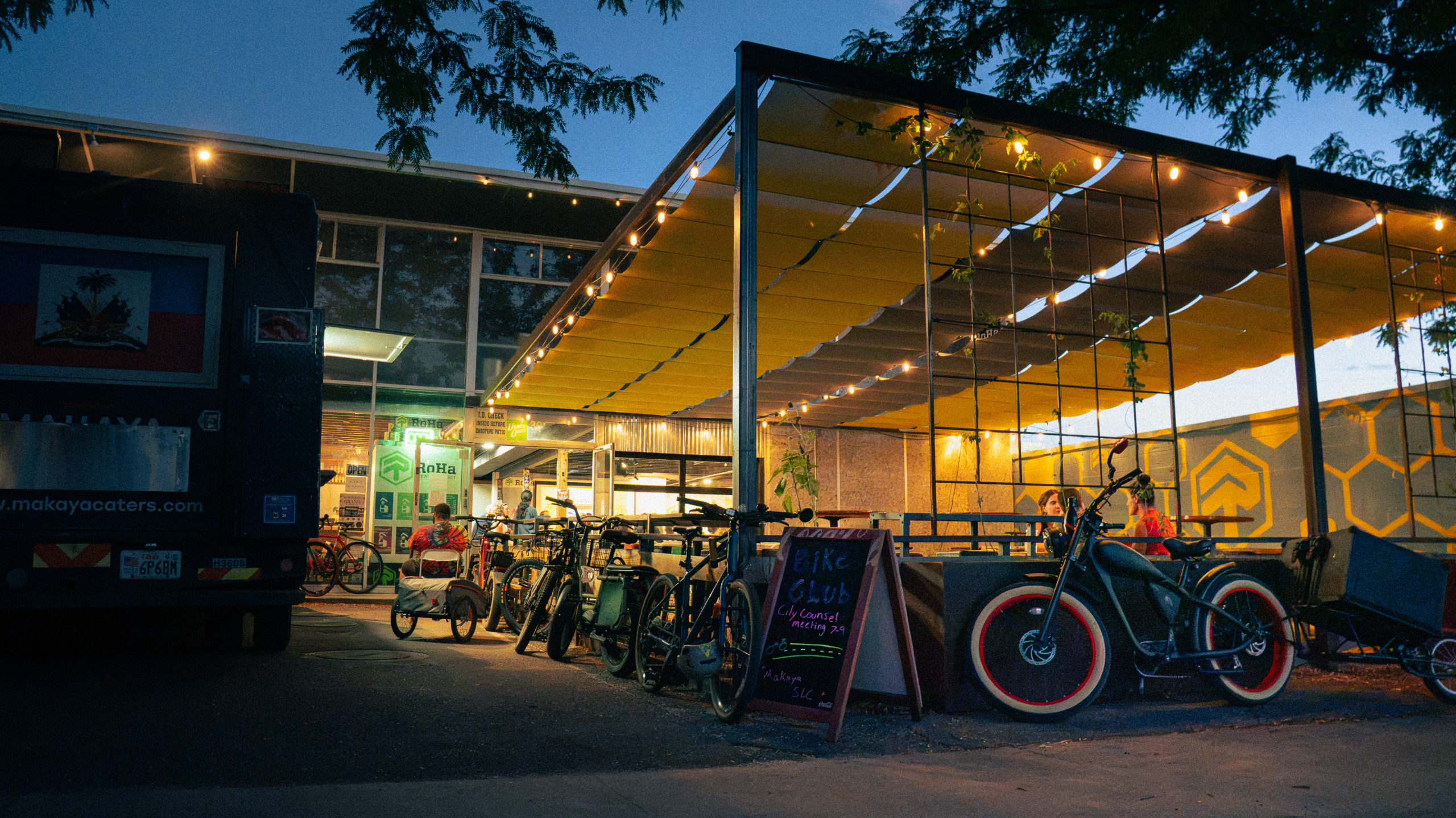
999 Ride Panel Discussion @ RoHa Brewing Project 08.17.2026
Bike / BMX
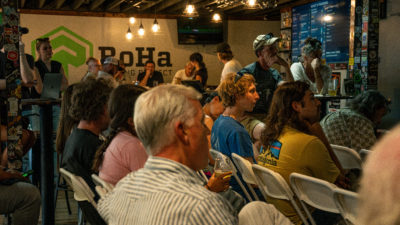
Weathered bikes rested under trees and against poles outside of RoHa Brewing Project last Monday evening. Inside, a panel discussion about the future and safety of Salt Lake City’s 999 Ride was underway. The panel consisted of City Council members Dan Dugan and Erika Carlsen, Deputy Chief Bill Manzanares, Transportation Planner Kyle Irvin and long-time 999 Ride participant, Jeff. The discussion was facilitated by Lucas Matelich, the founder of Unplugged Bike Club. While only around half of the seats in the room were filled, everyone in attendance was highly focused on the discussion.
The 999 Ride began 15 years ago when a small group of friends got together at the intersection of 900 S. and 900 E. in SLC at 9 p.m. to ride their bikes around town. Word of mouth has brought the group’s numbers up and through the hundreds over the years, and the Critical Mass ride is now a Thursday night staple in the Salt Lake community. The 999 Ride has no official leadership (although it has an anonymously-run Facebook profile that posts updates) and its route isn’t planned beforehand, but hundreds of people of all ages still show up week after week for some fresh air, socializing and exercise. The ride also acts as a form of protest against gas-powered vehicles and car-centered infrastructure, promoting sustainable transportation. While the ride has brought the community together, it has also “outgrown its structure a little bit,” according to Irvin.
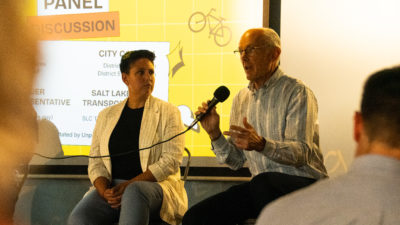
Jeff and Deputy Chief Manzanares shared their observations about how the massive quantity of 999 Ride participants has posed numerous safety concerns, such as bikers getting caught in the middle of busy intersections and being trampled in the rush. With that, the ride has also disrupted the lives of SLC residents. Carlsen says that she heard many concerns from residents about the loud noise and vandalism of the 999 Ride while canvassing for her City Council campaign last fall. Deputy Chief Manzanares shared that the police had responded to multiple reports of property damage caused by riders, such as kicked-in side view mirrors. It also seemed an unspoken fact amongst all of the panelists that some of these riders were drinking and using substances during the ride, and that a few “bad eggs” who pushed things too far were ruining the vibe of the 999 Ride for the rest of the group.
In response to this, the police began monitoring the ride more closely. In June, they dispatched nearly 30 police officers on various Thursday nights to surveil the scene. Logically, their presence has received backlash from the 999 Ride community who find it excessively dampening.
The panelists and citizens suggested numerous solutions, debated them and left them hanging in the air. Among the ideas discussed, a pre-planned 999 Ride route could allow for more specific traffic accommodations at the hands of the police and could help residents anticipate transportation delays. Specific intersections along 700 E. and State Street (amongst the most dangerous streets for ride participants) could be selected as crossing points for the group and given greater crossing accommodations. Repeating key words and phrases shouted by those in the front of the mass could help bikers toward the back understand what’s coming up, thereby helping them all make safer decisions.
Appointing leadership for the 999 Ride could help the city government and bikers collaborate and communicate more effectively. A few police officers could ride on e-bikes within the critical mass itself, having a less-intimidating presence. Everyone at the panelist discussion could join the next ride and help set a greater culture of safety, respect and friendliness through their own attitude and behaviors. Deputy Chief Manzanares suggested that the ride could be a quarterly endeavor instead of a weekly one, as then the police department may have more resources to organize safe traffic routes for riders. This suggestion wasn’t very popular, as indicated by a couple deep sighs around the room. Matelich summed up the discussion by observing that the future of the ride was still caught “between a rock and a hard place,” as each proposed solution (besides the sure and steady art of culture-building) clashed somewhat with the ethos of Critical Mass bike rides themselves.
The question remains: How can the community respect and maintain the integrity of the 999 Ride while simultaneously finding solutions to its unfavorable consequences? Despite the discussion ending rather inconclusively, it was evident from the care and determination of everyone present that the 999 Ride would continue if they could help it — and they will. —Sarah Armstrong
Read more about the local happenings of SLC:
The 18th Annual Craft Lake City DIY Festival Presented by Harmons
More Than the Minimum: Disability Access and Beyond in SLC
To help SLUG continue bringing you coverage of community events, consider joining our community of donors!
