Uranium, National Monuments and Utah’s Atomic Legacy
Activism, Outreach and Education
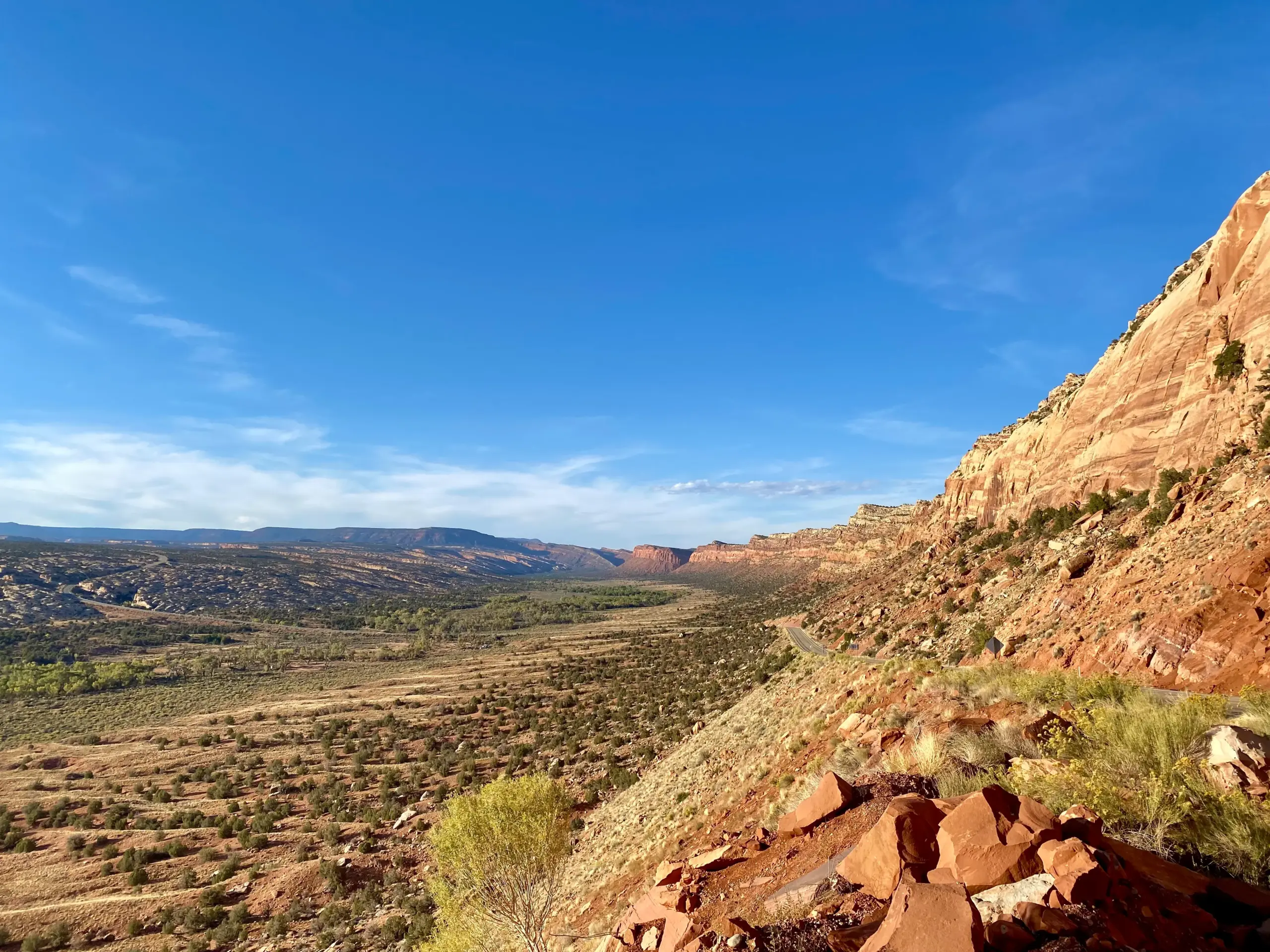
Who has driven past Moab into the glorious lands of Grand Staircase-Escalante and Bears Ears? The high desert of deep greens, reds, tans and towering sandstone holds some of the most spectacular landscapes in the country and thousands of years of ancient — along with present-day — human history. But these lands also hold another history: Utah’s role in the nation’s atomic age.
During the Cold War era, much of southern Utah and the broader Colorado Plateau became a center of uranium mining that helped fuel the development of nuclear weapons. I spoke with Deena Ute, a Ute Mountain Ute Tribal member from the White Mesa Community and Executive Director of A’Nuche, a nonprofit organization that focuses on preservation of Ute culture, language and land stewardship in White Mesa, Utah, about these lands.
Uranium is a naturally occurring radioactive metal found in the earth. Its radioactive properties are some of the main components used in the nuclear industry. “Uranium plays an important role while it is within the earth. When it is mined, it becomes toxic to our bodies and all living life forms on the surface of the earth,” Deena says. The discovery of uranium in Utah brought miners and businesses rushing into the region before the industry eventually collapsed.
The mines closed, but the contamination did not disappear. The uranium boom brought temporary income into rural communities, but many of the people who mined, milled and transported uranium were not adequately protected from radiation exposure. Today, more than 500 abandoned uranium mines remain on or near the Navajo Nation, along with contaminated homes and water sources.
Uranium exposure can cause well-documented, adverse health effects, including lung cancer, bone cancer and impaired kidney function. Deena says, “Today, we understand that uranium is not as safe as pro-nuclear energy experts say it is. There are many Indigenous people who have or had health issues due to uranium directly and indirectly. Uranium is on and near most tribal reservations.”
This is part of the reason uranium mining is not simply a story about an old industry. For many Utah and Indigenous communities, the consequences of the industry are still being dealt with today. Deena remembers: “My grandmothers and aunts told me that there were still open mines near Bears Ears. They have left open mines and ruin in a place of nature and harmony. Everyone else in the surrounding communities had wealth except for the Indigenous people. My people only inherited health issues, contaminated water and contaminated air. To this day, we are still fighting for average water and air quality.”
Today, the U.S. and Utah are pursuing nuclear energy and the entire industry, including reviving uranium mining, which is where Bears Ears and Grand Staircase-Escalante come in.
When Bears Ears and Grand Staircase-Escalante National Monuments were reduced by over 90% in size this past summer by an executive order, tribal nations, conservationists and others raised concerns about opening these lands to mining and extraction industries. Deena says, “The extraction of rare earth minerals will harm every human, protected wildlife and the entire ecosystem. All people should consider the greater negative impacts of contamination on our environment and look at the true impacts, which include destruction of graves, artifacts, ruins, fossils, endangered species and climate change. These all outweigh the need for economic growth in this sector.”
As interest in uranium grows again, we need to be proactive in protecting communities, water, wildlife and culturally significant landscapes when those resources are extracted. Deena reminds us: “We as human beings cannot exist without our ecosystem or Mother Nature. The fact is that our ecosystem, Mother Earth and Mother Nature can exist without the human kind. We need to remember that we are just a very small, unimportant part of this ecosystem.”
Utah is home to the only operating uranium mill in the country, the Energy Fuels White Mesa Mill near Blanding, UT and five miles north of the Ute Mountain Ute White Mesa Reservation. This year, consider joining tribal leaders and allies on Saturday, Oct. 17, 2026, in White Mesa, UT, for the 10th annual Spiritual Walk and Protest against the uranium mill – learn more at protectwhitemesa.org. —Carmen Valdez
Read more by Carmen Valdez:
Where Adrenaline Meets Soul: Stories from the Wasatch Mountain Film Festival 2026
Elevate’s Mission to Make Politics Less Intimidating, More Optimistic & Impactful
If you enjoy SLUG’s coverage of local communities, consider joining our community of donors!
