Building a Unique Musical Identity in Salt Lake City
Music
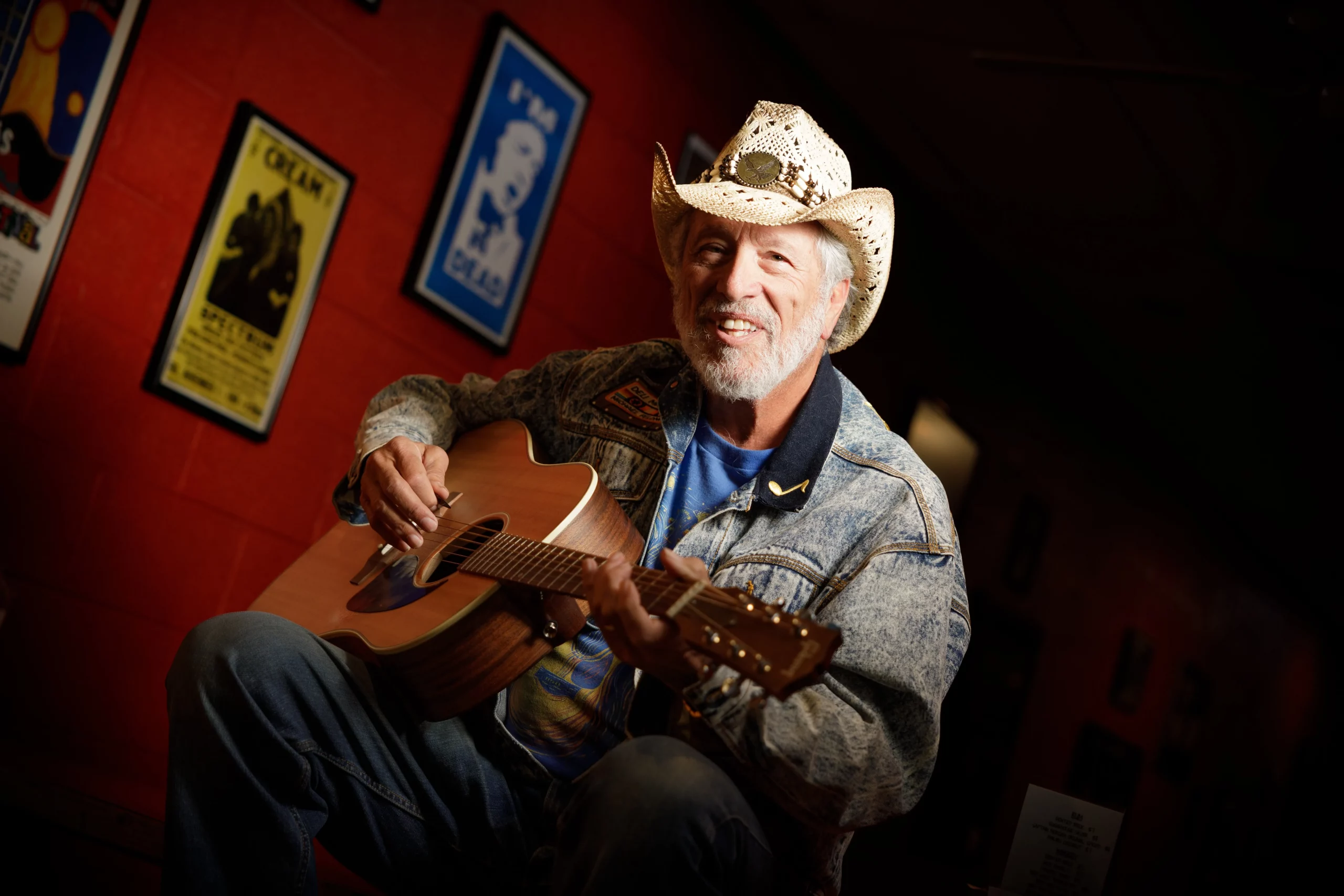
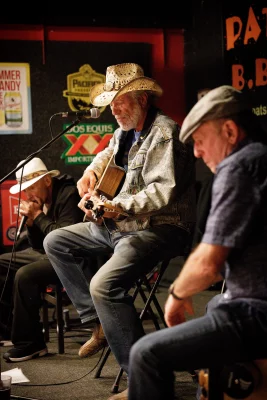
As an acoustic blues musician who has been playing in Utah, Wyoming and Idaho venues for the past 12 years, I’ve witnessed firsthand some of the incredible talent of the local music scene, including blues, country, rock, folk, bluegrass and indie. Plus, I produce shows and hire musicians for the Utah Blues Society, the Intermountain Acoustic Music Association, Pat’s Barbecue and Feldman’s Deli.
Still, I’m perplexed that many cities have a unique musical identity, while Salt Lake City does not: There’s Memphis and Chicago (blues), Seattle (grunge and indie), Austin and Nashville (country), Detroit (Motown) and New Orleans (jazz). But when non-Utahns think of Utah music, only The Osmonds or the Tabernacle Choir come to mind, even though great talent like Neon Trees, Imagine Dragons, Royal Bliss, Tony Holiday, Jordan Matthew Young, Eric Heideman and Pixie & The Partygrass Boys have developed here. However, they all left Utah to grow their careers.
All this to say, we have plenty of talent in SLC, but not a unique musical identity. To create a unique identity and grow the necessary critical mass, considerable investment and coordination is needed from four committed parties: the performers, the venues, the city and the audience. It takes all entities together to have a successful and healthy musical identity. For most Utah musicians, performing is only a part-time gig — since compensation won’t cover the cost of living, they cannot give up their day job.
For most venues, performers are an added expense and do not always return any profit. For audiences, live music enhances time with friends and provides a unique experience every time. For cities and developers, it’s an opportunity to create marketable lifestyle and attractions. Look at the successes of Kilby Block Party and Grid City Music Fest (both of which only occur once a year). Live music adds so much to our culture and activates venues, businesses and communities, but with participation comes responsibility. To ensure a diverse and high-quality music community can exist, here is a list of suggested responsibilities all those involved in the music scene should take seriously.
Musicians
- Make sure you let your following know where and when you are performing.
- If you expect to be paid, then act professionally.
- Know the venue, stage and resources available before you arrive to perform.
- To start your show on time, show up on time to set up.
- Communicate effectively with the booking agent.
- Promote your shows and don’t overbook yourself.
- Be ready to perform (it is not time for practice or rehearsal).
- Treat your sound person with respect. If you have a great night, show appreciation.
- Show appreciation to the staff if you are provided meals or drinks.
- Be respectful to the venue management, staff and the facility itself.
- Develop a good rapport with your following.
- Respect and thank your audience. Don’t encourage bad behavior — read your audience and play to them.
- Look like you enjoy what you do!
- Don’t play for free! It hurts the entire music scene.
Venues
- Embrace music as part of your brand. Create a vibe that welcomes and encourages local, live music!
- Hire and embrace local talent — include them in shows with touring acts.
- Compensate musicians fairly.
- Hire musicians that help reflect your brand.
- Promote shows! Coordinate promotion and social media with performers.
- Provide adequate space and lighting for performers.
- Treat performers as professional contractors.
- Communicate with musicians effectively.
- Provide an on-site contact for performers.
- Don’t double book performers.
- Encourage your audience to show appreciation to the performers.
- Don’t offer performers to play for exposure — folks can die from exposure!
City
- With the Olympics on the horizon, be willing to invest in developing a unique music culture.
- Form partnerships with venues (with grants to help underwrite costs) to support local talent.
- Partner with local media to plan and promote local events.
- Work with local media to create centralized communication platforms to let audiences know what’s going on.
- Develop simple methods to help artists and venues promote shows.
- Create music-themed events to showcase local artists (concerts, festivals, workshops).
- Work with developers offering lifestyle amenities to invest in Salt Lake City’s cultural identity.
- Recruit corporate sponsors to invest in our identity.
Audience
- Support your favorite performers — this is how they make a living! Show up to performances and invite friends.
- Buy vinyl, CDs and other merchandise. If tipping is allowed, show your appreciation by doing so.
- Follow musicians on social media.
- Attend festivals and special events.
- If you’re at a ticketed show, respect the performers and other audience members.
- Pay attention to the performer — don’t ruin the show for others by talking or standing throughout the show.
- Support the venue, thank them for providing local, live music and show appreciation to service staff.
- Buy food and drinks if offered — that’s how they pay their performers.
- Share performance information with friends and family. Post about the experience on social media.
- Act responsibly and leave no trace.
We have an abundance of amazing homegrown musicians in Salt Lake City, with so much depth and variety to offer. As we ramp up for the next Utah Olympics in 2034, imagine the added value of a vibrant music scene. If we want to grow and reap the benefits of our local music identity, highlighting our talent and venues, we have to be willing to invest in it, grow it and promote it.
Read more about the Salt Lake City music scene:
Our First Local Show: Utah Bands Who Made It Big
Sean Baker’s Open Mic Manifesto
