Localized: Gracemaker
Interviews
Let’s rock this joint! Kilby Court isn’t ready for the hardcore hellstorm that’s about to be unleashed! Join us for SLUG Localized on Thursday, March 19 to see heavy-hitters Gracemaker and Nadezhda, with Macana as our haymaker opener. Be there or be square, dweebs! Grab your tickets here.
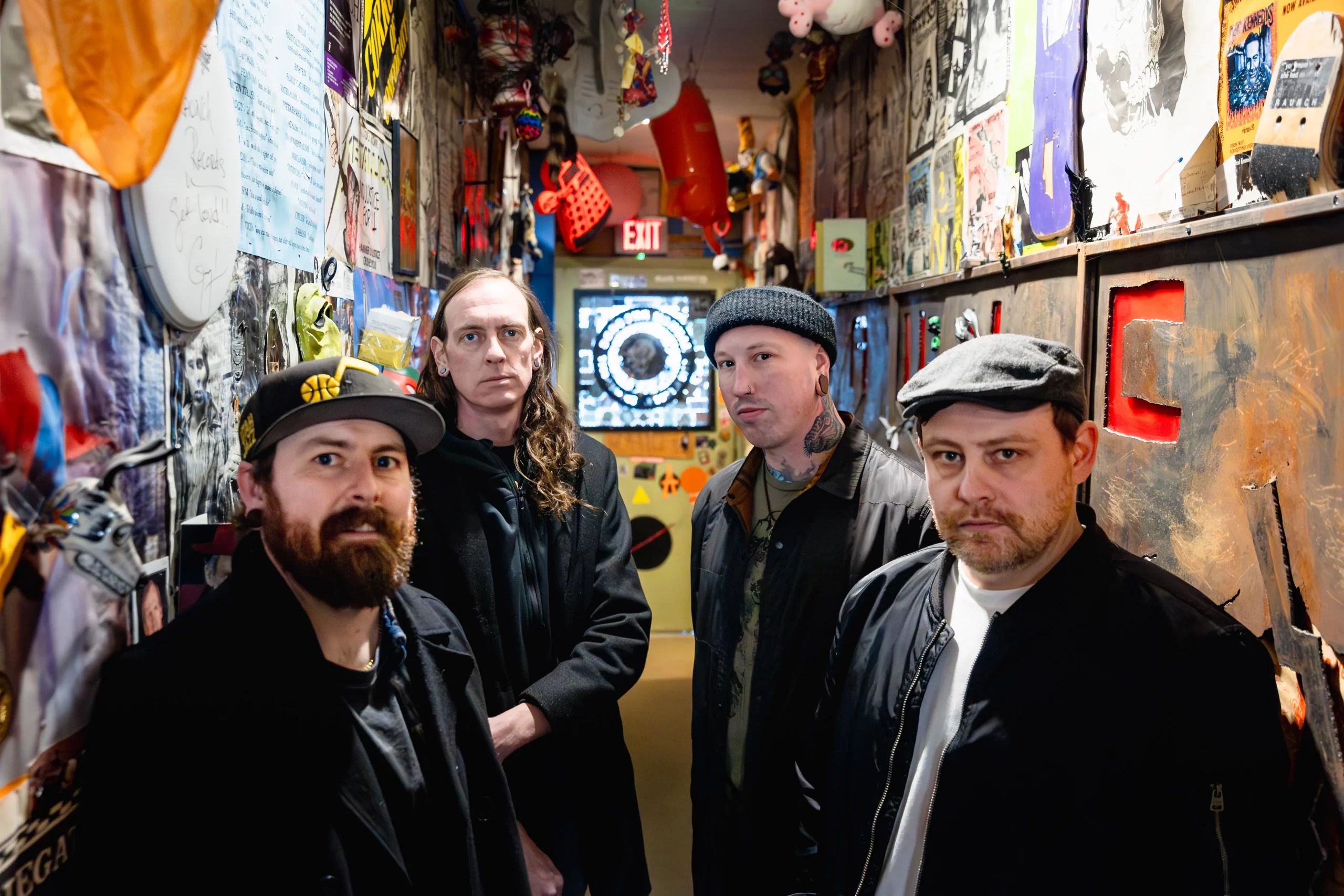
At the intersection of heavy catharsis and spirited, creative spunk lies Gracemaker, a four-piece outfit of Utah hardcore veterans who seek to continually expand not only their musical exploration but positionality within the local scenes they occupy.
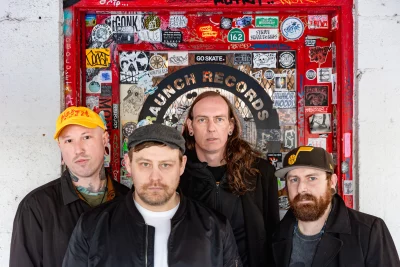
Founding members Matt Wiley (guitar) and Nicholas Bat (vocals) were familiar with each other from a distance from social overlap in the local music scene for nearly two decades before starting a project together. “Batty just reached out to me randomly,” Wiley says. It wasn’t long before bassist Darren Watts, a friend of Bat through work, signed on. (Watts coined the band’s name, inspired by a piece of drum hardware that looked akin to a Skyrim-esque weapon with which to bludgeon someone.)
Gracemaker now features Charles Bogus behind the kit, who had come to know Wiley over a decade prior when Wiley was a member of the hardcore band Starvist. While a musical collaboration between the two never came to light at the time, Bogus posted that he was in search of a band to play drums in, while Gracemaker was serendipitously seeking the right percussionist to round out the lineup.
“For this [band], anything’s on the table… not limiting ourselves to anything has been freeing.”
Gracemaker’s bandcamp bio summarizes the ethos of the group as “a collaborative effort between friends as a means to push not only themselves as musicians but what they could bring to the table bending multiple genres and influences.” After years of playing in bands shoehorned into the hardcore genre, the members of Gracemaker embrace the thrill and challenge of going beyond genre. “For this [band], anything’s on the table… not limiting ourselves to anything has been freeing,” Bat says. “[It’s] sometimes frustrating but very fun and silly at the same time… when you have all these goofy ideas like, ‘there should be a samba breakdown,’” he adds with a laugh.
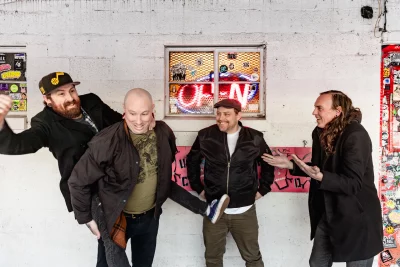
A key aspect of this approach is the utilization of varied instruments in both recordings and live performances. Bat played the tambourine between screams when I first saw them live, and Bogus tells me the group is headed on a Southern Utah songwriting retreat with an arsenal of instruments — including a trumpet and mandolin — in tow. Saxophone solos, an established horn section and keys all come up in the brainstorm of what might be in their future releases. To sample the genre-bending stew boiling in the cauldron that is Gracemaker, listen to “Charm,” a track which the members agree serves as a summation of their sound.
“I think we all push each other to do things to the best of our ability… everybody is pushing you to be the best at what you do.”
This openness to the new and unconventional creates the necessary push out of the collective comfort zone. “We have parts that are jazz-leaning a little bit,” explains Wiley. “We’re doing things outside of what you would normally hear in a hardcore band [like] any of us have been in before… you don’t know how people are going to react to that sort of thing.” Gracemaker embraces the uncomfortable, using it to push its members to grow to new heights. “I think we all push each other to do things to the best of our ability… everybody is pushing you to be the best at what you do,” Wiley says.
A collaborative, authentic and analog approach to songwriting allows Gracemaker to weave unique musical webs informed by each member’s ideas, but never dominated by any one. “When it’s a collective thing, it’s way more powerful,” Wiley says.
For Gracemaker, music is more than just an opportunity to flex creative muscles and have fun — it’s a necessary part of who they are. “If I go too long without [making music], it has a negative impact on everything in my life…I have to do it,” Bogus says. Wiley echoes this sense of necessity, emphasizing how the surrounding community creates a lifeline for many. “The community around [music] has been so important to me that it makes me, even now — being old and married and paying a mortgage … going to shows and having a band play a song that connects with you is the best thing there is.”
Read more past Localized interviews:
Localized: SWARMER
Localized: Seeking the Sun
