Local Review: J.P. Whipple — the next disaster
Local Music Reviews
J.P. Whipple
the next disaster
Self-Released
Street 09.05.2025
J.P. Whipple = Leonard Cohen + Daniel Johnston
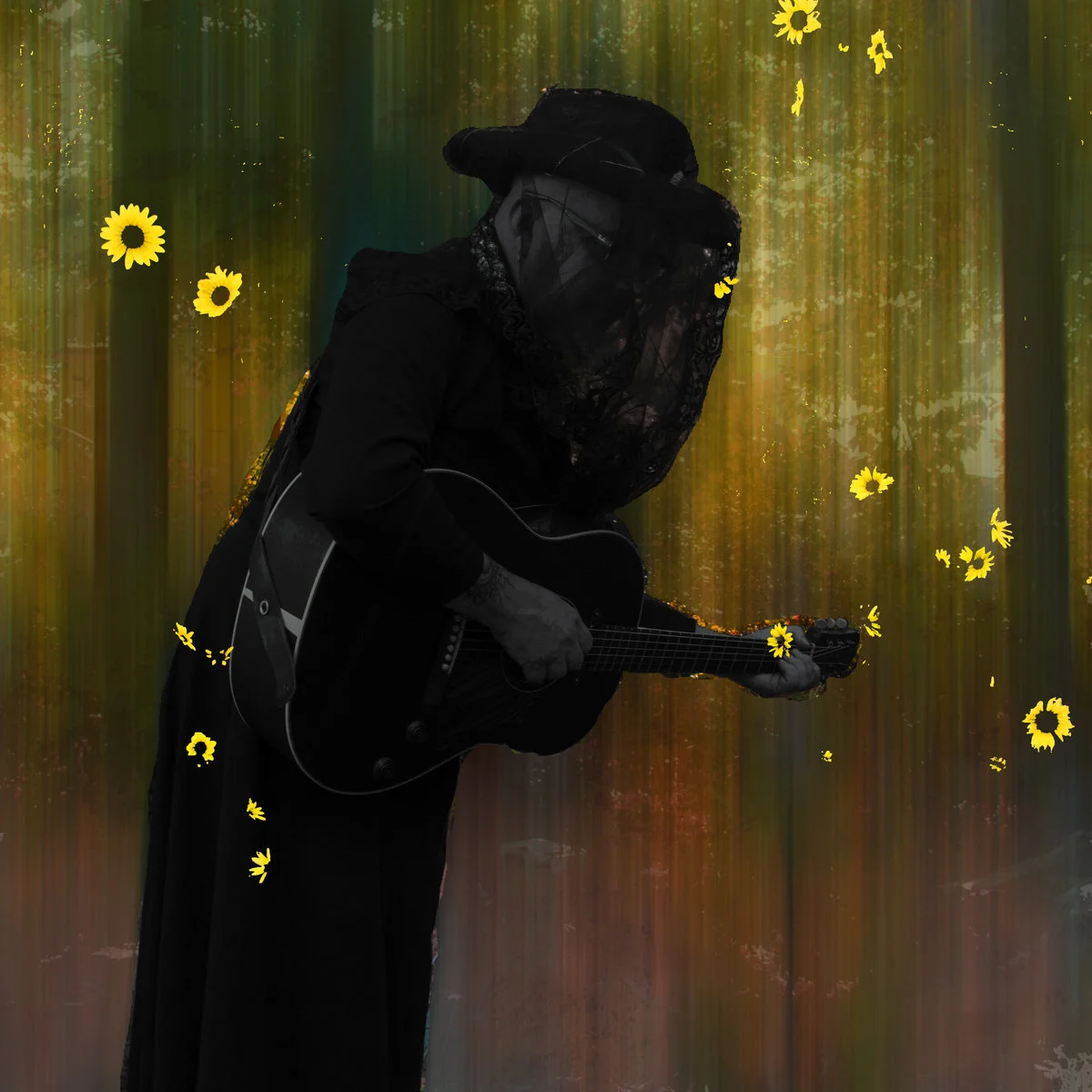
J.P. Whipple’s latest offering, the next disaster, is a viciously beautiful collection. This is a breakup album akin to Blood On The Tracks, with Whipple’s Dylan-esque vocals finding a way to sound good by not sounding very good, which makes it very relatable. I have a feeling I could sit with this record a hundred times and walk away feeling a hundred different ways, with whatever personal trials or tribulations being experienced during every listen getting amplified and flavored by the haunting resonance of each track.
Like most folk singers, Whipple is a deeply political character, and it’s easy to see that he is not particularly happy with the current state of world affairs. Throughout the record, you get a glimpse of a man grappling with the combination of a society on a downward slide to a dystopian future and his own imperfect nature, making love seem hopeless and frivolous and yet somehow worth it. My favorite track on the record, “Tenuous Hold,” says it perfectly: “I got a tenuous hold on reality, I know this cannot be, still I must believe in you.”
“Where You’ve Been” is another song that makes me ache all over, and had it been around during my several early-20s breakups, I imagine it would have destroyed me. Whipple sings, “and I know that this ends somehow and I don’t want to find out where you’ve been. And I have no words to take back what’s been said, as we break each other in places that refuse to bend.” This song segues perfectly into “Useless Mistake,” a song that I take to be about the recognition that the common denominator in the narrator’s relationship problems is himself: “I’ll take all the blame, I don’t mind … because I know something’s wrong inside.” Take it from me, that gentle realization might just set you free. The track, like the rest of the album, avoids utilizing flowery language and complex arrangements and dynamics; it’s largely just a man and his guitar, and that’s where its power comes from.
“This Door” reminds me a lot of Dylan’s “Masters of War” in its mood, message and commentary on the destructive side of human nature. The song explores themes of greed, environmental destruction, religion and deception, offering an ominous warning: “This door once opened can’t be closed.” In a world where the worst of our basic instincts seem to get elevated, where the battle for good and evil is, at times, lopsided, you’ve got to wonder if maybe it’s time to stop banging our heads against the same brick wall and try something new. Whipple offers a simple solution in the album’s final track, “Old Gods:” “It’s time for the old gods to die.” —Cole Stocker
Read more music reviews from Cole Stocker:
Local Review: The Snarlin’ Yarns — The Remedy
Review: Marlon Funaki — Half Moon
To help SLUG continue highlighting the great work of local musicians, consider becoming one of our donors!
