Why Is Music Returning to the Tangible World of Vinyl and CDs?
Music
Imagine a morning where you reach for your phone while making breakfast, deciding to listen to some tracks to enjoy the morning. But, for some unknown reason, Spotify’s servers are down. You don’t understand what the problem is…maybe you didn’t renew your subscription? Have the licenses expired? Or did the artists decide to delete all their music from streaming platforms?
In that instant, you realize that the thousands of hours you spent scrolling and curating playlists or adding new tracks to your music library were all for nothing. You have no access to what you think belongs to you when the truth is that it was never yours. You were just a vassal of the digital cloud, not an owner of your culture.
This scenario is more real than we think and is the central paradox of the streaming era, where we have access to millions of songs at the click of a button, yet we own absolutely nothing. Streaming access is not equal to permanent privilege; rather, it is a temporary lease on culture that can be revoked without our consent.
You Are a Guest, Not an Owner
The streaming era has changed how we interact with, discover and consume music. That’s undeniable. But this modern type of consumption has intrinsically transformed the consumers into long-term renters instead of owners. Every time you click play, you are just accessing permissions granted by labels or the rights owners to the platforms. These permissions are subject to change at any time, at the mercy of corporate contracts and copyright disputes. They can shift from one moment to another without a prior notice to the consumer. This simple interaction reveals a truth: you’re not the owner of what you consume; you’re a mere renter or guest. And like any guest, you can be shown the door at any time.
The digital era has shifted the relations between consumers and products; in the physical era, your relationship with music was a private contract between you and the object. In the digital era, your “collection” depends on a server, where a platform decides if a catalog is no longer profitable, or artists can decide to move their work. In both cases, you are left with nothing because they were never yours.
The Skip Culture vs Sensorial Experience
Modern streaming is built on passivity. Consumers no longer interact with the music in a deeply human sense; instead, they are immersed in a “skip culture” where enjoying music has become a disposable event. We are able to hear hundreds of songs, skipping from one to the next, only to find that at the end of the day, we are connected with nothing.
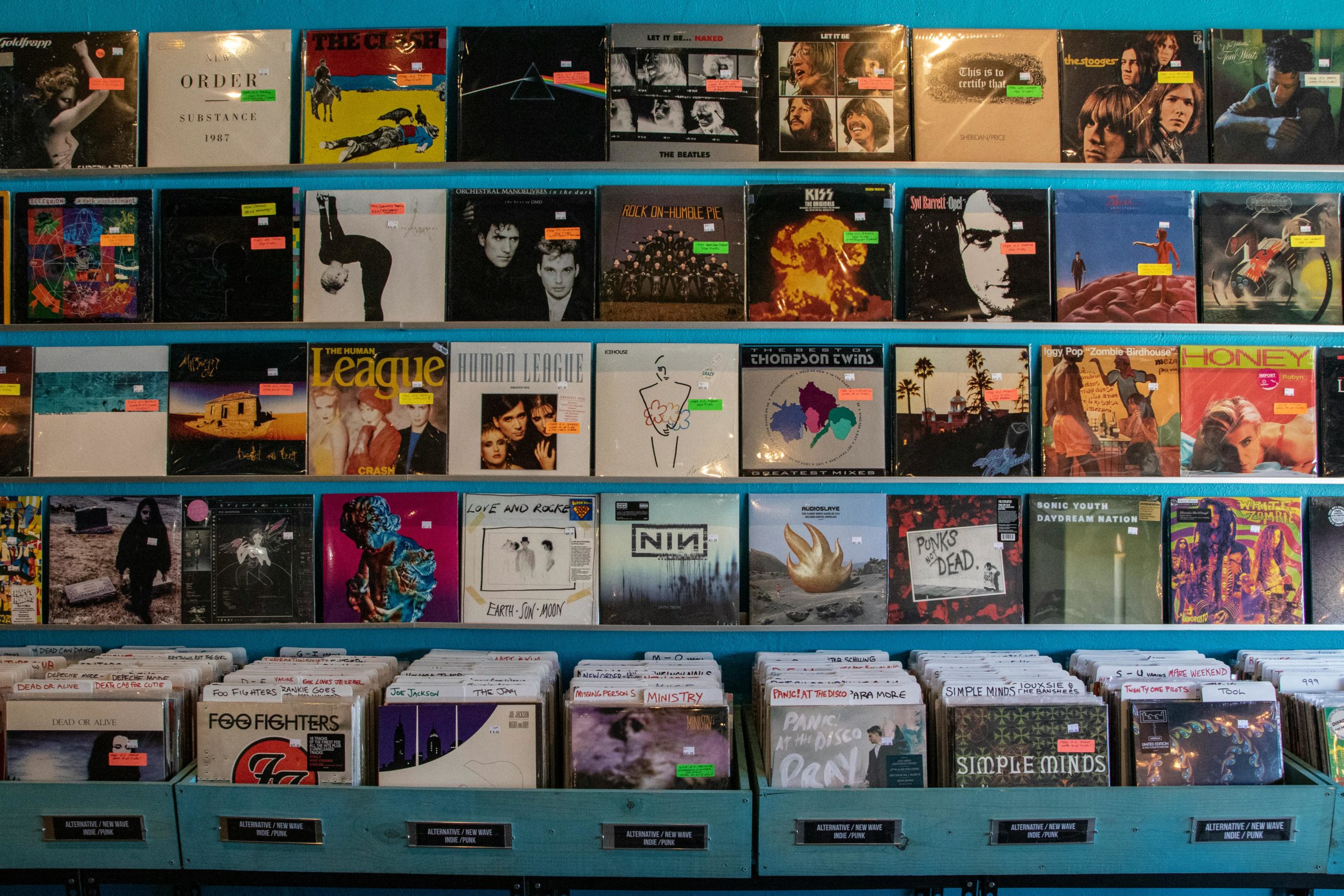
On the other hand, interaction with physical media, like a CD or vinyl, requires a deeper and more intentional approach, one triggered by a sensorial experience. I remember going to music stores, grabbing an album that caught my eye, usually because of the artwork, bringing it home and exploring the booklet and lyrics while playing the CD. This simple routine created a connection with the artist that went beyond the music itself, but also an appreciation for the artwork, the lyrics and the overall design presentation. And the certainty that this copy was entirely yours.
Returning to physical media is a deliberate choice against the immediacy and coldness of streaming. The simple act of choosing to play a CD or vinyl from start to finish is an act of rebellion in this age of instant gratification. Ultimately, this shifts us from being passive consumers to active participants in the musical ecosystem.
Of Permanence and Legacy
Your CD or vinyl collection is more than just a pile of records in your room. It is a reflection of your identity; a monument to a life lived through art, full of experiences and moments that you know better than anyone else. Because it’s yours.
On the other hand, digital playlists lack tactile experience beyond your screen. You cannot hand them to a friend or leave them to your children. A shared link is just a digital echo, volatile and lost among billions of files, while a record is an inheritance. For instance, my wife inherited her father’s Beatles records, and they serve as a special memory of a loved one, an extension of that person. The same happens to me; when looking through my collection and finding a record a friend gifted me, I instantly remember them. Where streaming offers only an instant and ephemeral access, physical media offers permanence and legacy.
Returning to the Real
Returning to vinyl and CDs is not an exercise in empty nostalgia or an excuse to justify a hobby. It is part of cultural survival, ensuring that the art that defines us is not rented, but owned and passed on.
Just imagine this scenario: when we look back in 25 years, what will remain of the art we loved? Will we have tangible proof of our passions, a physical piece of our personal story, or will we realize that our entire cultural history has been lost with our passwords and unrenewed subscriptions?
In a world where everything is increasingly intangible, choosing the physical format ensures that at least something remains truly yours.
Read about where you can buy physical media in Utah:
Velour & Vinyl: Yes, Provo Does Have a Music Scene
A Communal Cure: Peasantries + Pleasantries
If you enjoyed this article, please consider joining our community of donors!
