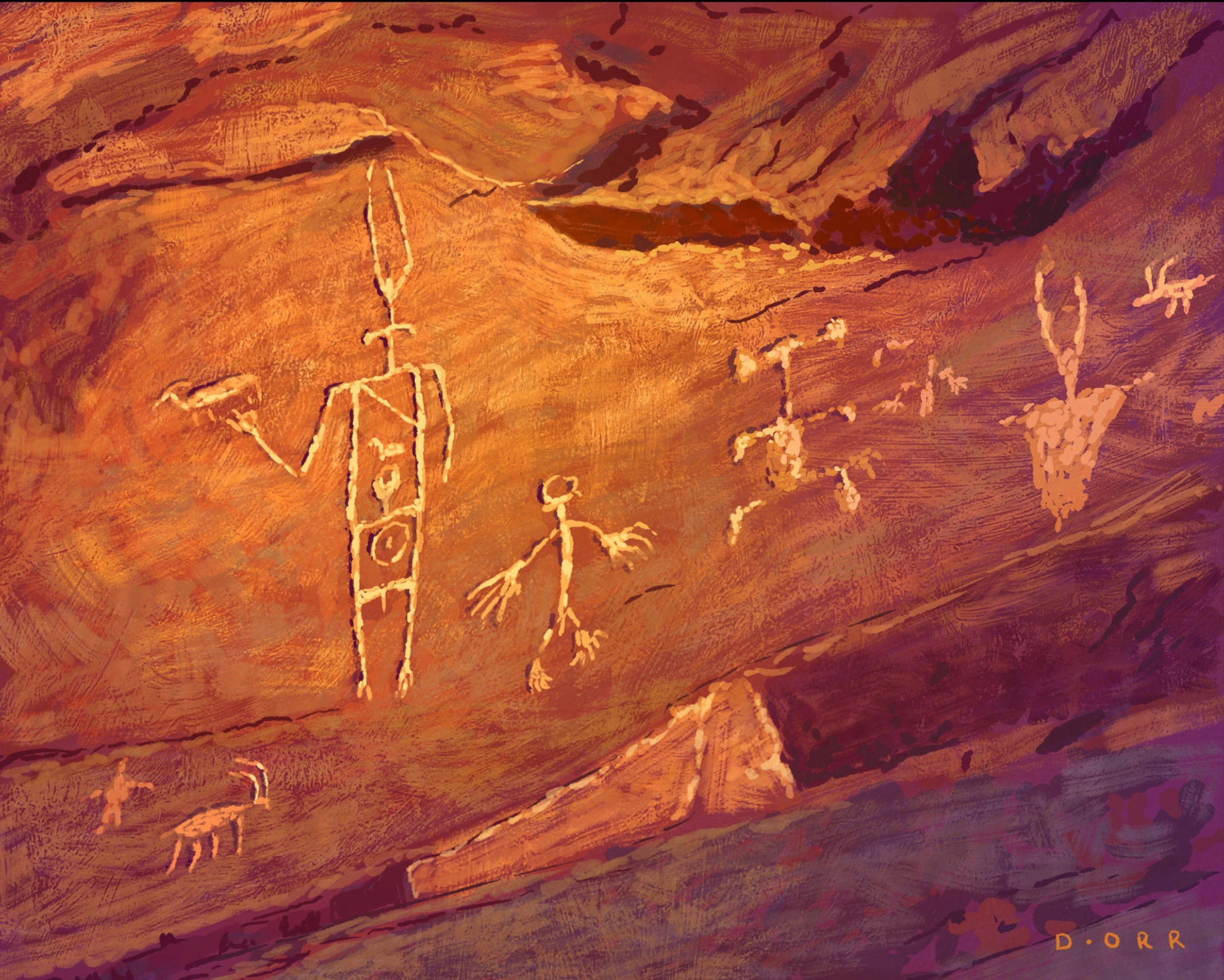
Prolonging Life and Land with the Bears Ears Inter-Tribal Coalition
Community
As a national monument with a presidential proclamation, Bears Ears is the home for natural resources. Here, Native Tribes come together in a joint mission of protection and preservation. For those who have the heart for rugged terrain and backcountry solitude, Bears Ears is a must-see spot for all your nature excursions.
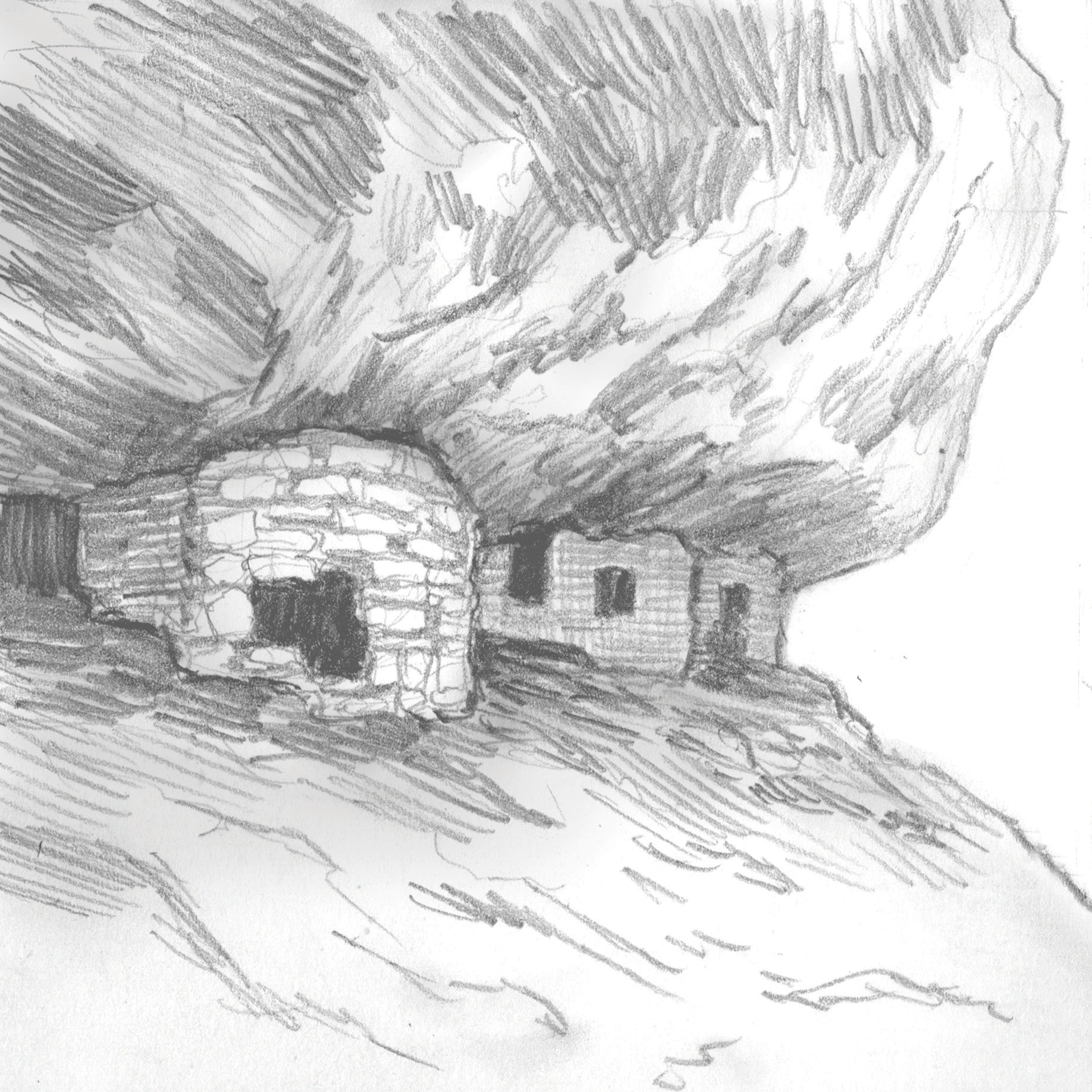
What to do: Bears Ears National Monument, Sand Island Petroglyphs, Mule Canyon
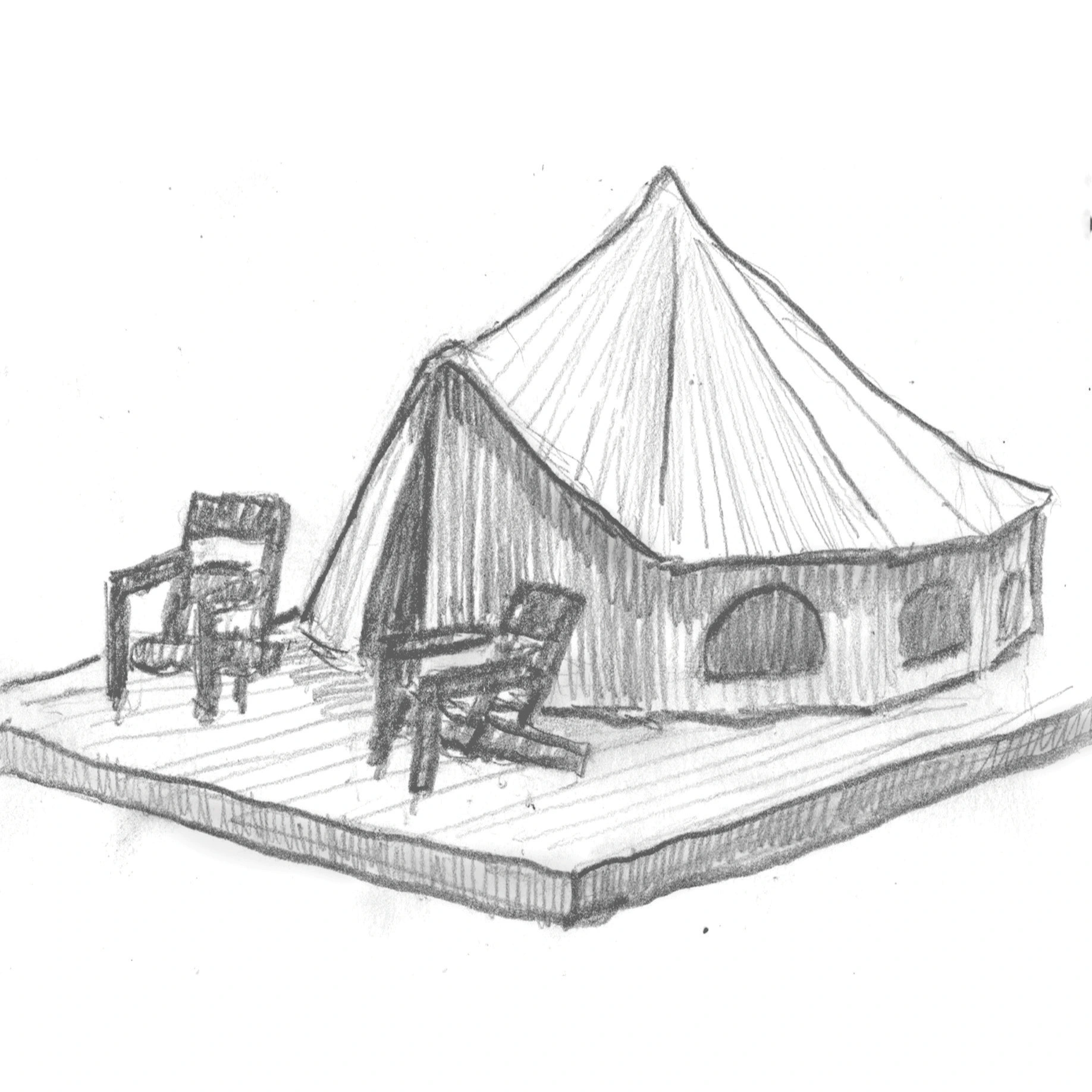
Place to stay: Glamping Canyonlands, Canyon of the Ancients, Atomic Blue Motor Inn
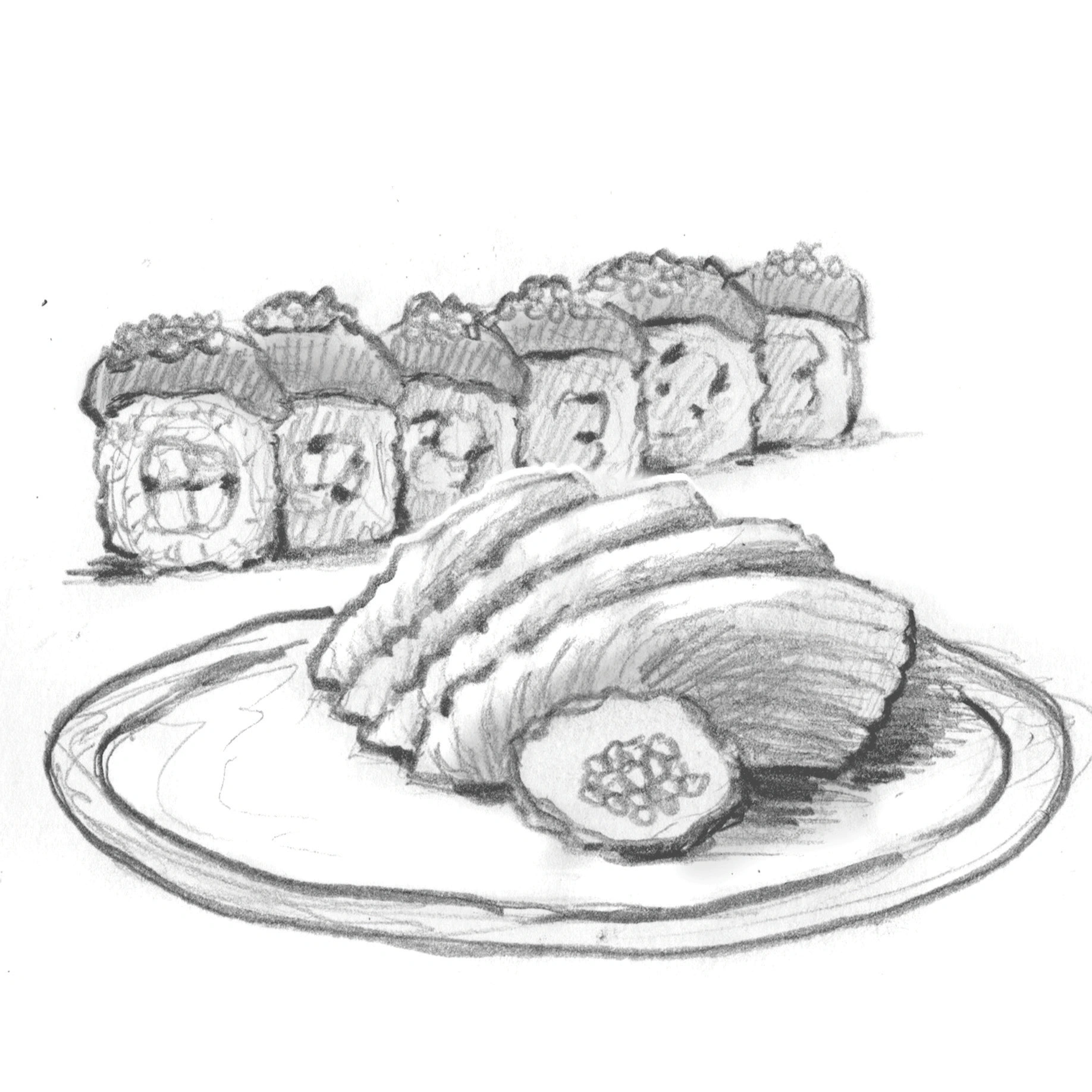
Good eats: Ja-Roen Thai and Sushi, Doug’s Steak & BBQ, Gustavo’s
In 2015, five Native American Tribes joined forces as the Bears Ears Inter-Tribal Coalition to protect the landscape surrounding what would become the Bears Ears National Monument. For 10 years, the tribes worked together on a land management plan, which came to completion in 2025. “The management plan was an important milestone, says Hopi Vice Chairman Mikah Kewanimptewa, “but the work did not end there.”
Much of Kewanimptewa’s work involves implementation of the plan, which is where the BEITC’s conservation corps programs come into play. Not only do these programs serve to protect the land, but they also form relationships between the Tribal youth and Elders. “We help create space for knowledge, stories and responsibilities to be shared across generations,” he says.
Practices of knowledge, stories, language and stewardship are used to help the members of the Tribes engage with one another. Kewanimptewa describes how language is connected to place. “Many histories and teachings are rooted in the landscape itself. In this place, we create opportunities for knowledge to be shared across generations.”
Hopi is a unique Tribe, and they take pride in their roles as stewards of the land. With artifacts and shrines tied to the landscape at Bears Ears, it is especially important to them that the land is cared for. “We are opposed to any kind of mineral extraction or destruction of the rock art, because it identifies who we are, and we don’t want that to be taken from us,” Kewanimptewa shares. One of the recent conservation corps projects involved installing barriers around social trails that have contributed to resource damage near a vital petroglyph panel, Newspaper Rock.
What makes the BEITC’s work successful is the relationship between the five Tribes that Kewanimptewa says gives him “hope seeing five Tribes work together around a shared responsibility to care for Bears Ears.” The biggest challenge is the fact that important work takes time. “Building relationships, finding a common ground and working together across the Tribal nations requires patience and commitment,” Kewanimptewa reveals.
His wish is that visitors will educate themselves on the monument before they enter it. “For Hopi, Bears Ears is part of a much larger cultural landscape. This has been important to our people for generations. The region contains places connected to Hopi history, migration trails, cultural practices and ongoing responsibilities to the land. Many sites within Bears Ears continue to hold cultural and spiritual significance.”
Kewanimptewa sees the BEITC’s purpose as to prolong life, because “life is important.” The Coalition is making the most of the life their ancestors – whose presence can still be felt on the land – set up for them and setting future generations up for success.
Read more articles about Bears Ears from SLUG:
Dancing the Bears Ears: Zvi Gotheiner and Repertory Dance Theater
A Place of Power: Russel Albert Daniels and the Authentic Native Image
To help SLUG Magazine continue its support of missions like the BEITC’s, consider joining our community of donors!
