Am I a Book? A Festival Asks, With Beer
Activism, Outreach and Education
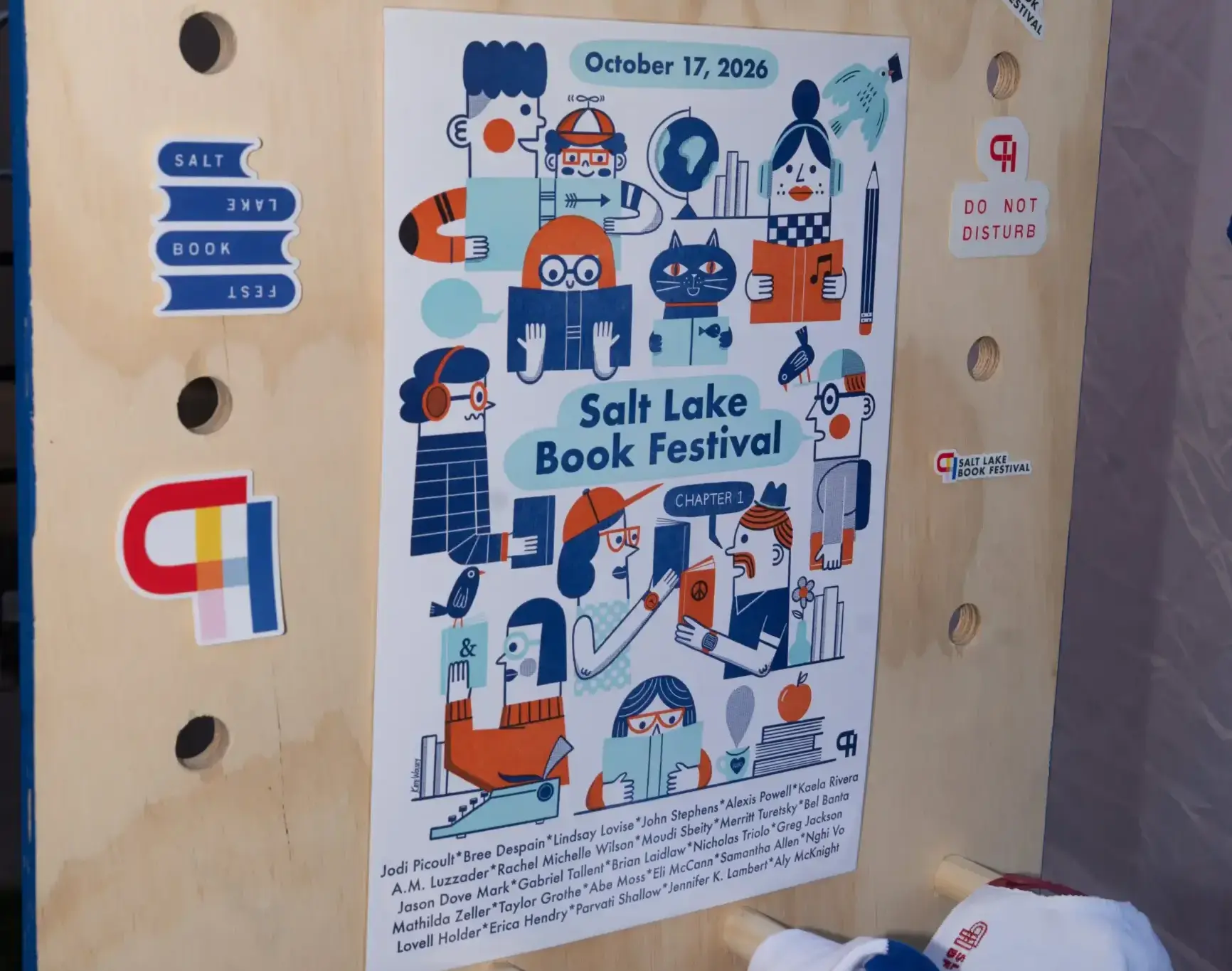
I know The Gateway in my bones. As a kid, I wandered these cobblestone-ish paths at knee-height, ducking into shops and the old Barnes & Noble, even running through the fountain whenever I could. Now everything has left or been redone, like returning to your childhood home and finding the same floor plan under different gravity. On Oct. 17, the first-ever Salt Lake Book Festival moved in, and there’s a particular magic in witnessing a new thing settling into an old one.
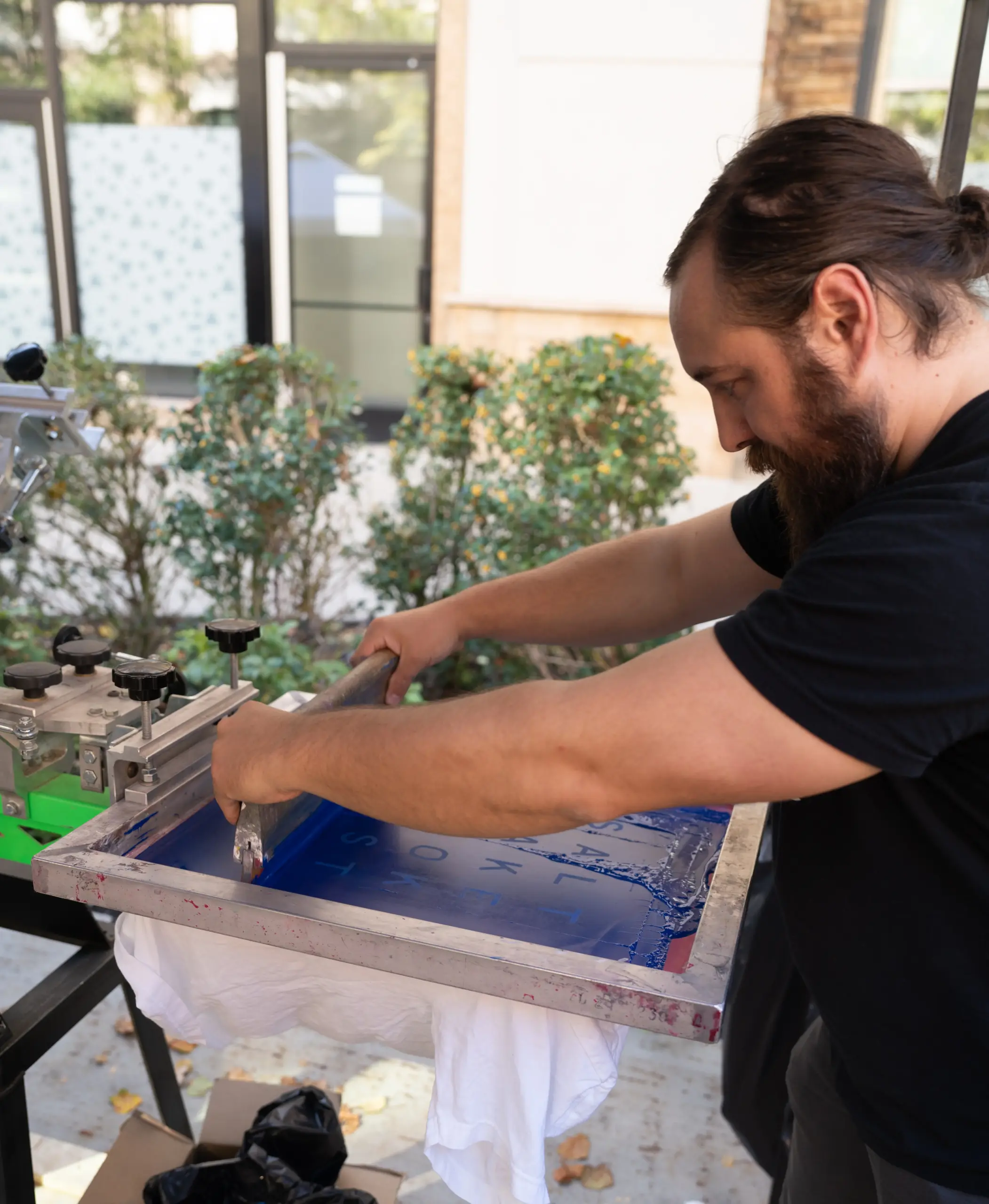
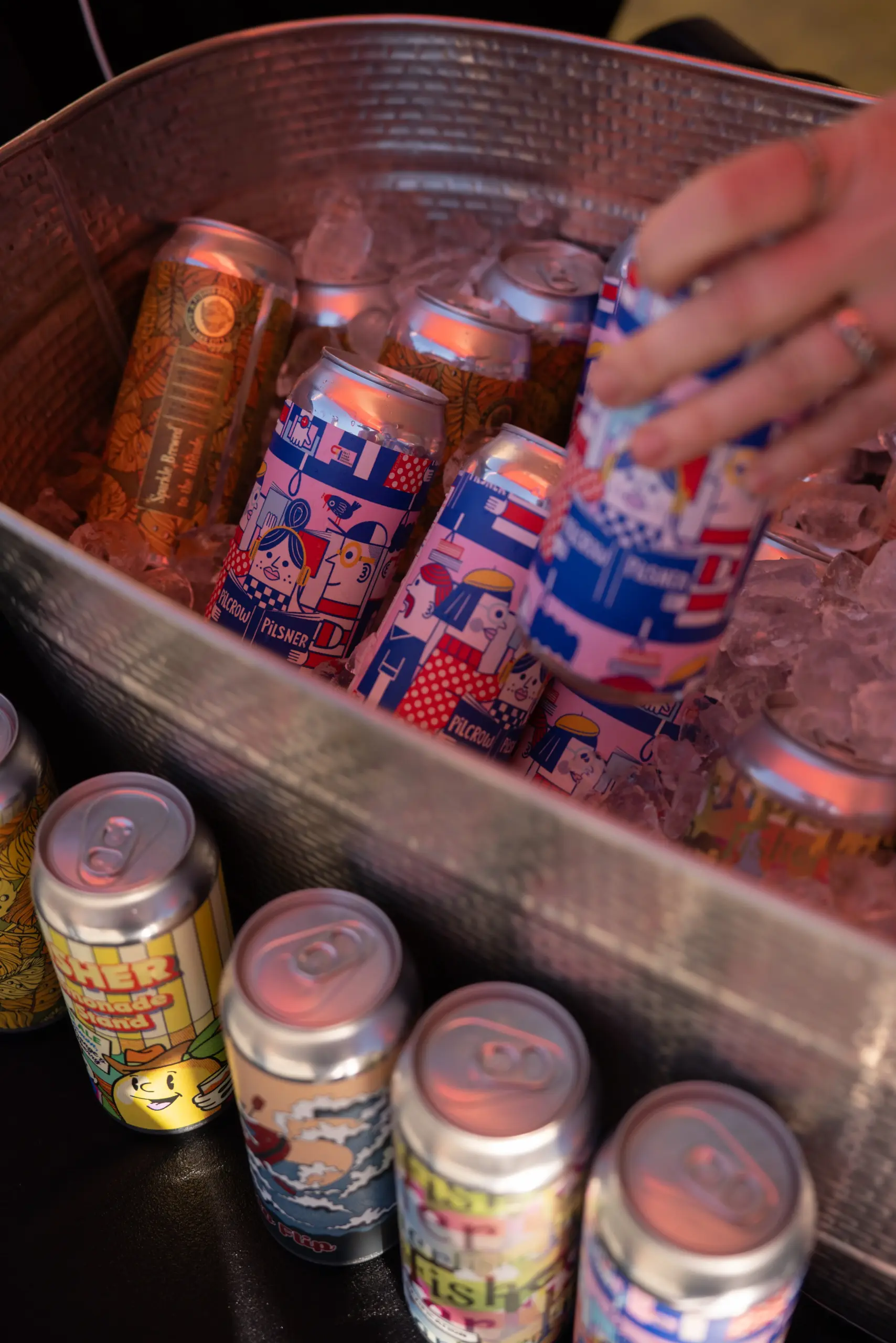
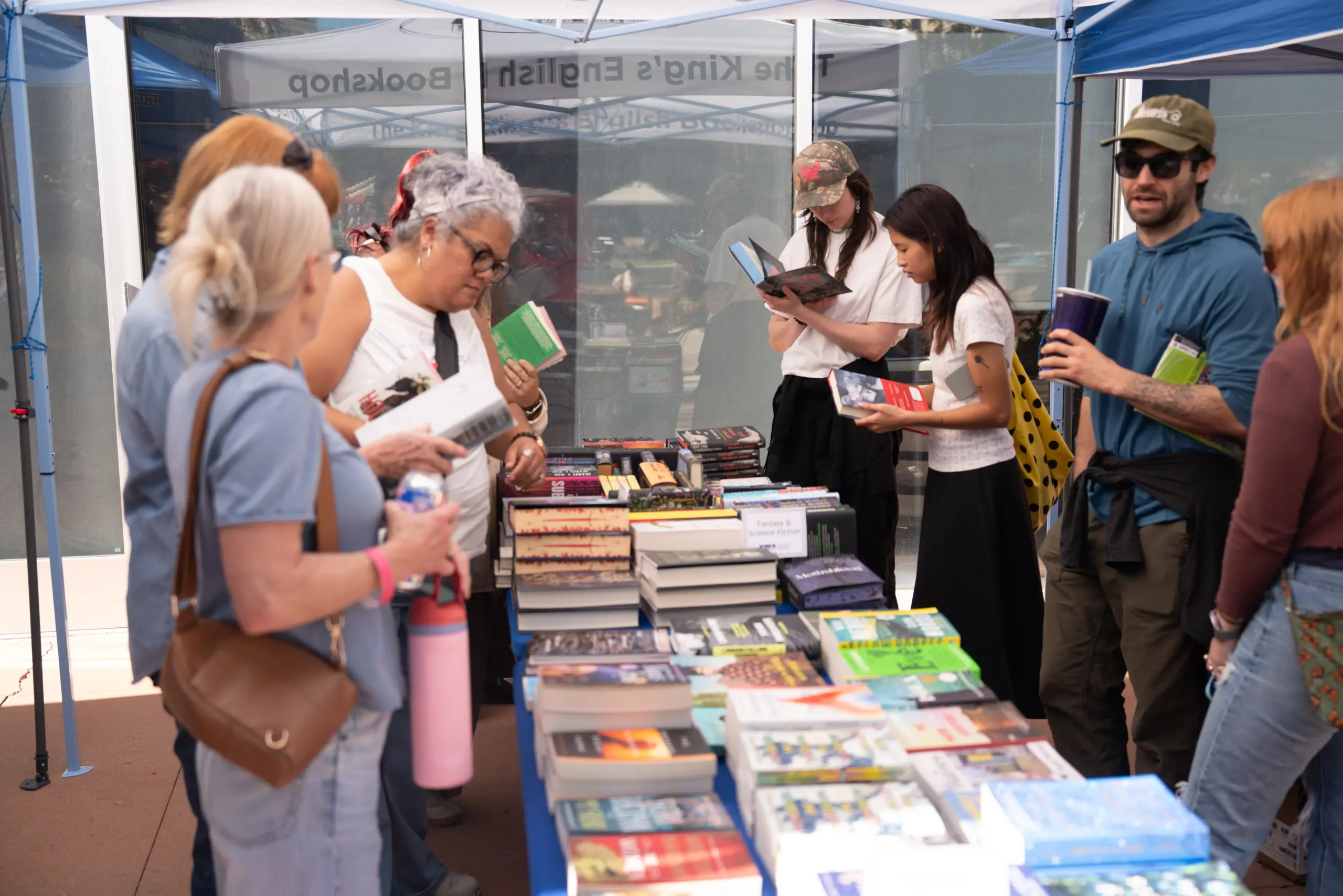
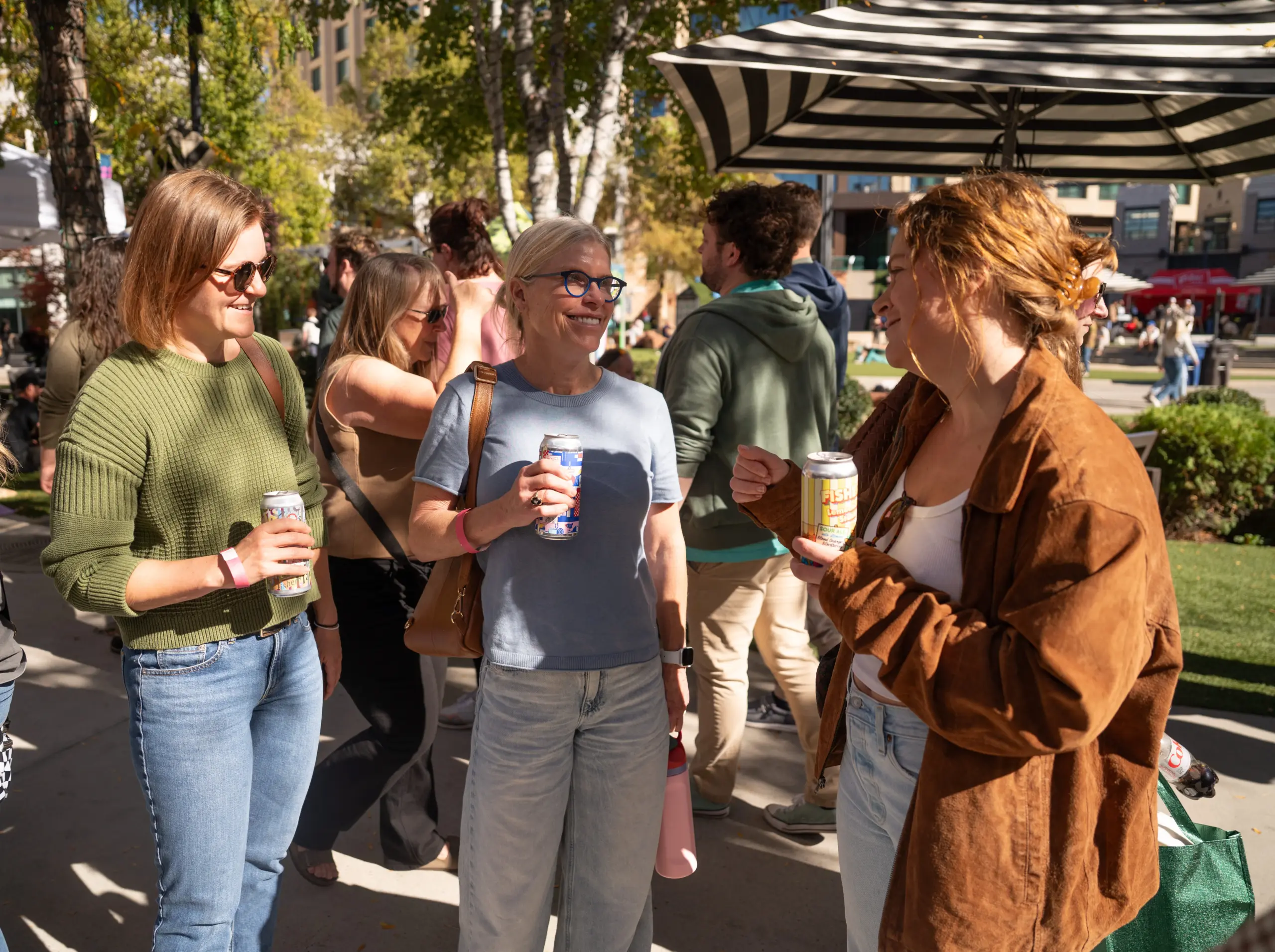
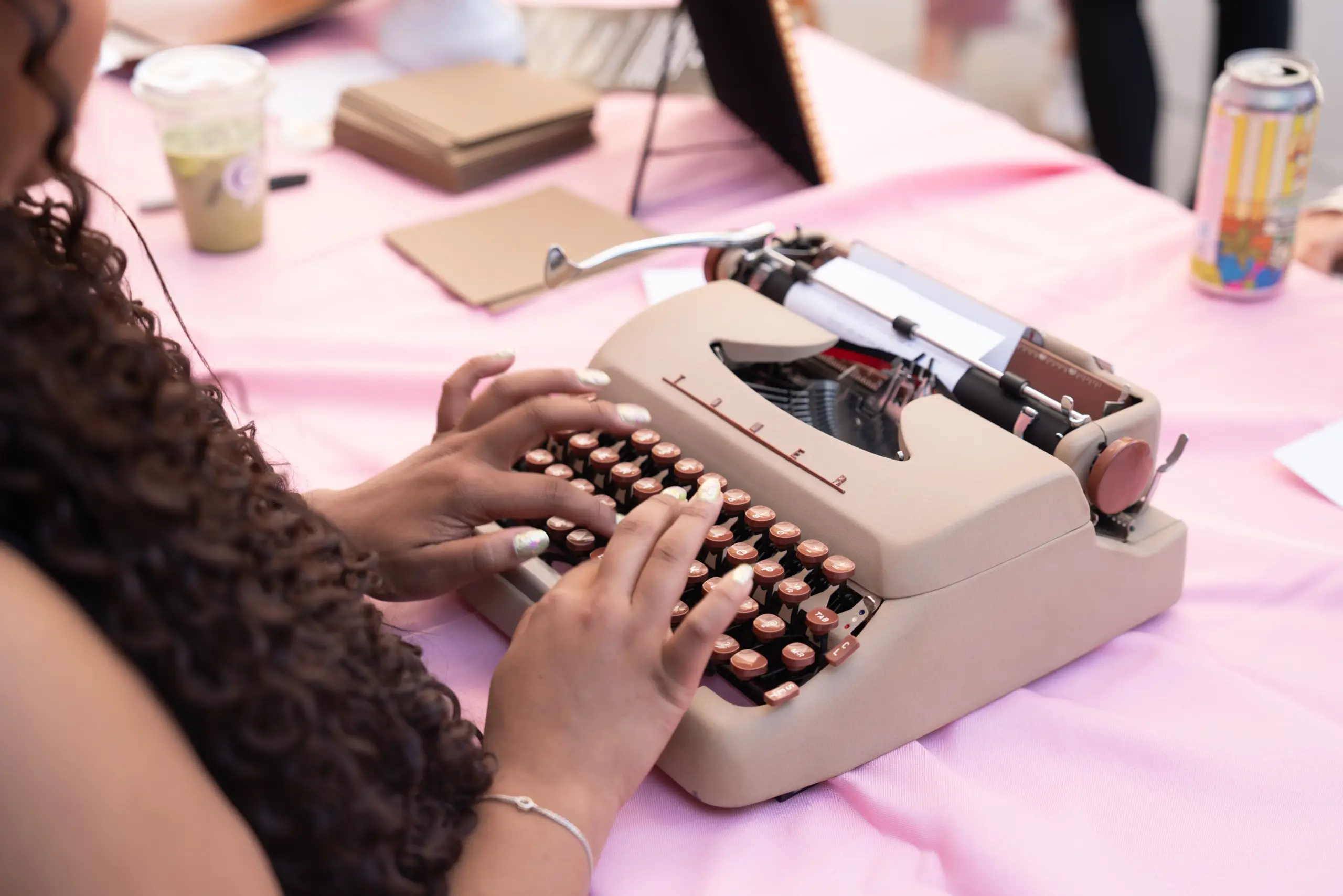
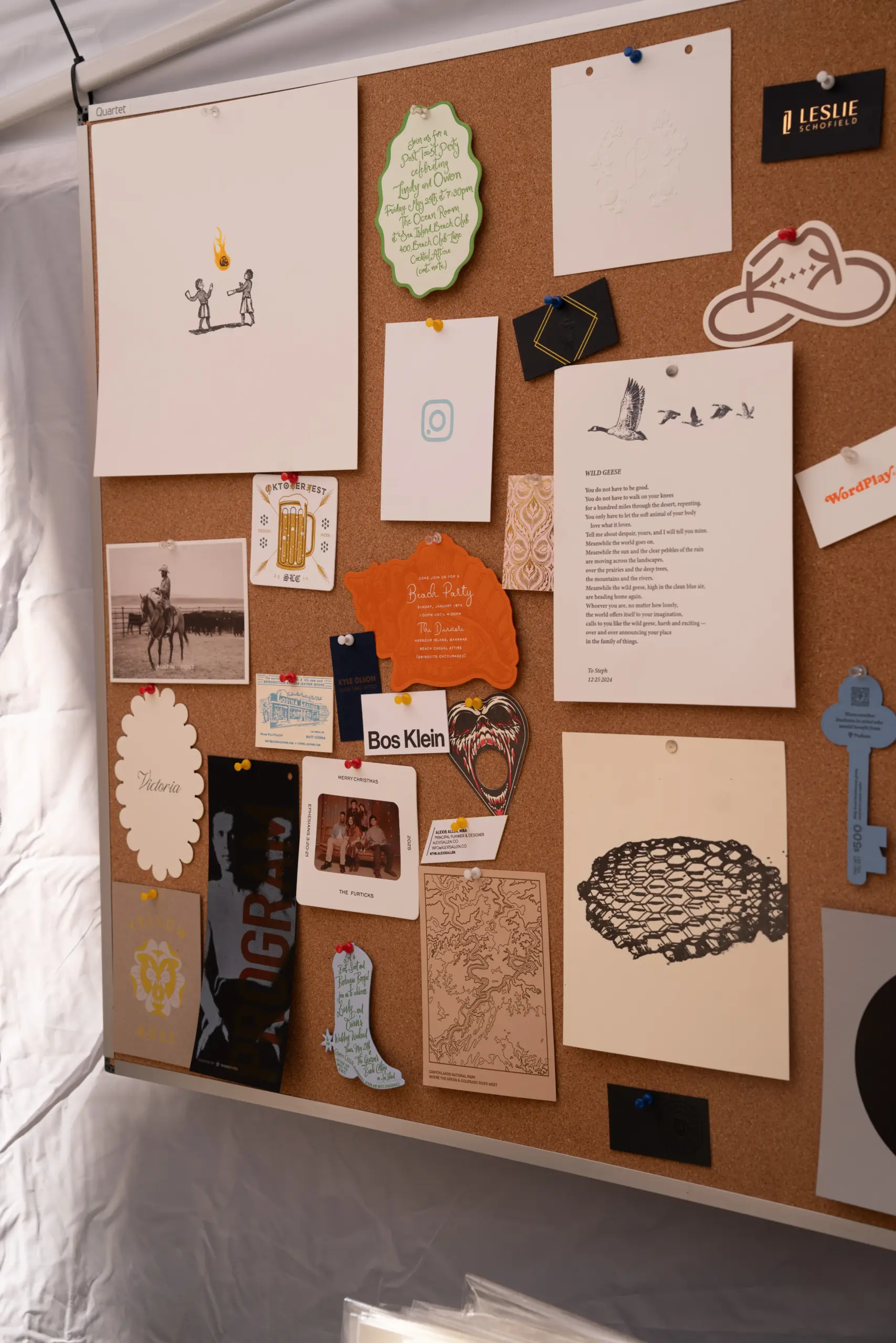
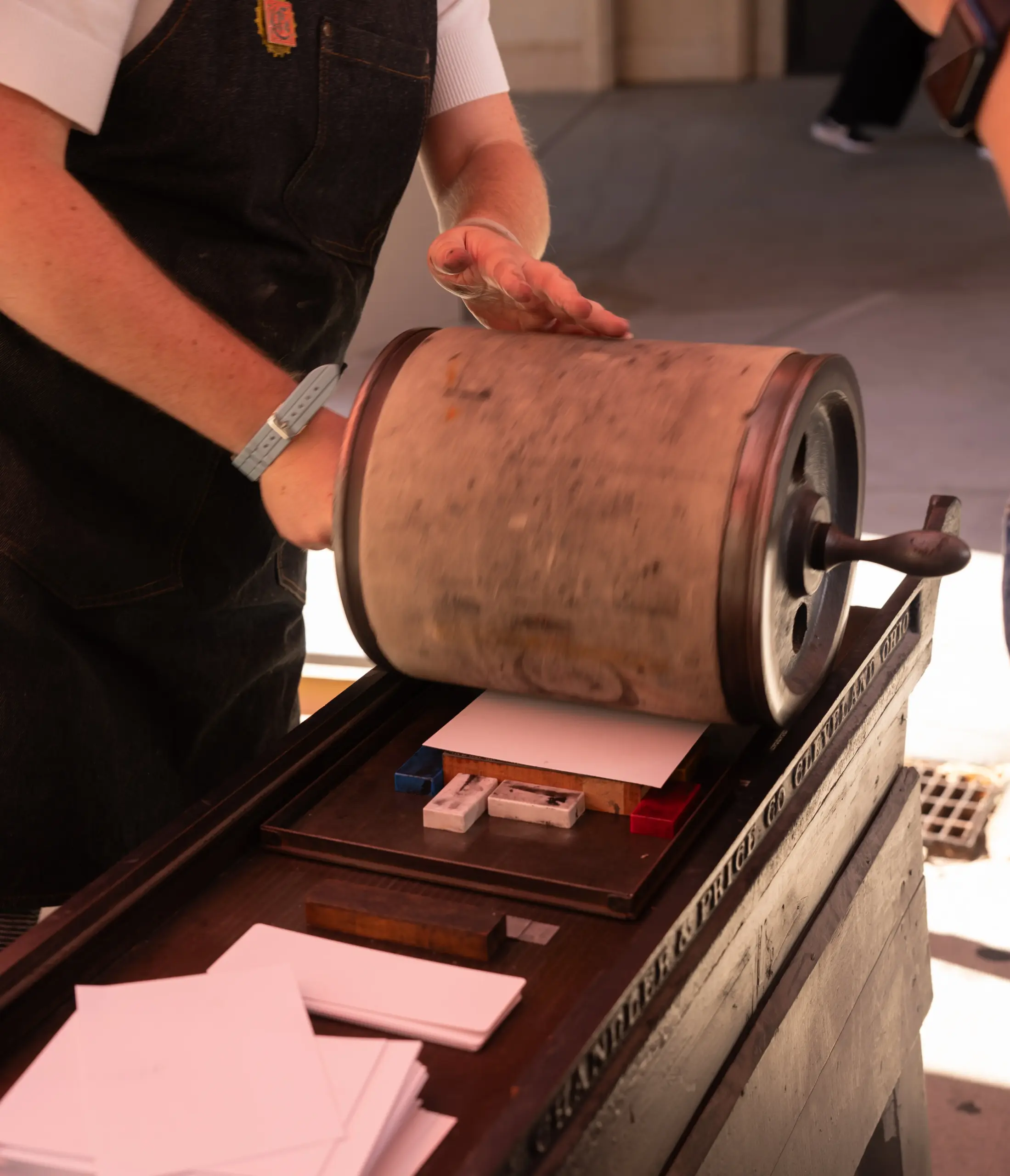
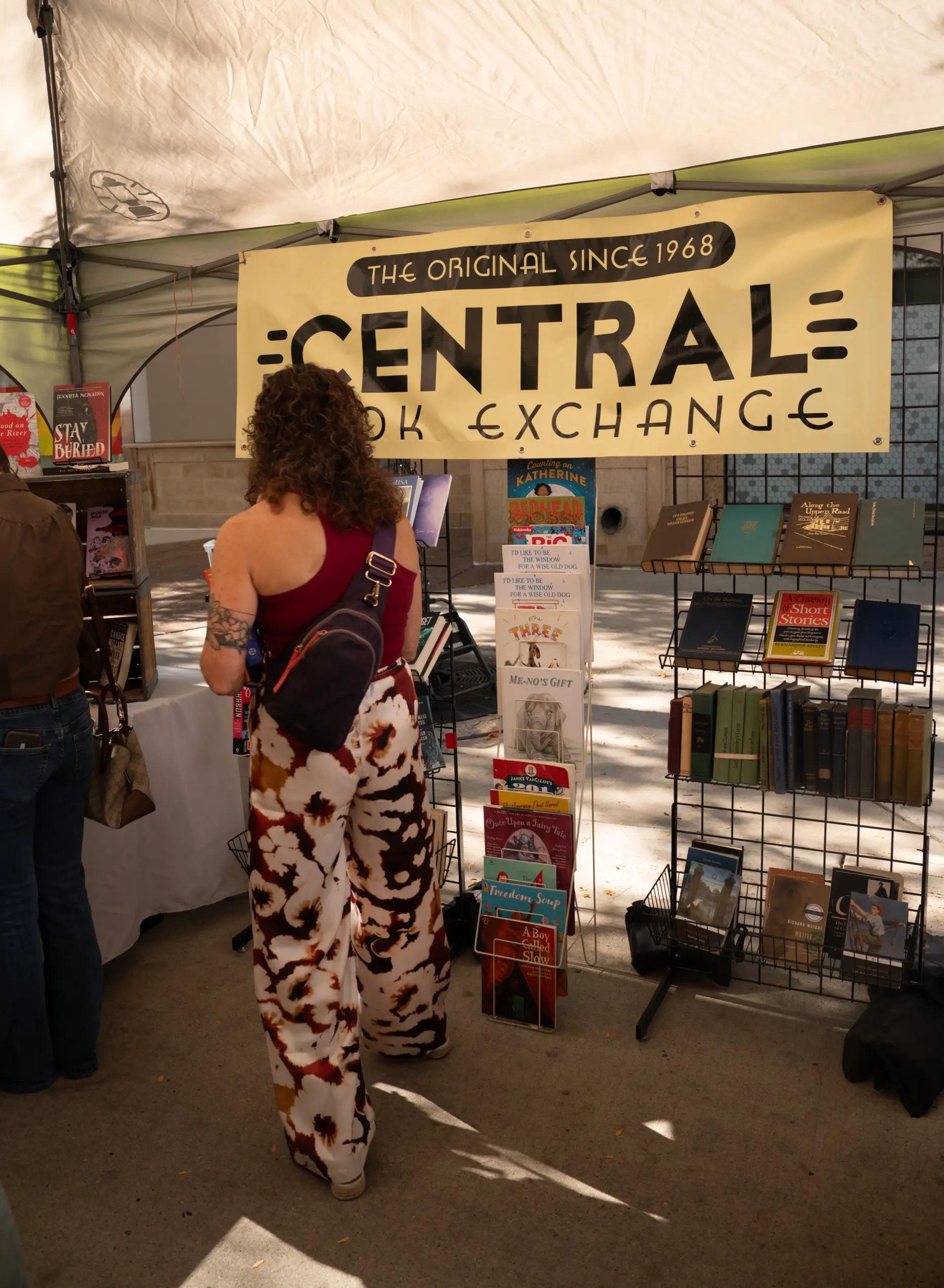
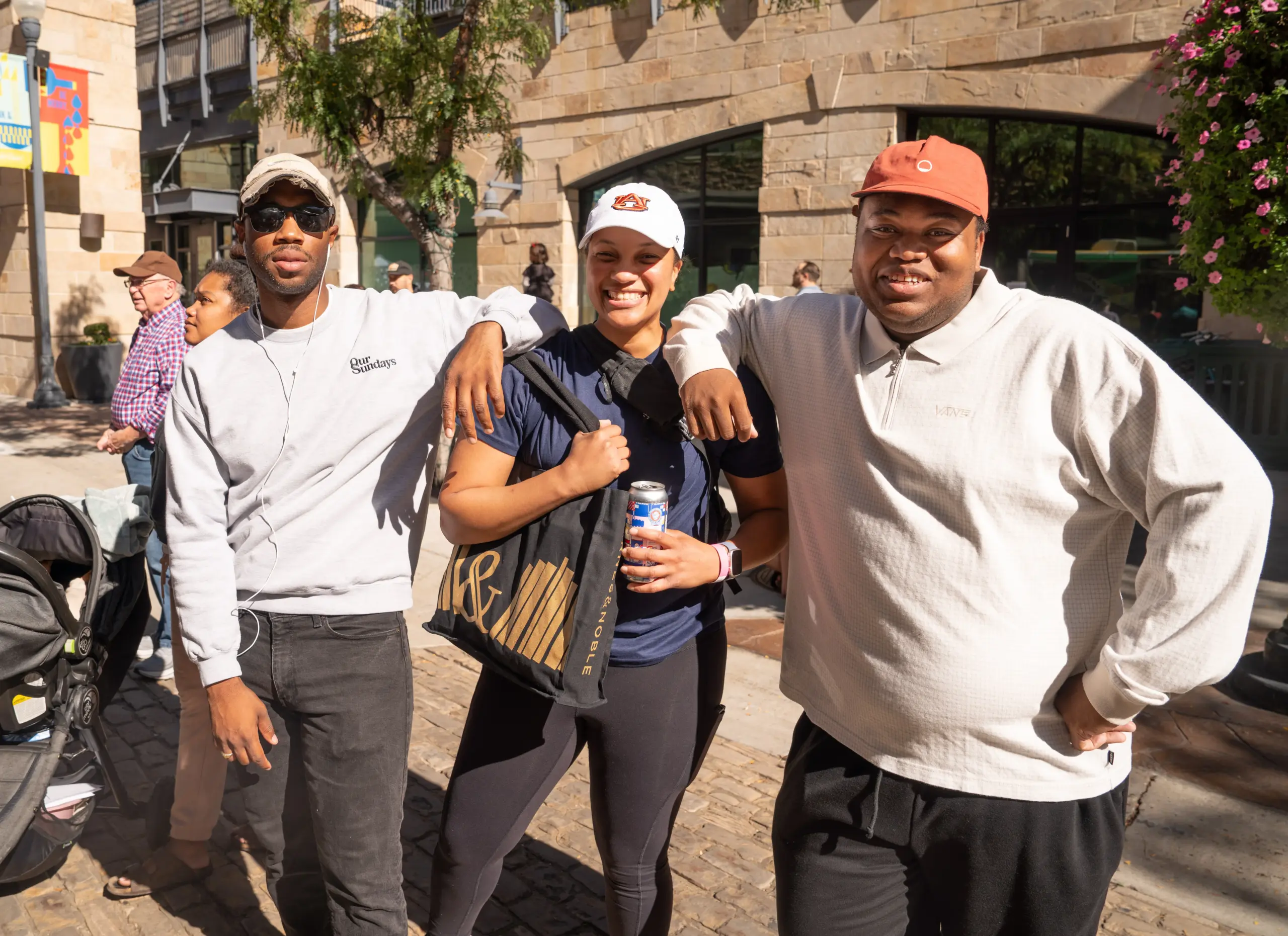
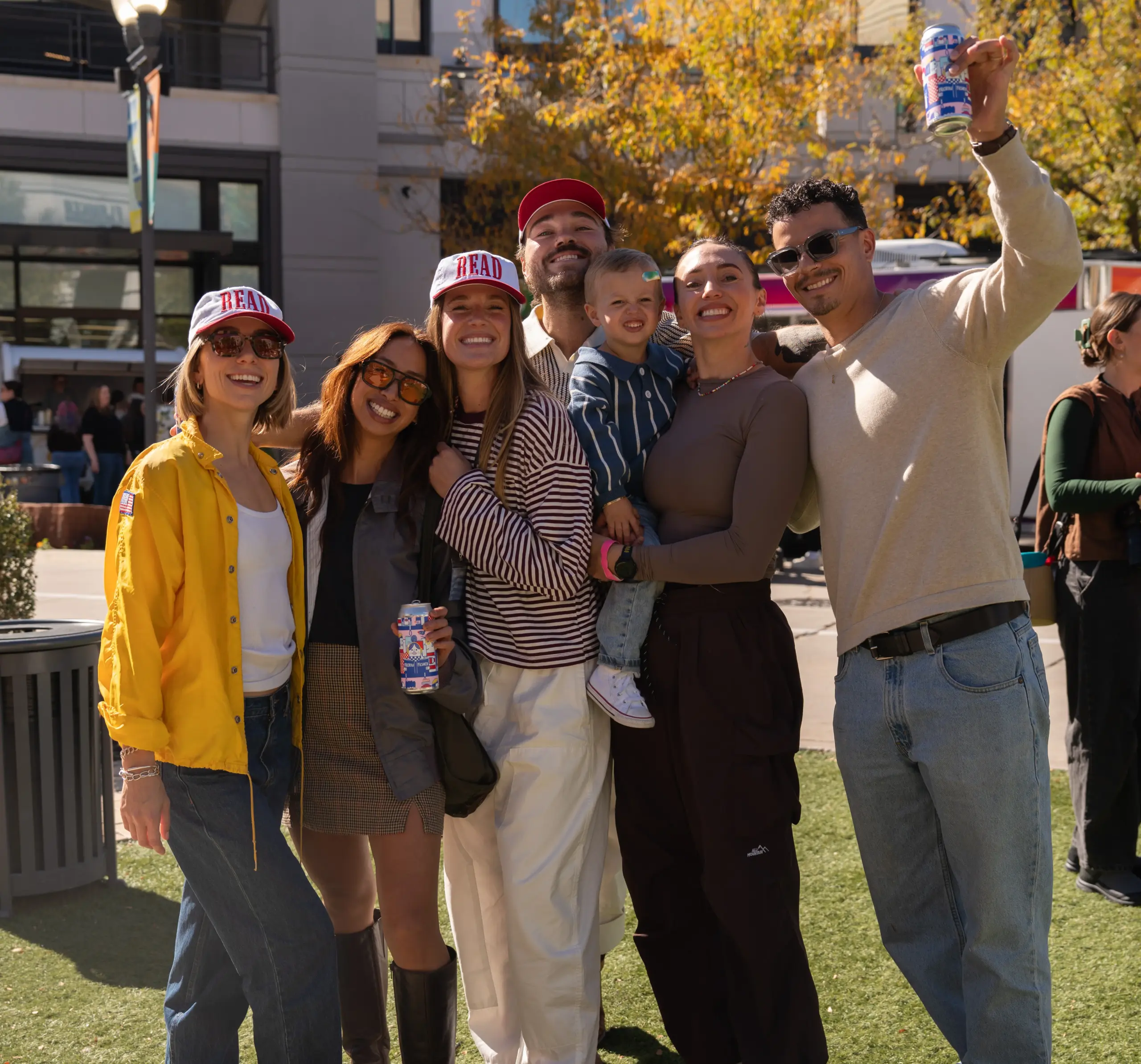
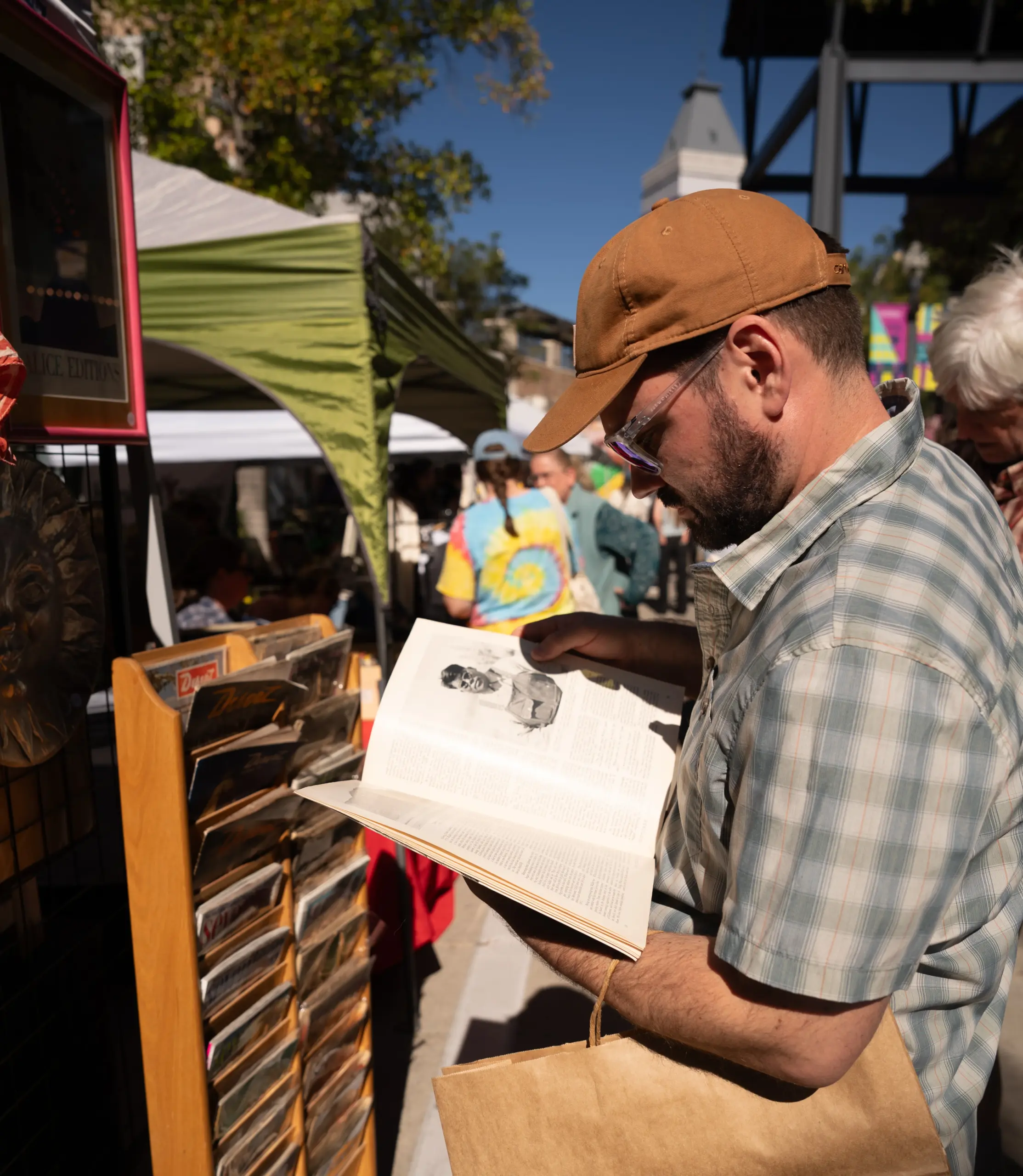
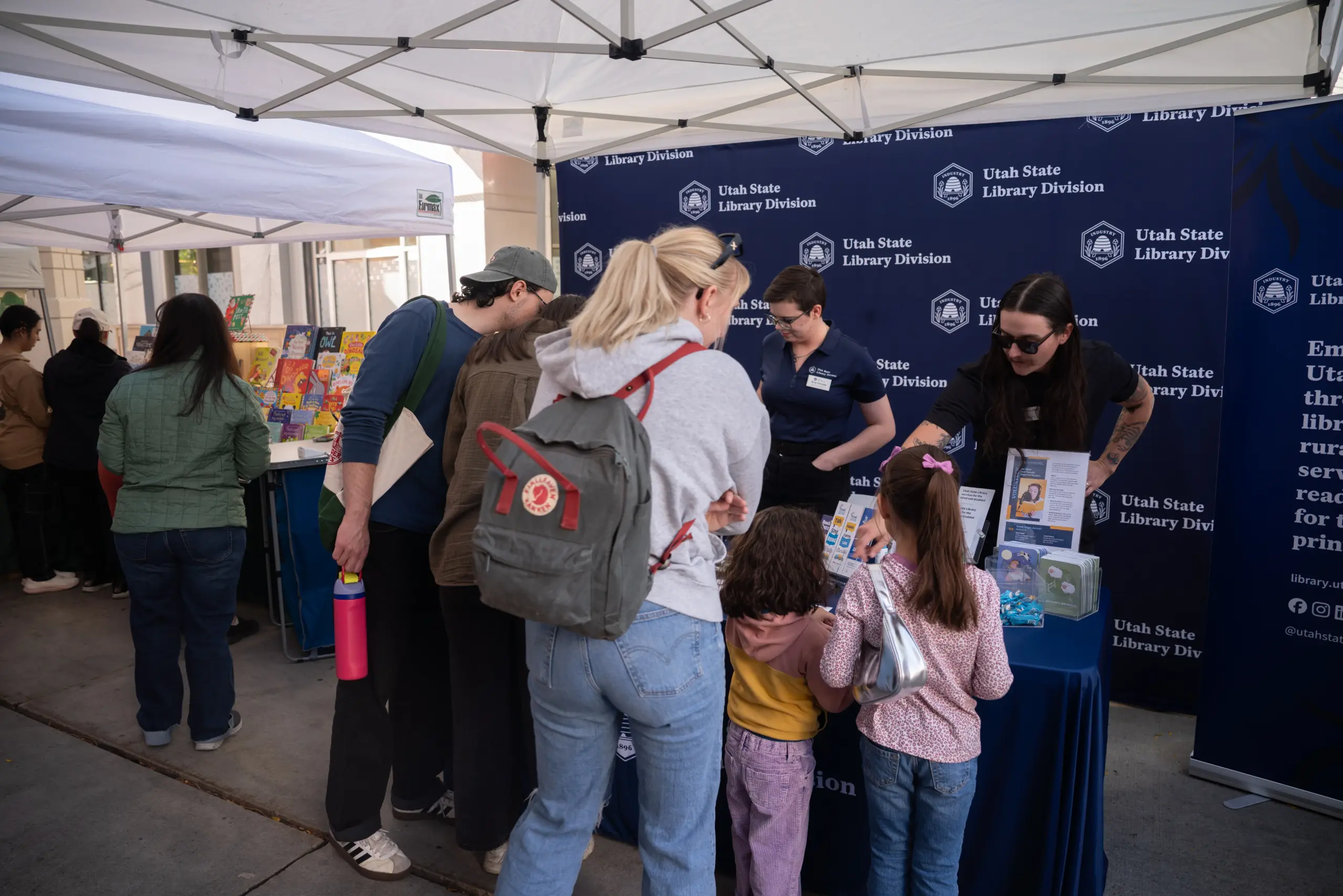
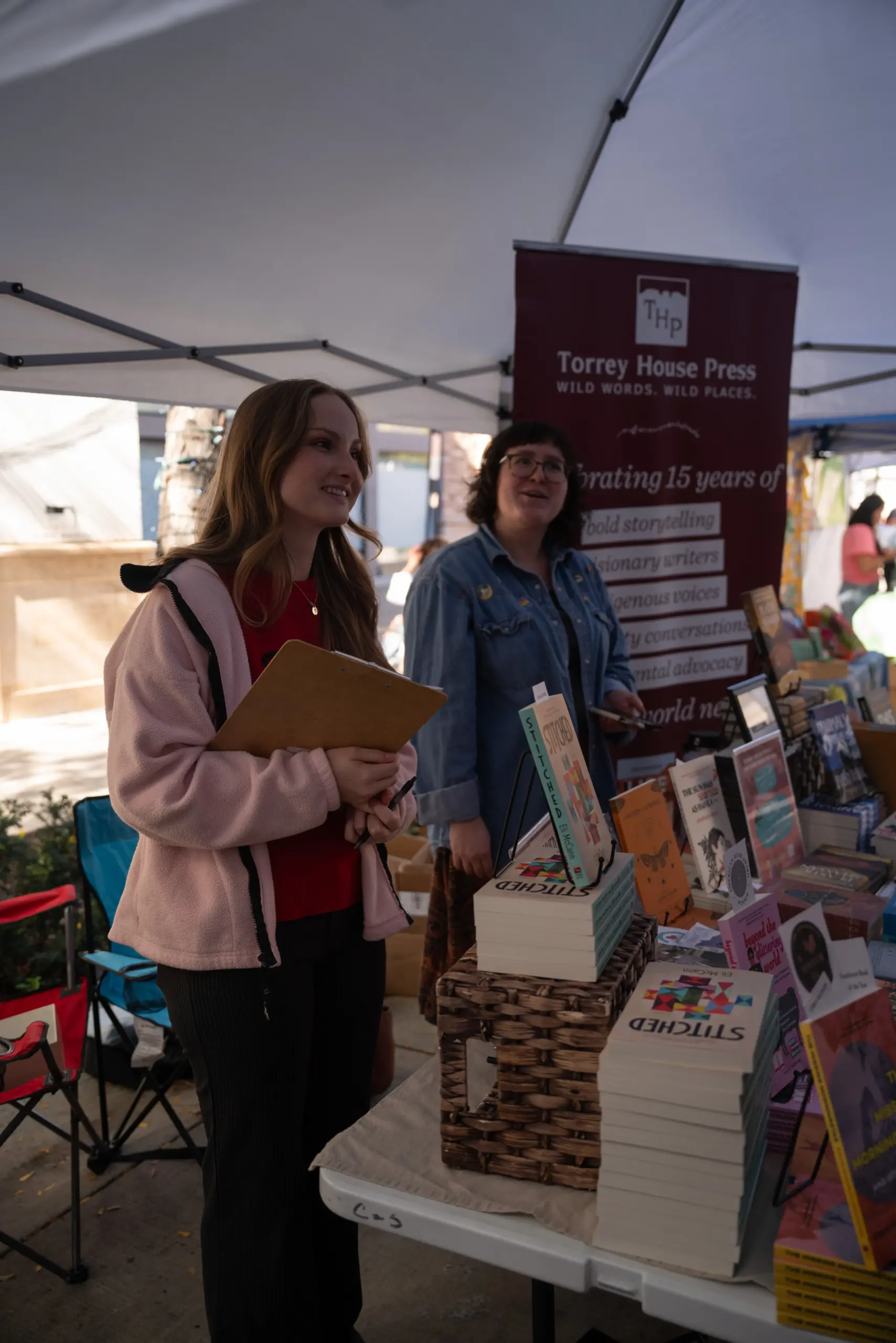
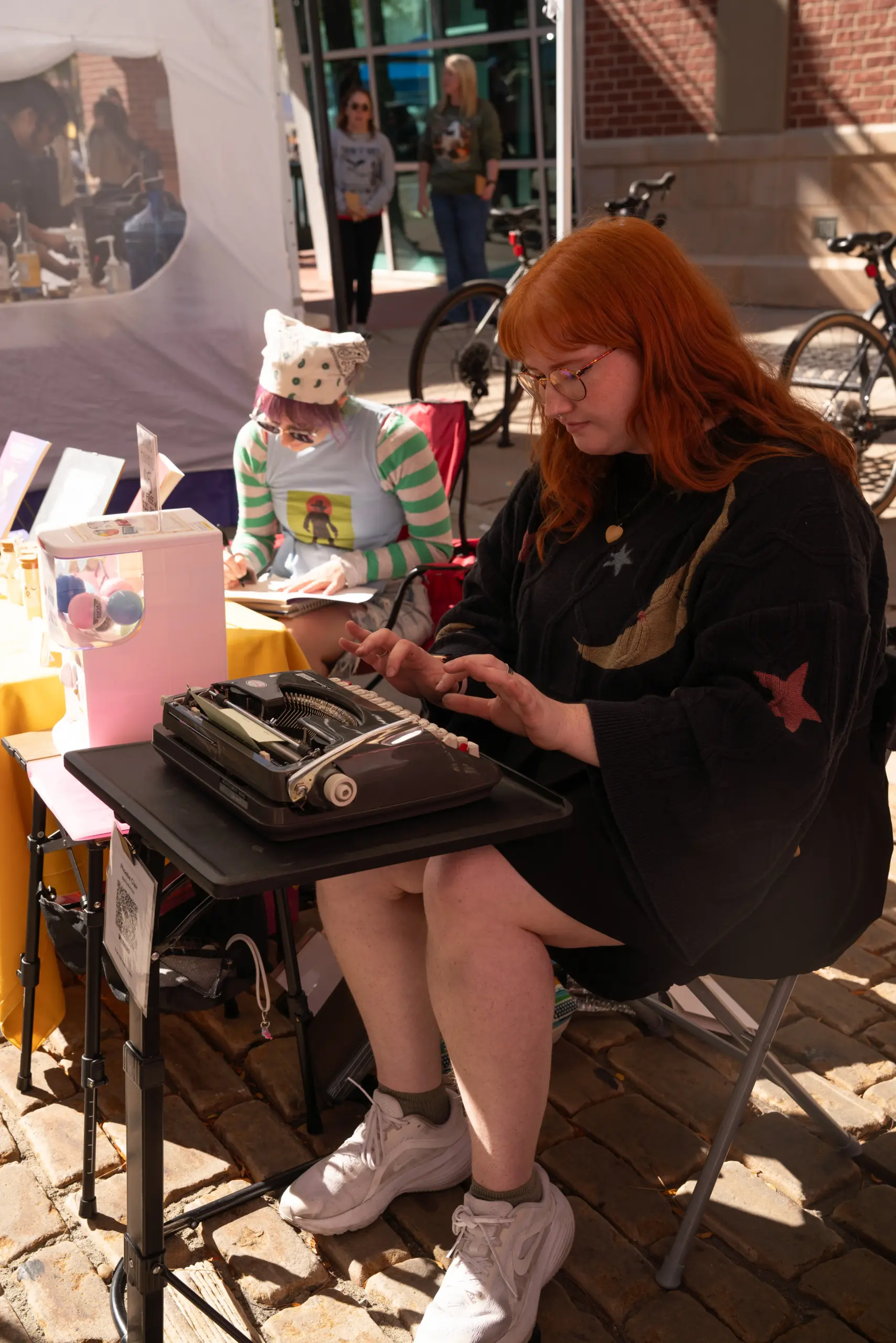
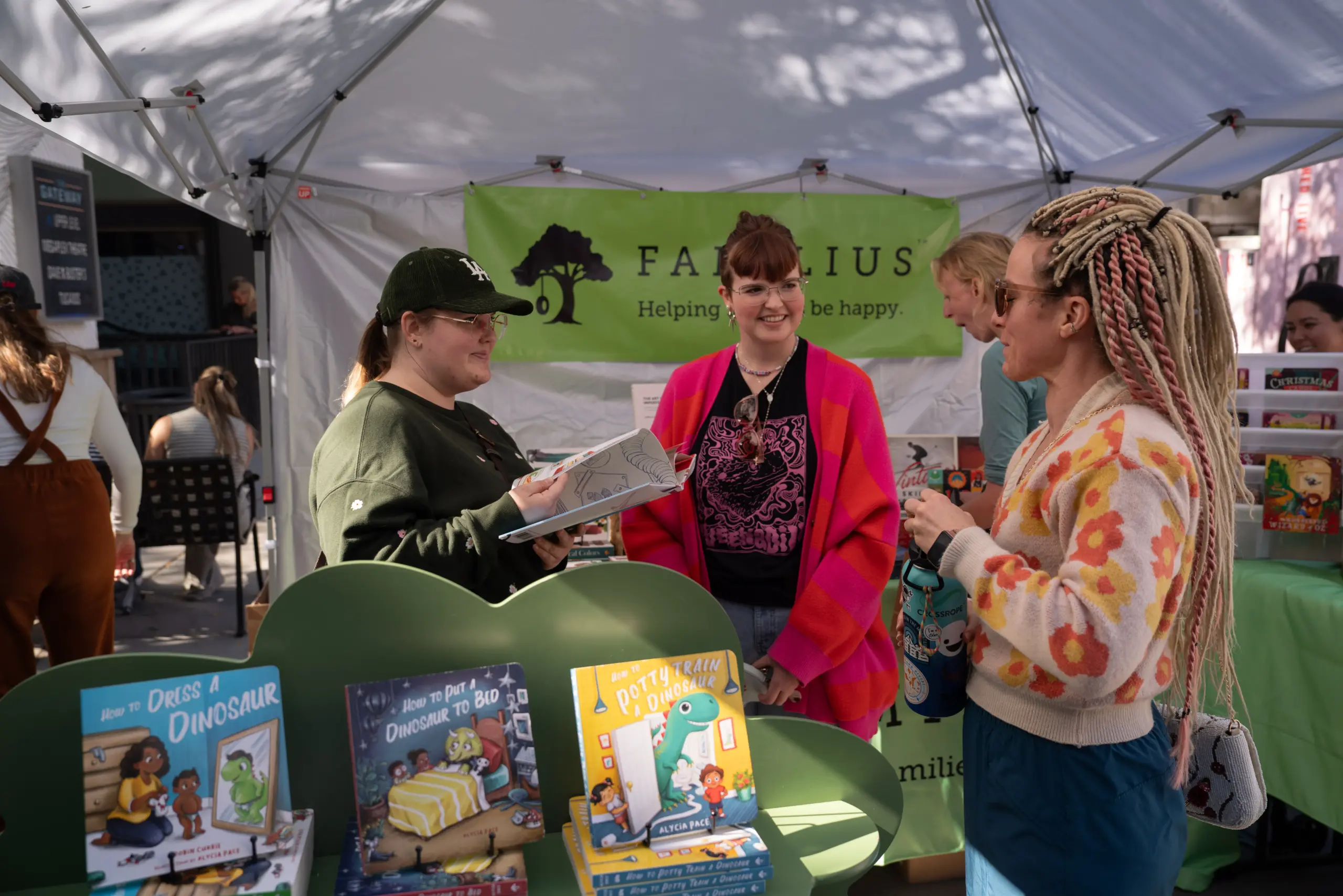
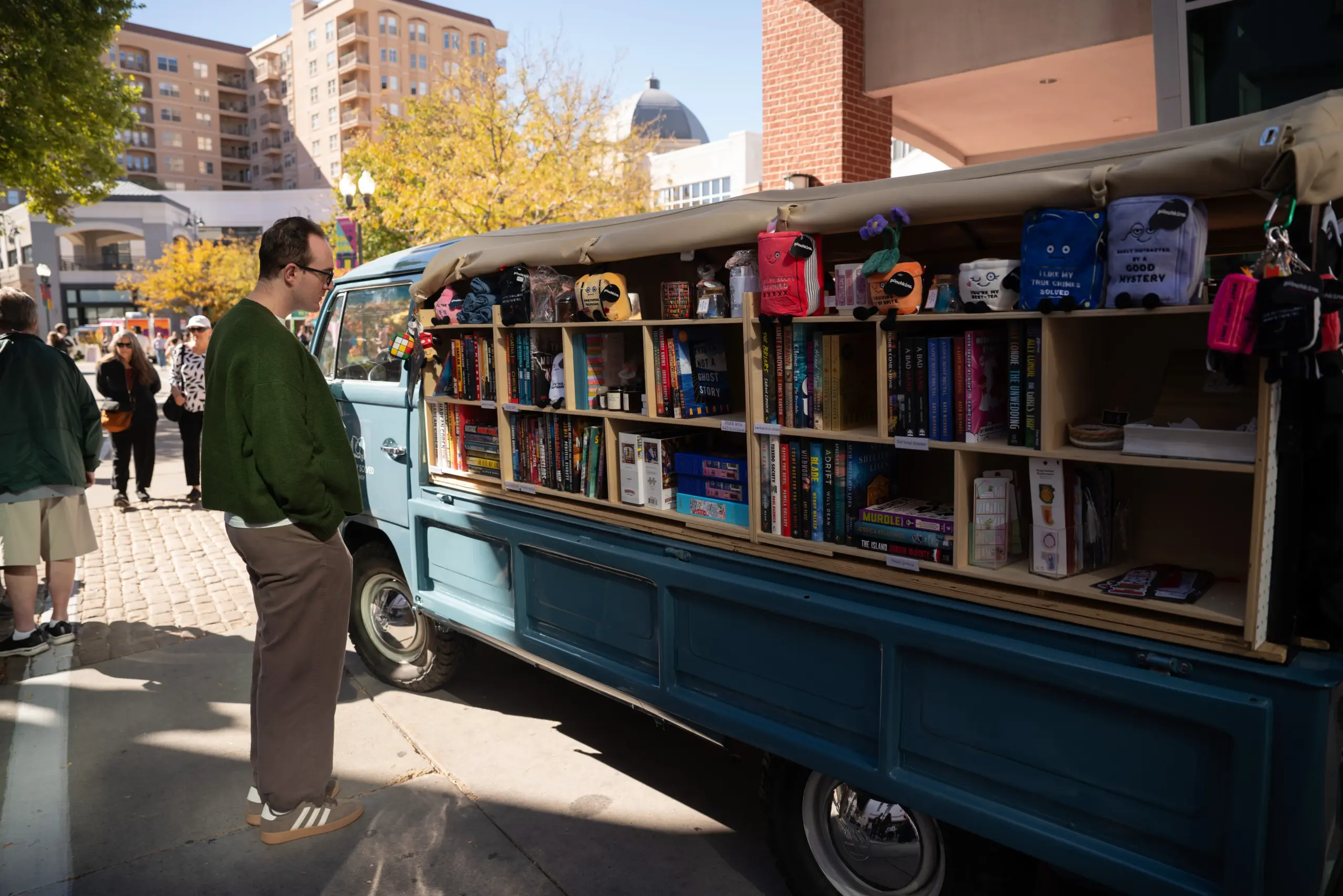
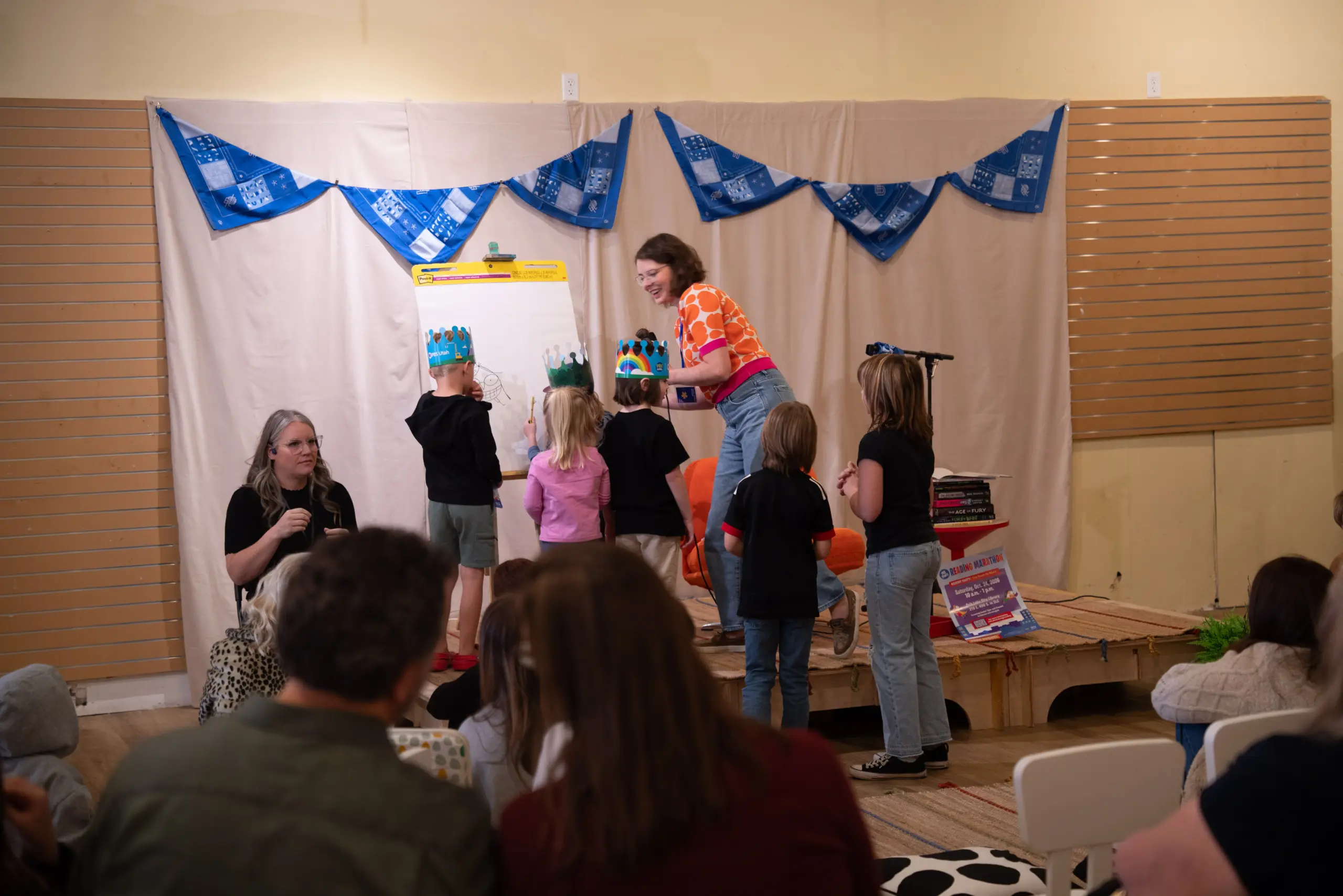
It was a milling, buzzing crowd of all ages, everyone a little giddy that this was happening. Bookstores, printmakers and tiny poetry presses lined the way. Typewriter poets clacked out verses for a buck or two. A stranger makes you a book, one copy, no edition, for the price of a coffee. Instead of a coffee, however, I grabbed a Pilcrow Pilsner, Fisher Brewing’s festival beer. A pilcrow is the ¶, the paragraph mark medieval scribes used to say a new thought begins here. I carried a paragraph break to a panel about the nature of books. This felt correct.
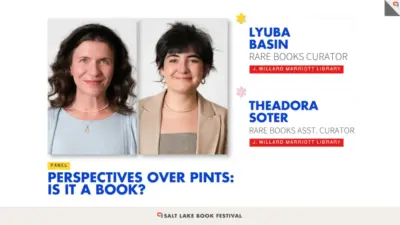
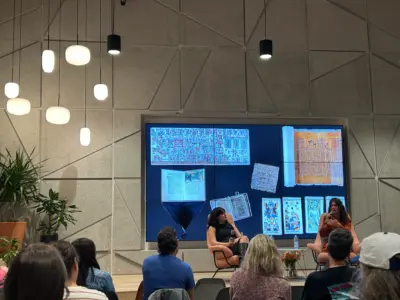
That panel was “Perspectives Over Pints: Is It a Book?”, hosted by my friend Theadora Soter, assistant rare books curator at the University of Utah’s J. Willard Marriott Library, and her colleague Lyuba Basin, head rare books librarian and curator. It was staged as a dating show. Contestants read lonely-hearts profiles in the first person, and we guessed whether each was, well, a book.
A 4,000-year-old clay tablet was looking for someone who “isn’t afraid of applying a little pressure.” (It’s a grain receipt tied to funeral banquets, handed to an official whose actual title was beer libator, which felt like a sign.) A 36-foot Mesoamerican screenfold of deerskin, dismissed by the Spanish as demonic doodling, is a double-sided archive of dynasties and conquest. A tarot deck from Milan said it knew who was lying to you. “The cards never lie,” it told us. “At least, that’s what I tell them.” Every one of them was a book. The audience, which had been so confident, voted anyway. The screenfold won.
Then the questions got trickier. An audience member asked if a receipt from a family archive counts. If it tells a story, the librarians said, yes. Someone asked about icons, and Soter, who was raised Greek Orthodox, didn’t hesitate. “Icons are absolutely books,” she said, “because you really have to read them to gain meaning from them.” Another audience member asked where the line was. “My definition of ‘book’ is really loose,” Soter said. “It’s a container of information, and what that container looks like can vary from place to place, from time to time.”
Then she nudged Basin to tell the elevator story. A student worker, riding an elevator with a cart of books, had asked: “We’re contained, and we hold information. Are we a book right now?” “It kind of broke me,” Soter said. “I’m like, oh my God, an elevator is a book.” It kind of broke me, too.
An English teacher in the audience pushed it further, wondering whether each of us is a walking story, and if so, whether we’re merely metaphors for books or actual ones. “That’s the existential question that keeps me up at night,” Soter said. “Everybody wants to tell their story. That’s why we use the metaphor. I’m an open book, you know?”
And then, inevitably, someone asked about AI. Neither librarian pretended to know. “I don’t have an answer to your question,” Soter said. “I’m sorry. I’m still trying to figure it out.”
Basin said, “The thing that makes a book a book is the humanity that’s behind it,” recalling a clay tablet and how, holding it, “you can put your fingers in the same place that the scribe had put their fingers 4,000 years ago.” Clay and print keep evidence of hands.
That tablet was a grain receipt, the dullest paperwork of its day, and it survived 4,000 years. Nobody thought it was a book. In 1644, John Milton wrote that books “are not absolutely dead things, but do contain a potency of life in them,” in his anti-censorship pamphlet Areopagitica. Which makes me wonder what we’re tossing out right now. A free magazine on a café table. A poem typed for a few dollars.
The magazine I work for began in 1989 as four photocopied pages. Someday someone may read it the way we read that tablet.
What is a book? What is a story? Are they the same thing? I’ve always thought a book was a story in a specific container. I’m less sure now. Stories wander: from stage to script, from leather-bound to loose pages, from clay to screen. I left knowing less than when I walked in, and I loved that. People have been circling this question for thousands of years, through clay, papyrus, print, magazines, and now, maybe, an adversary made of code, and here we all were on a Saturday in October, pints in hand, still wondering.
I walked out past the typewriter poets and the booths of people who believe in paper, into a place I knew as a kid and am now a different shape in. The festival calls itself “Chapter One,” which is both a promise and a dare. Chapters mean somebody is still writing. Is a magazine a book? Is The Gateway? Am I? I’ll ask the elevator. —Ella BakerSmith
Click on each photo to view the full image.
Photos by Ashley Pinales | @ashleypinales.photo
Read more by Ella BakerSmith:
Fort Desolation Fest: Big Music, Small World
Local Review: Accelerated Nihilism — Mixed Messages For The Maladjusted
If you enjoy SLUG’s coverage of local events, consider joining our community of donors!
