Sam Levy Happens To Like The Only Living Pickpocket in New York
Film
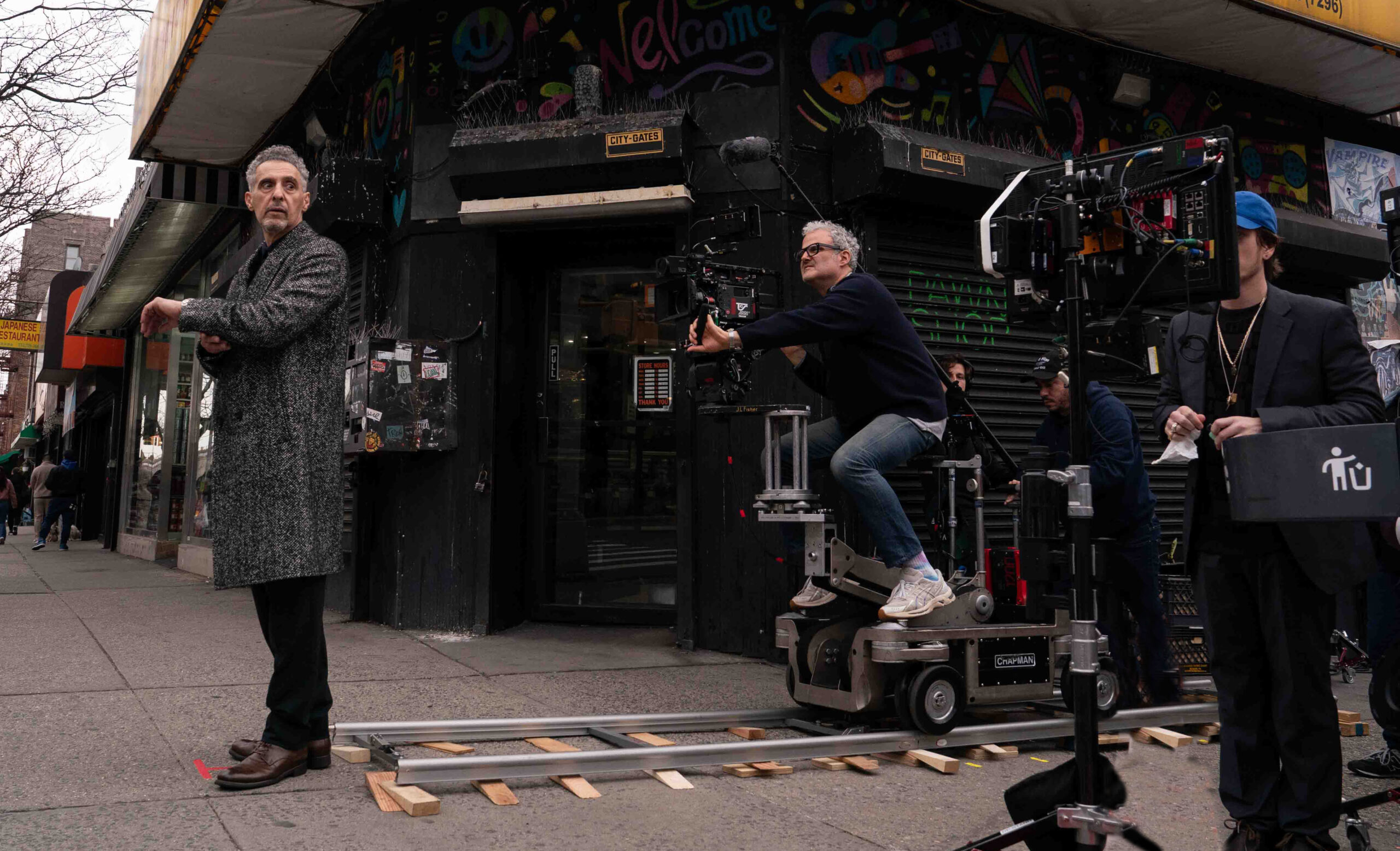
There’s something refreshingly old-fashioned about The Only Living Pickpocket in New York. Starring John Turturro as Harry Lehman, a man whose skills are fading in a digital world, the film draws on classic New York crime dramas. For cinematographer Sam Levy, it was an opportunity to collaborate with first-time director Noah Segan and bring their shared love of classic cinema to the screen.
“The script was sent to me,” Levy says. But as a New Yorker, the movie immediately caught his attention, and Levy and Turturro shared a connection: the late, great cinematographer Harris Savides, for whom Levy had worked as a camera assistant. Savides had photographed the 1998 film Illuminata, one of Turturro’s forays into directing.
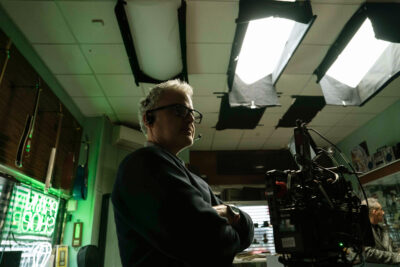
But it was Levy’s first meeting with Segan that really sold him on the project. They met at a coffee shop while Segan was in New York scouting locations, and the conversation quickly turned to The Friends of Eddie Coyle, the Peter Yates crime film starring Robert Mitchum. “It’s not a movie people often discuss,” Levy says, but Segan’s enthusiasm immediately told him they were operating from a similar cinematic vocabulary. More importantly, Levy quickly understood what Segan was trying to accomplish: a story about a man from another era, representing an aspect of society “that’s being swept away in our digital age and our internet age.” Although set in the present, the film would feel “of another time.” Levy left the meeting convinced he wanted to make it.
The spirit of collaboration and enthusiasm carried over into Levy’s work with Turturro, whose experience as an actor and filmmaker made him a valuable creative partner, and the two frequently worked out ideas together during rehearsals. While Segan and Turturro would rehearse a scene, Levy would observe, sometimes developing alternative approaches with Turturro and then bringing those ideas back to the director.
Perhaps even more so than The Friends of Eddie Coyle, Robert Bresson‘s L’Argent became a shared reference point. Levy and Segan frequently discussed Bresson’s distinctive close-ups of hands and money, and Levy began looking for opportunities to incorporate that approach into the film. Levy and Turturro developed a system for shooting these inserts, with Levy positioning the camera over Turturro’s shoulder and providing him with an off-camera monitor so he could see exactly what was in the frame, allowing an intense degree of precision to the hand movements.
The production shot on the ARRI Alexa 35, following Levy’s camera tests and conversations with Segan. Levy initially asked whether the director had any interest in shooting on film, but Segan quickly made it clear that he preferred the digital process. “Film is expensive, and it just wasn’t important to him,” Levy recalls. Rather than push for a format the director didn’t want, Levy moved on to testing several digital cameras. Already a fan of ARRI’s color science, having shot multiple projects on the Mini LF, Levy felt the Alexa 35 was the right choice.
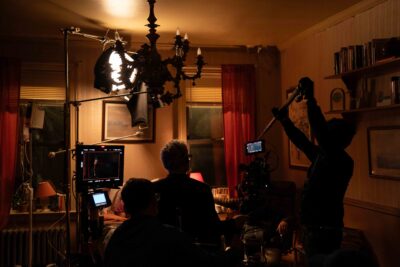
One of Levy’s favorite sequences comes during a visit to the pawn shop owned by Steve Buscemi‘s character. With the lights out, Harry walks around the entire store, eventually making his way to the back office where he finds his friend. The scene was initially planned as two or three separate setups, but Levy’s approach changed after watching Turturro walk through the space during rehearsal.
“Everything comes from blocking,” Levy says. “For me, a composition comes from blocking. Lighting comes from blocking. To me, it all emanates from the blocking of a scene.” It’s an approach he traces directly to his experience working with Savides, who taught him to resist framing up too early and instead take the time to simply observe what was happening. Watching Turturro move through the pawn shop, Levy realized they could accomplish the entire sequence in a single shot. The result takes advantage of the store’s windows, mirrors and shadows, creating a complicated composition that reveals the space while following the character through it.
But perhaps the shot that the film will be most remembered for is its final shot: as Harry’s story comes to an end, an extended camera move begins with the actor and gradually pans and zooms out toward the Manhattan skyline, eventually reaching 340mm. What sounds relatively straightforward on paper turned into an elaborate technical undertaking. Shot from a rocky outcropping near the water, the production had to work on sticks rather than a dolly, with Levy operating the camera and focus puller Christopher Eng managing the increasingly long focal length. The move required an approximately 290-degree pan, followed by a 10-to-15-minute hold as daylight disappeared and the city’s lights became increasingly prominent.
They rehearsed the move several times, knowing the timing of dusk was essential. Levy wanted to begin early enough to practice but also needed the final portion of the shot to land at precisely the right moment. On the final take, Turturro was understandably eager to get out of the freezing conditions, but Levy wasn’t quite ready to call it. “I was like, should we do another one?” he recalls. Turturro eventually agreed they had it, and Levy knew they weren’t going to improve upon what they’d just captured.
The months of preparation paid off, particularly when the sequence was paired with Cole Porter‘s “I Happen to Like New York,” performed by Bobby Short. Segan had selected the song early on, and Levy wasn’t sure whether the production would be able to secure the rights. Fortunately, it worked out. “That song makes me cry,” Levy says, describing it as an essential part of the moment. For Levy, it’s one of those rare filmmaking experiences when all the elements finally come together. “One of the thrills of filmmaking is meeting a big moment with preparation,” Levy says. “Sometimes, you just have to take the leap of faith and accept what comes.”
Read more film interviews:
Clair Popkin on Capturing the Human Story Behind Everest: The Other Side
MASBEDO and the Complex Nature of Arsa
Enjoy interviews with people behind the camera? Consider joining our community of donors!
