
Hashtag Film Is Not Dead
Art
“Hashtag film is not dead,” Josh Edgar says. We’re talking about the renewed interest in film photography, and he’s making himself laugh. “Hashtag 35 millimeter,” he says. We laugh harder. It’s a very Edgar way to talk about something he’s been doing since 2016: poke fun at the conversation around it, then get into what actually matters. Film is having a moment, but Edgar isn’t particularly interested in making it mystical. He’s more interested in what you find when you use it as the instrument that it is.
I met Edgar in the summer of 2022, when he hired me at The Stockist while I was home from college. Since then, he opened his own shop, Acre, and has worked across styling, creative direction and photography for brands large and small. He’s now a co-owner and operations manager at Mother Cafe & Bar downtown. Edgar has a lot going on, and talking with him tends to be less of a straight line and more of a series of side quests. But that’s what happens when you interview your buddy. Eventually, though, we circle back to photography.
“I’m not, you know, really sentimental [about] film,” he says. “I don’t find the mystery of film endearing in any way.” He’s tried shooting digital, but no amount of editing gets the images where he wants them. “It just doesn’t look the way I want it to look,” he says. For Edgar, stripping away the romantic associations makes the medium easier to work with. Film is simply what he knows and likes. The images matter more than the mythology surrounding them.
“I’m really methodical with how I take photos now.”
His process has changed over time. “I’m really methodical with how I take photos now,” he says. A roll can take him two or three months to finish, and he’s become more project-oriented than interested in simply documenting everyday life. He looks for images that might fit into a larger body of work, but that doesn’t mean he’s out searching for a particular shot.
“I don’t want to say intentional,” he says. “It’s not intentional. It’s more thoughtful.” That distinction matters. Edgar isn’t necessarily looking for a photograph before he takes it. Something catches his attention, and he decides to take a picture. The meaning doesn’t have to come first.
His approach has also been shaped by stepping away from the pressure to constantly create for Instagram. “As soon as you start trying to pump out photos as much as possible, you’re just making shit photos,” he says. “You’re taking pictures of stuff that has no real meaning to you for the sake of taking photos.”
“I don’t want to be inspired by shit that I see when I scroll,” he furthers. Instead, Edgar seeks out photo books, smaller publishers and work he can hold and spend time with. He describes the internet as a kind of monoculture, where the same references circulate until they become familiar enough to pass for good taste. But making something recognizable as good isn’t necessarily the same as making something interesting.
“I would much rather do something interesting than good; even if it’s not good, I’d rather be interesting,” he says. That search for the unexpected also informs his work in branding and creative direction. When he builds a visual identity, Josh starts with a brand’s ethos and the feelings it wants to communicate. From there, he looks for references that express those feelings, often digging into independent magazines and zines rather than settling for the obvious. It exists on “the periphery,” he states. “I think that’s where a lot of coolness lives,” he adds.
“I would much rather do something interesting than good; even if it’s not good, I’d rather be interesting.”
Photography, though, is different from those more structured creative projects. Edgar doesn’t make images in his head and then go looking for them. He lets the frames come to him, guided by whatever happens to catch his eye. “Photography inherently is more personal because it’s how we view the world,” he says. “It is something that has caught your interest enough where you determine that it is really a photograph, and that in and of itself is a really personal matter.”
That perspective offers one way to understand film’s renewed popularity, too. Edgar sees a “justifiable nostalgia” for older forms of media in a world where nearly everything happens on a phone, even if he’s had to reckon with the ways personal nostalgia can keep you looking backward. “It’s a camera, it’s a phone, it’s a messaging tool… a social media tool, your fucking movie screen! It’s everything,” he says. “And I think to be able to break something down to one particular element is really compelling for some people.”
He also mentions how this isn’t really new — that film has never really been “dead.” Salt Lake has had a film community for years, with places like Acme, Essential and Pictureline making the medium accessible long before its latest wave of popularity. But whether someone is picking up a film camera for the first time or has been shooting for years, the appeal doesn’t have to be complicated. Sometimes, you just see something you want to photograph. But that doesn’t mean you don’t think about the history of what you’re shooting first. It’s a balance between feeling and knowing.
And when I ask Edgar what being cool in this era actually means, he pauses before landing somewhere simple: “It’s just a feeling.”
He continues, “You can’t try too hard to attain coolness because that is inherently uncool.” For Edgar, it comes down to being comfortable in your own skin rather than putting on a persona or following trends for the sake of it. “The whole idea of being cool is just… being a normal person, while having a taste.”
“I would rather put out a first draft of something than nothing at all.”
His advice to aspiring creatives follows the same logic. Taking a chance and opening Acre taught him that sometimes you have to start before you know exactly what you want something to be: “I would rather put out a first draft of something than nothing at all,” he says. “It’s easier to work and build off of the first draft than nothing.”
His final advice is simple: “Develop an interesting perspective.” Film can be a medium for that perspective, but it doesn’t have to be a grand statement. Sometimes, it’s just about what you notice. It’s a tool in the tool belt.
So, “hashtag film is not dead,” Edgar says. Someone alert the algorithm, because my friend has a point. It’s been around a long time and probably isn’t going anywhere anytime soon.
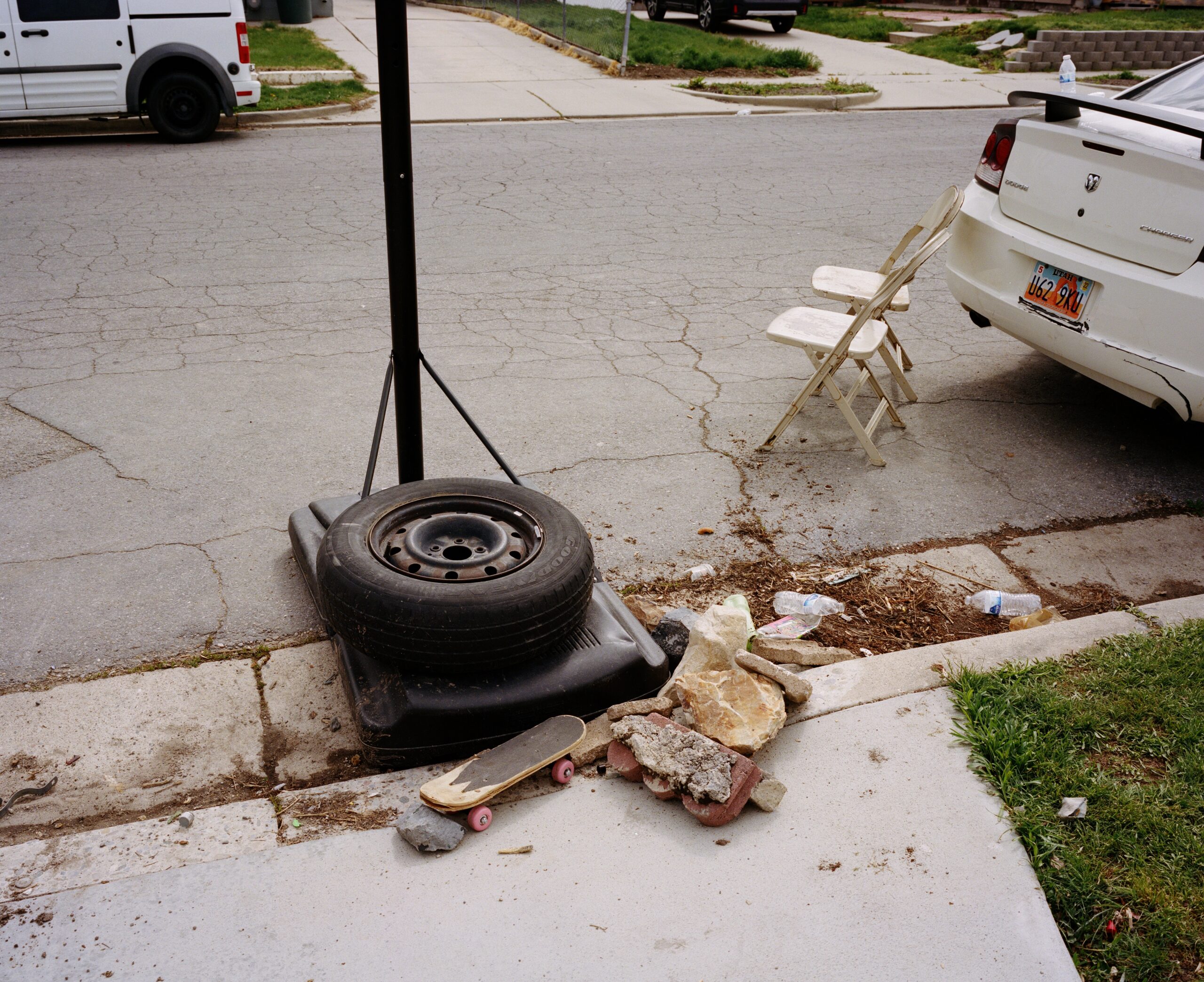
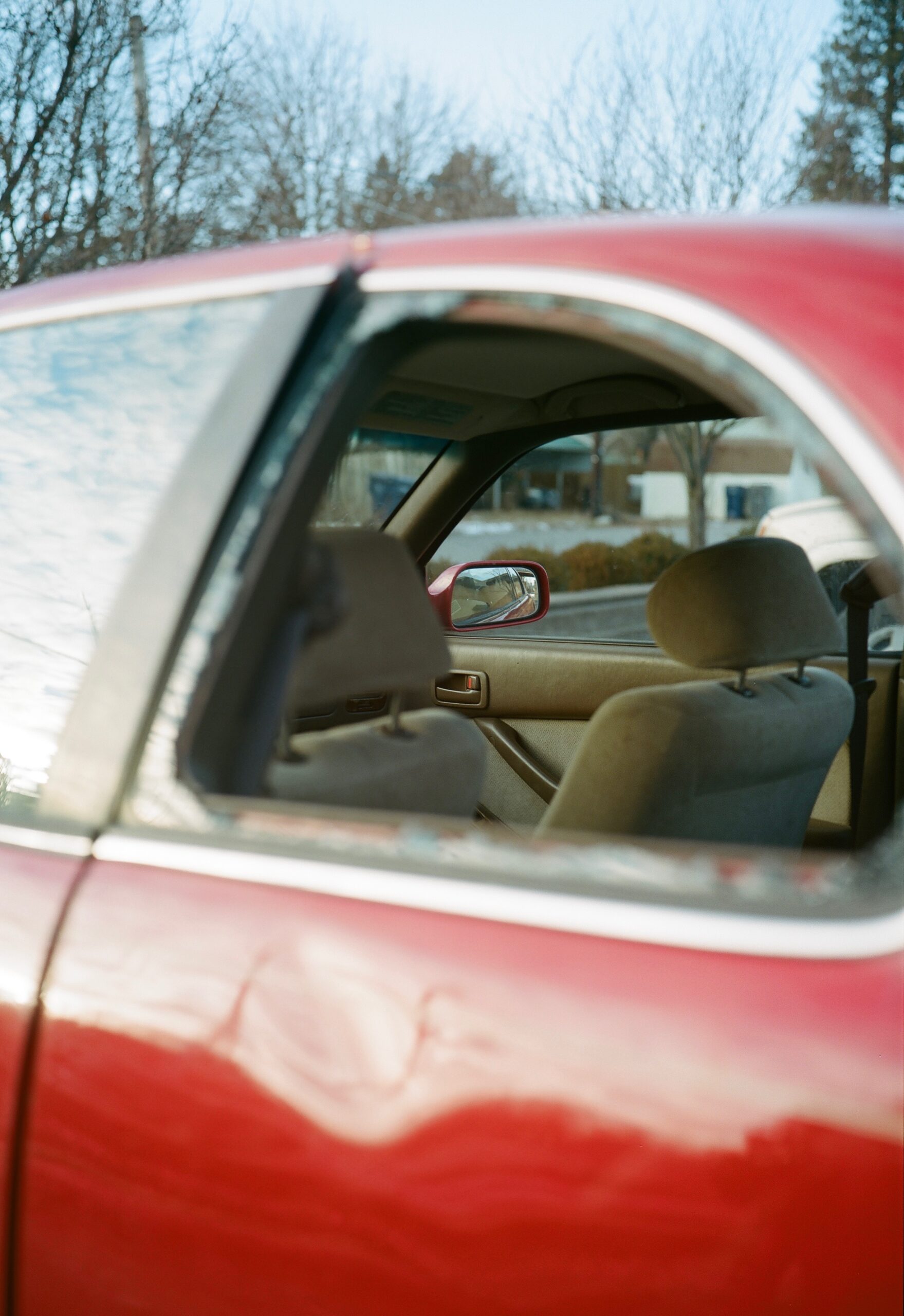
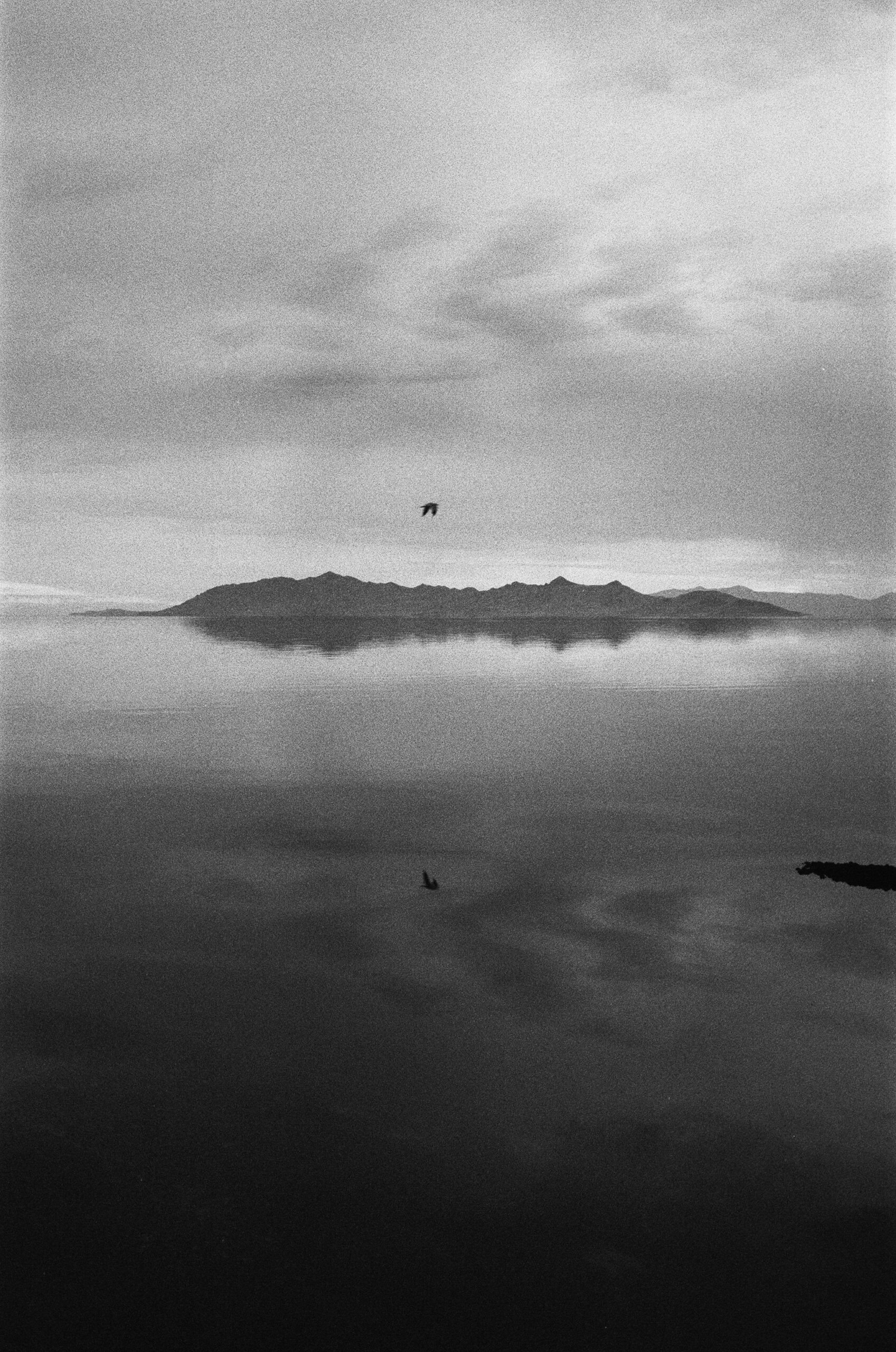
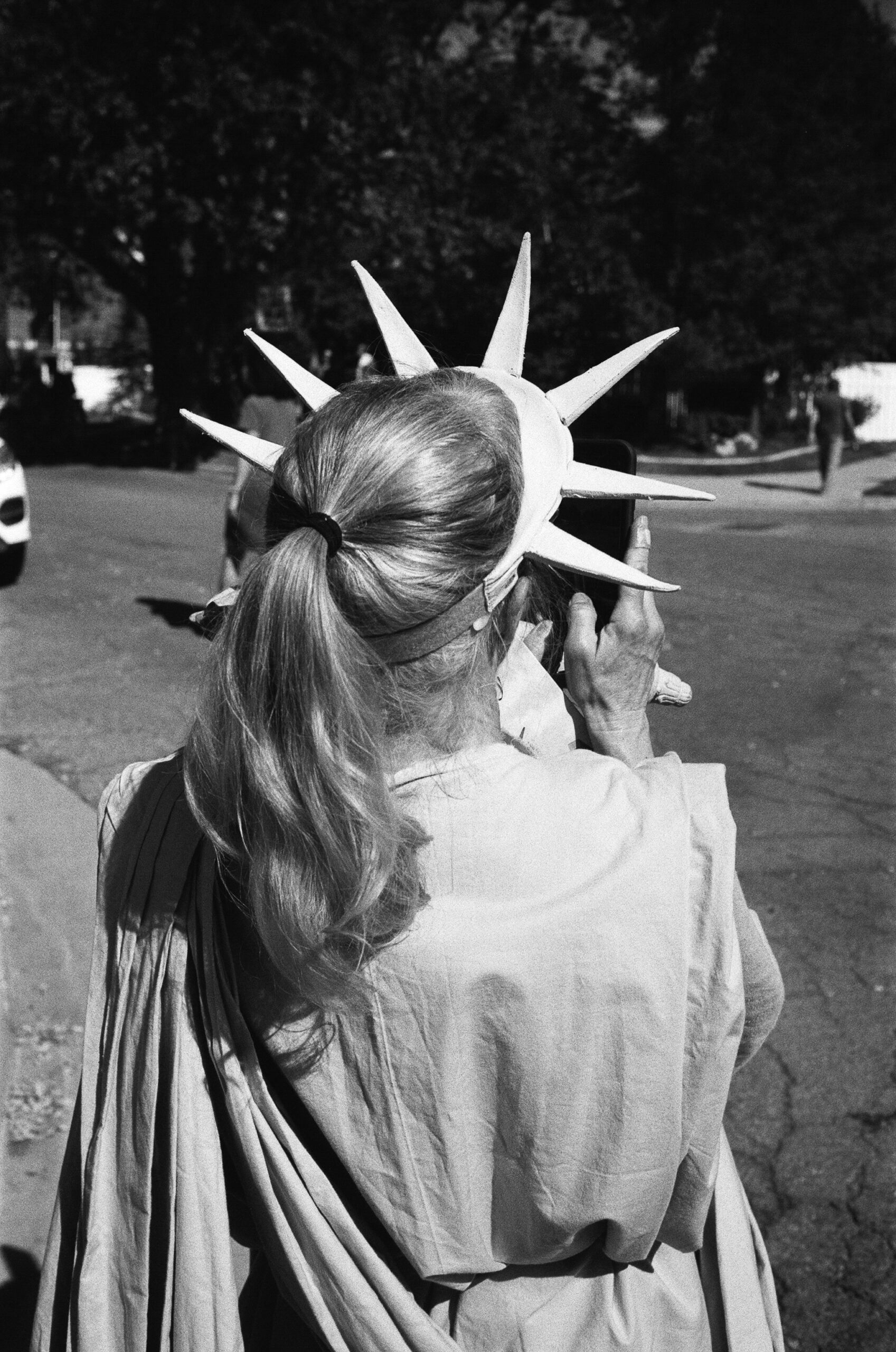
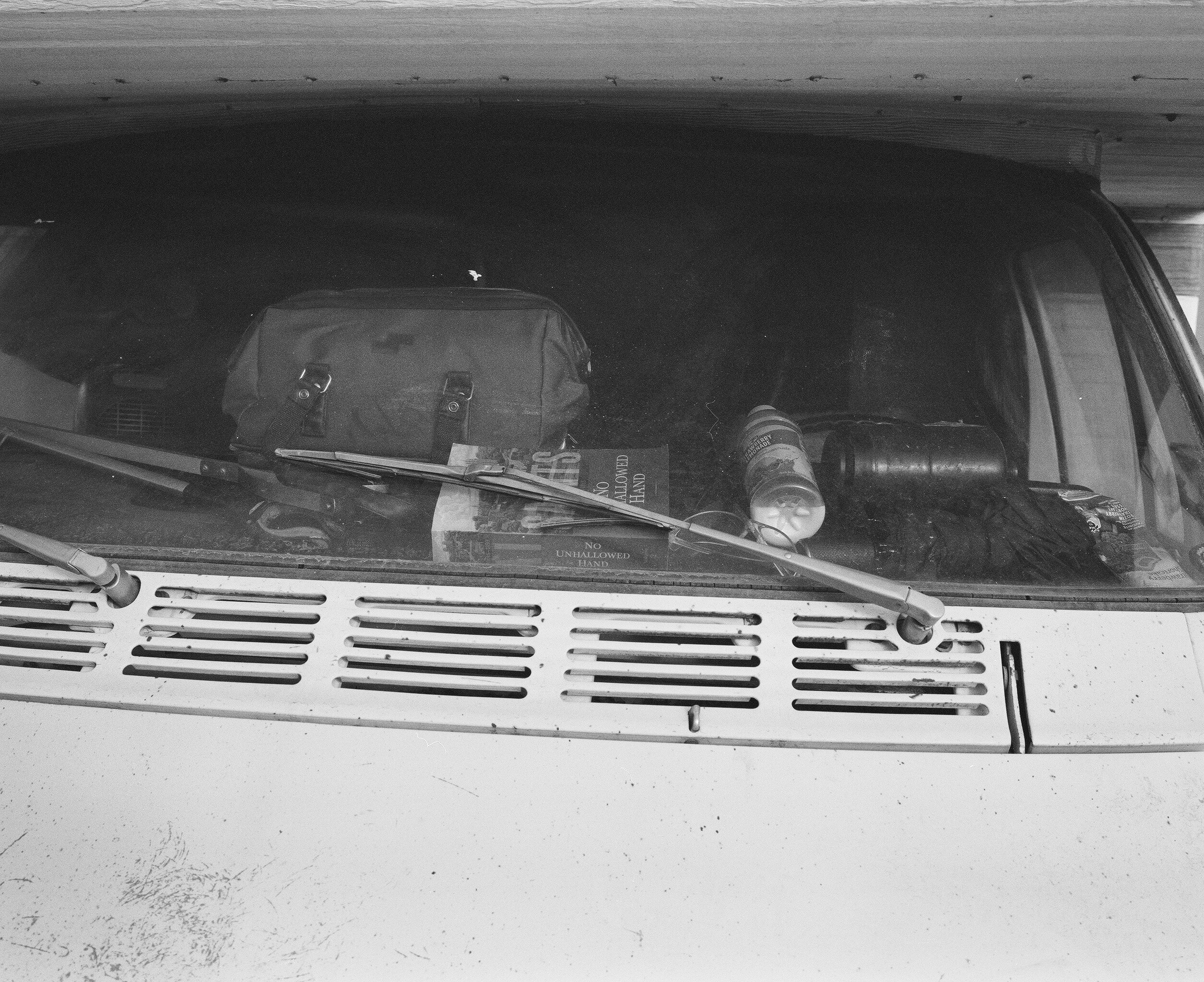
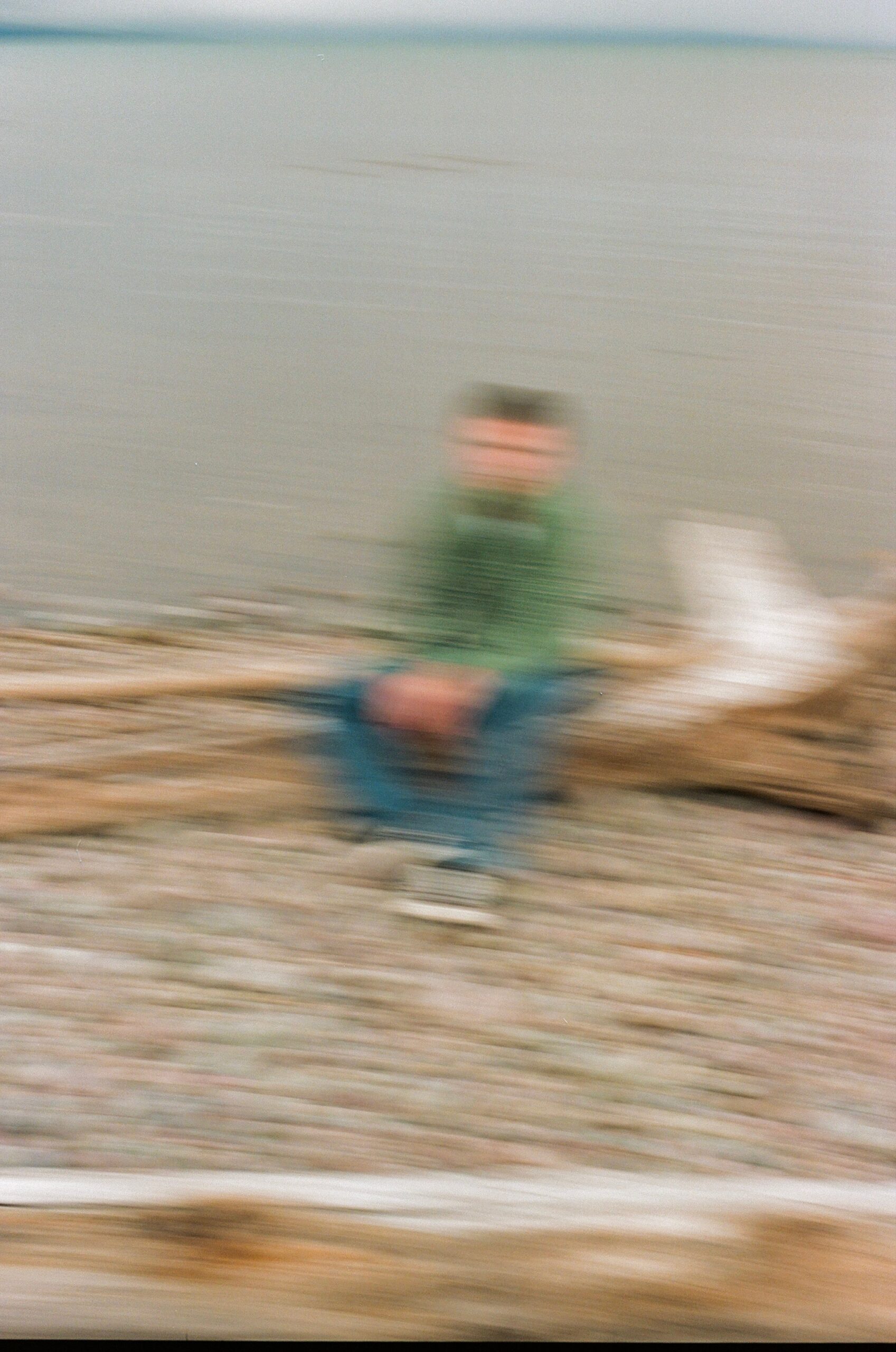
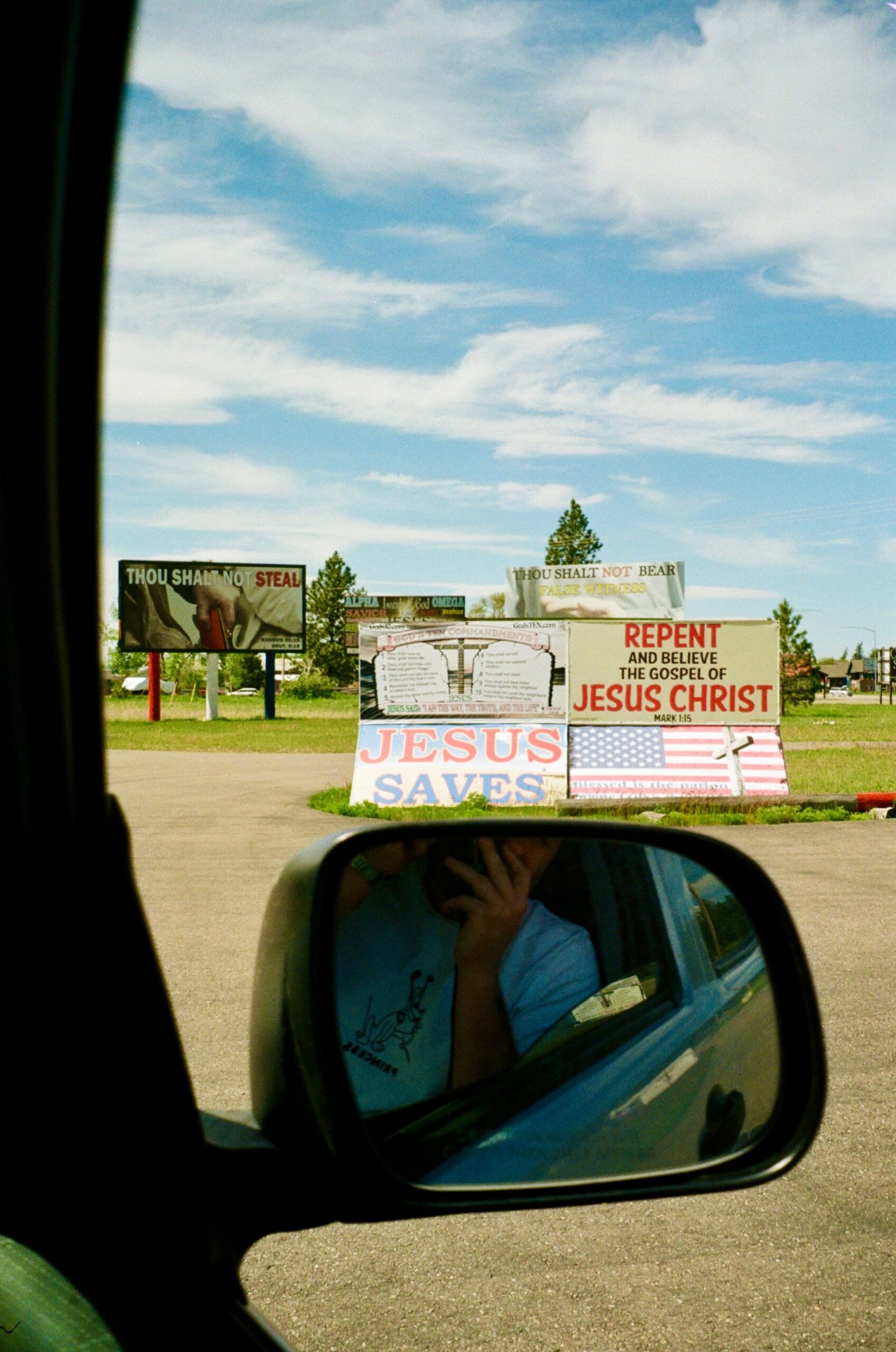
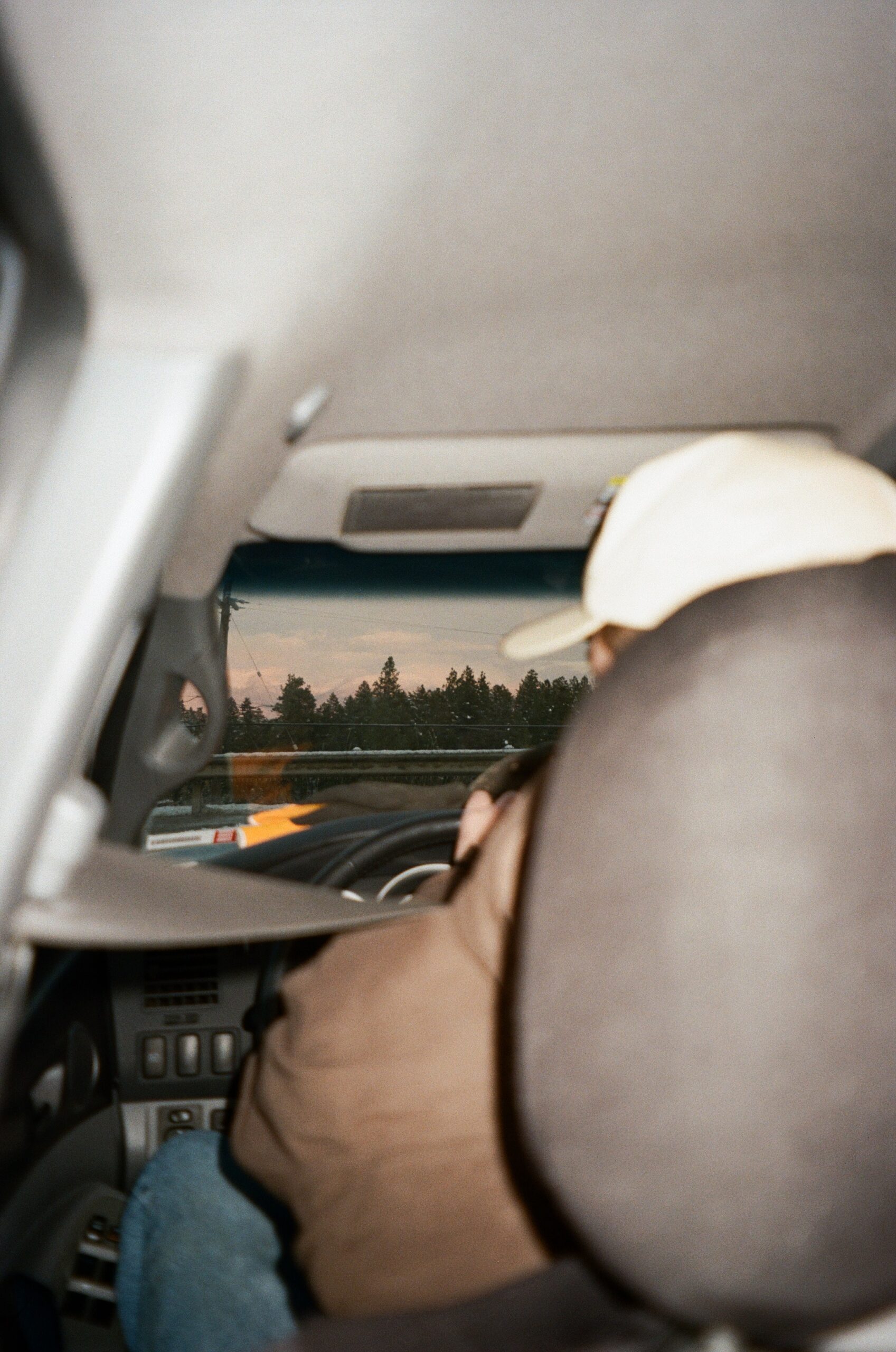
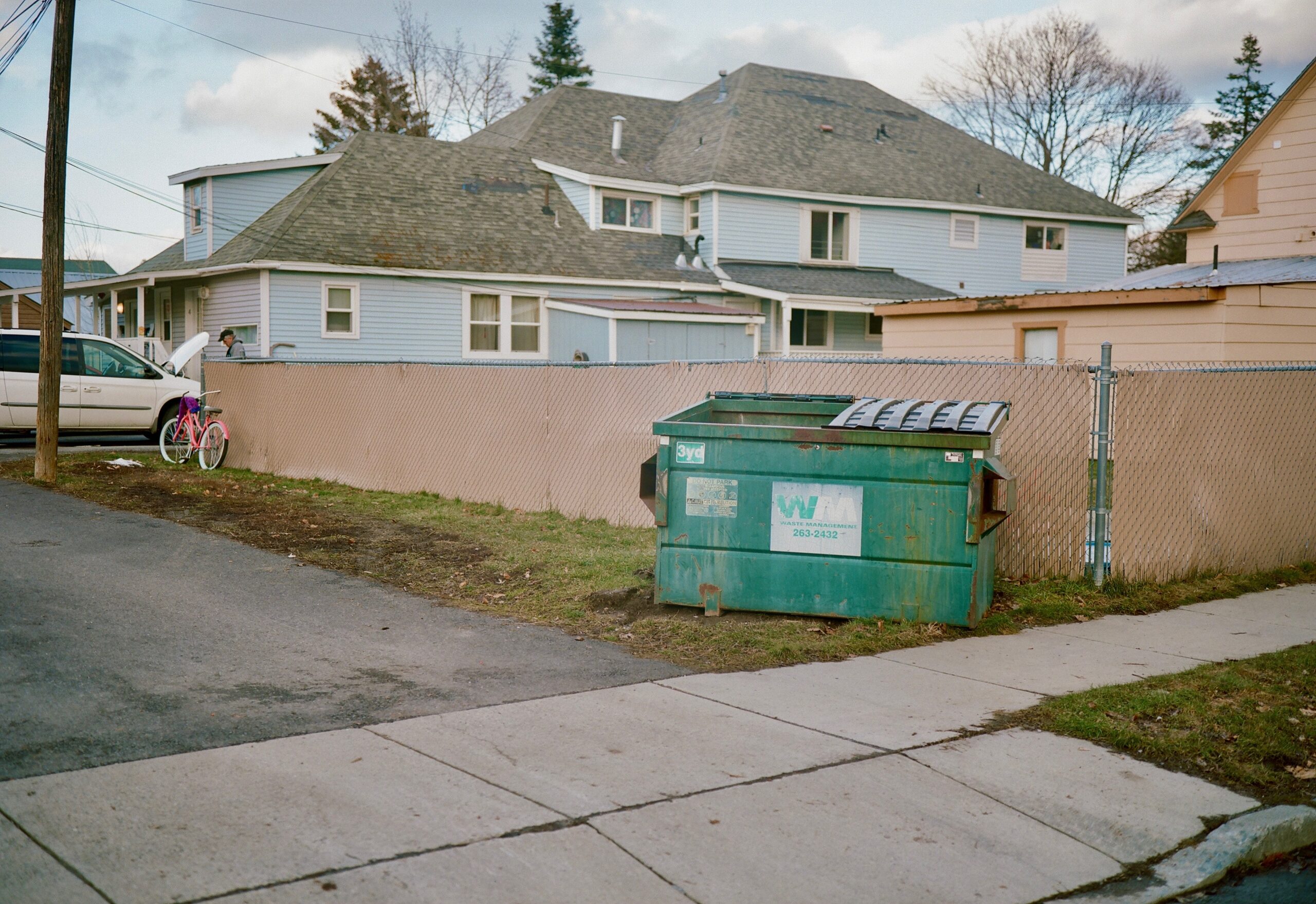
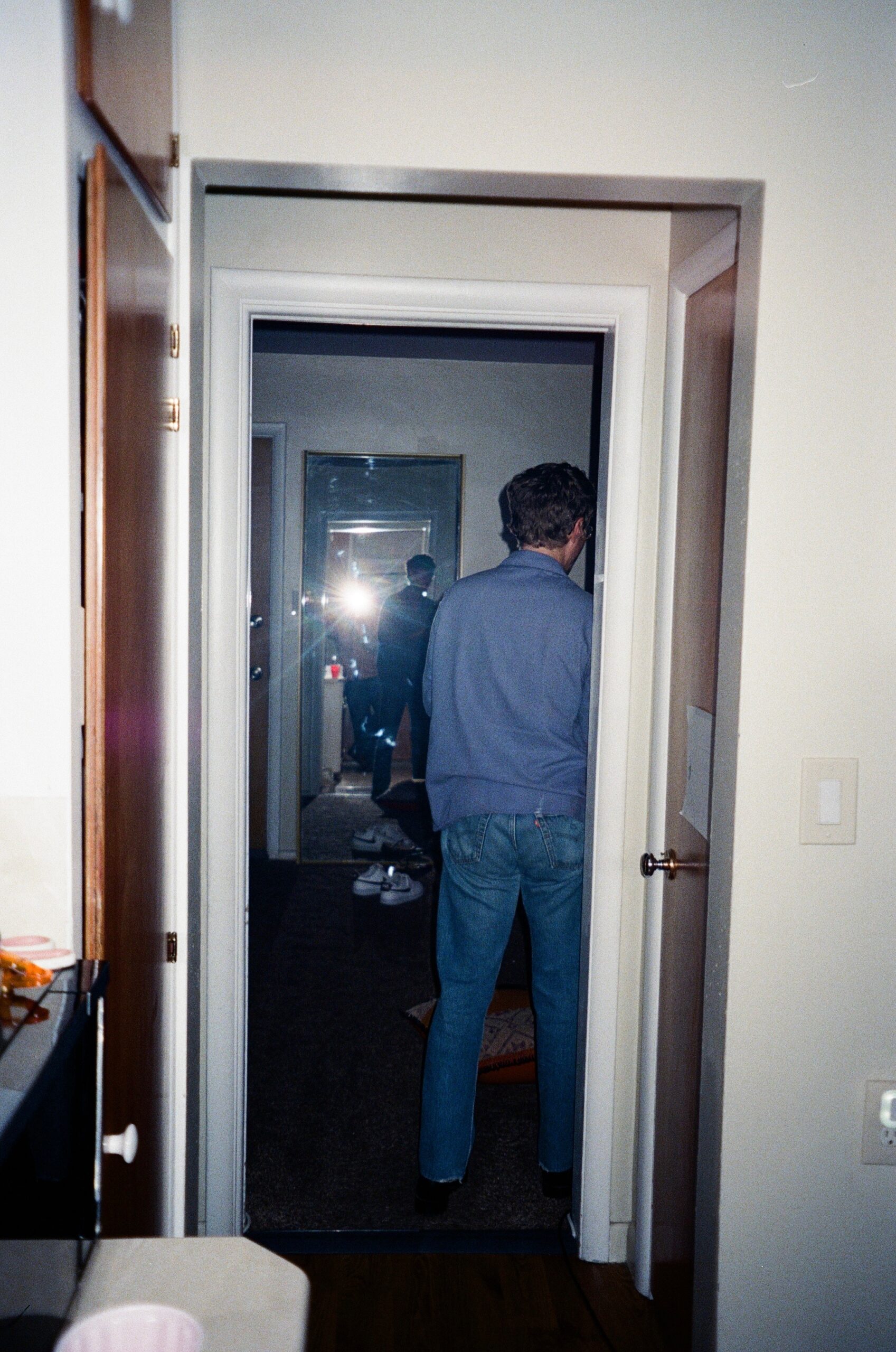
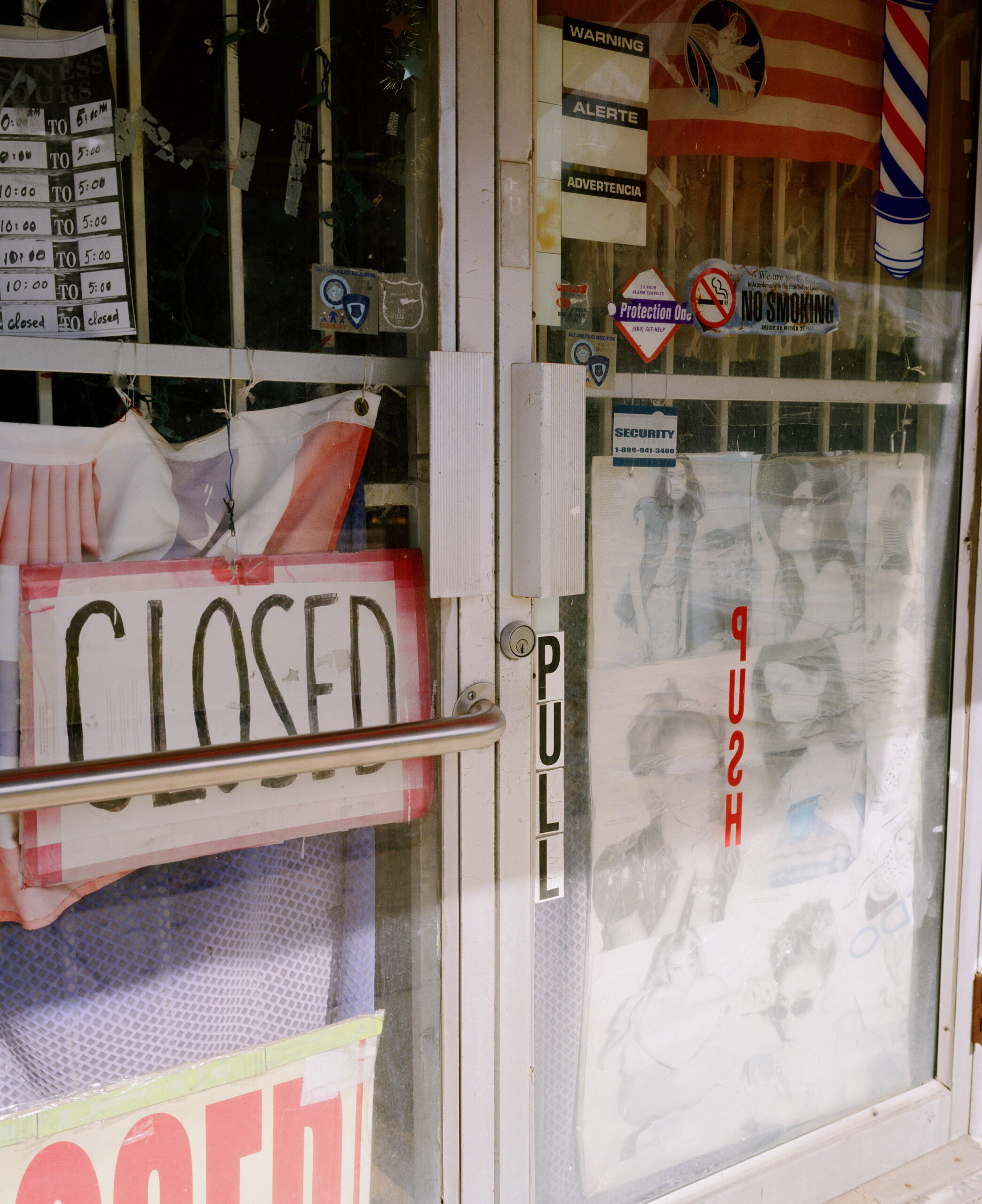
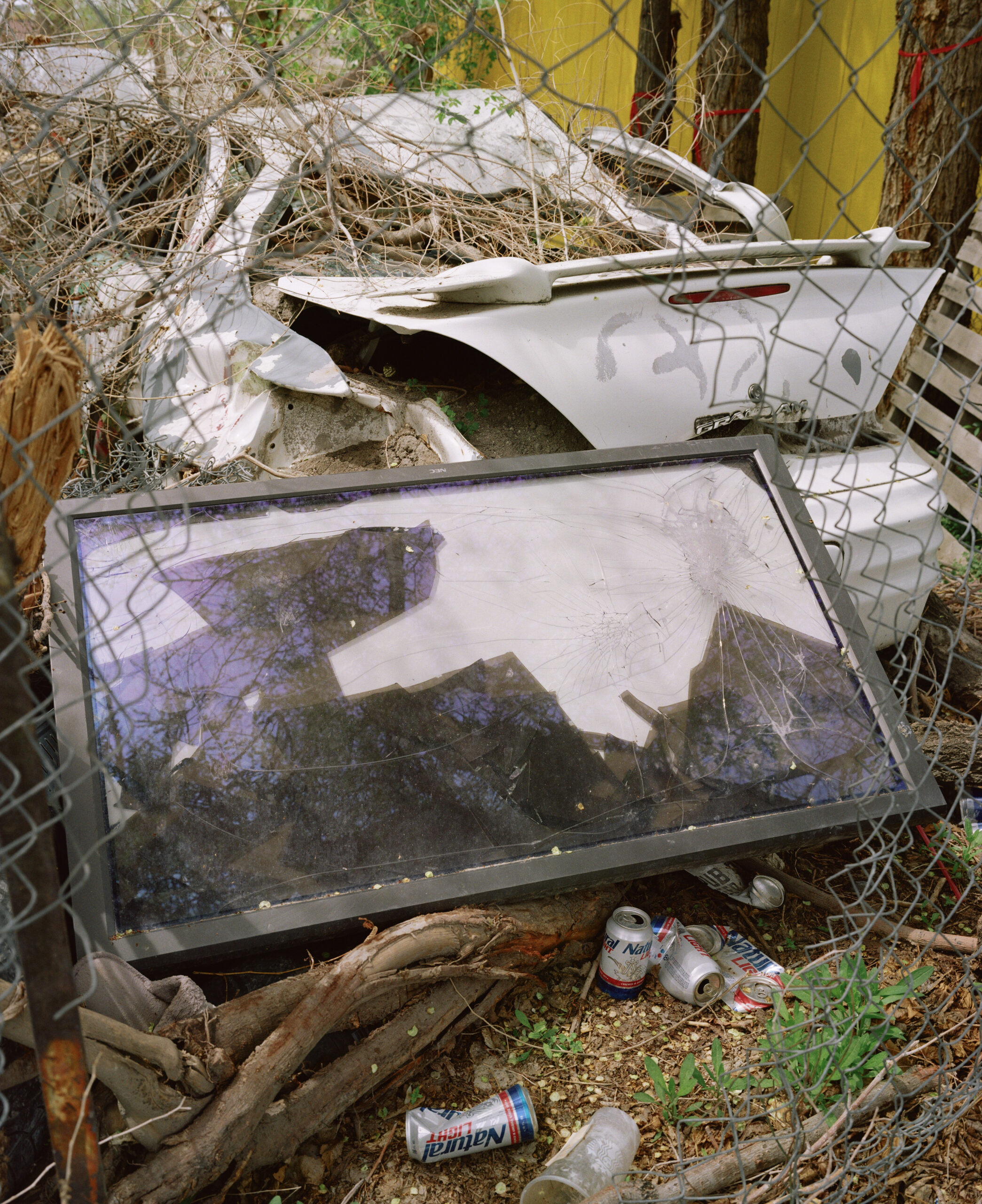
Click on each photo to view the full image.
Photos by Josh Edgar
Read more about photography in Utah:
Cassilyn Anderson: From Fangirl to Concert Photographer
Flip Twogood: Discovering Landscapes on Film, One Roll at a Time
If you enjoy SLUG’s coverage of local photographers, consider joining our community of donors!
