The Lost and Found Utah Alphabet
Arts
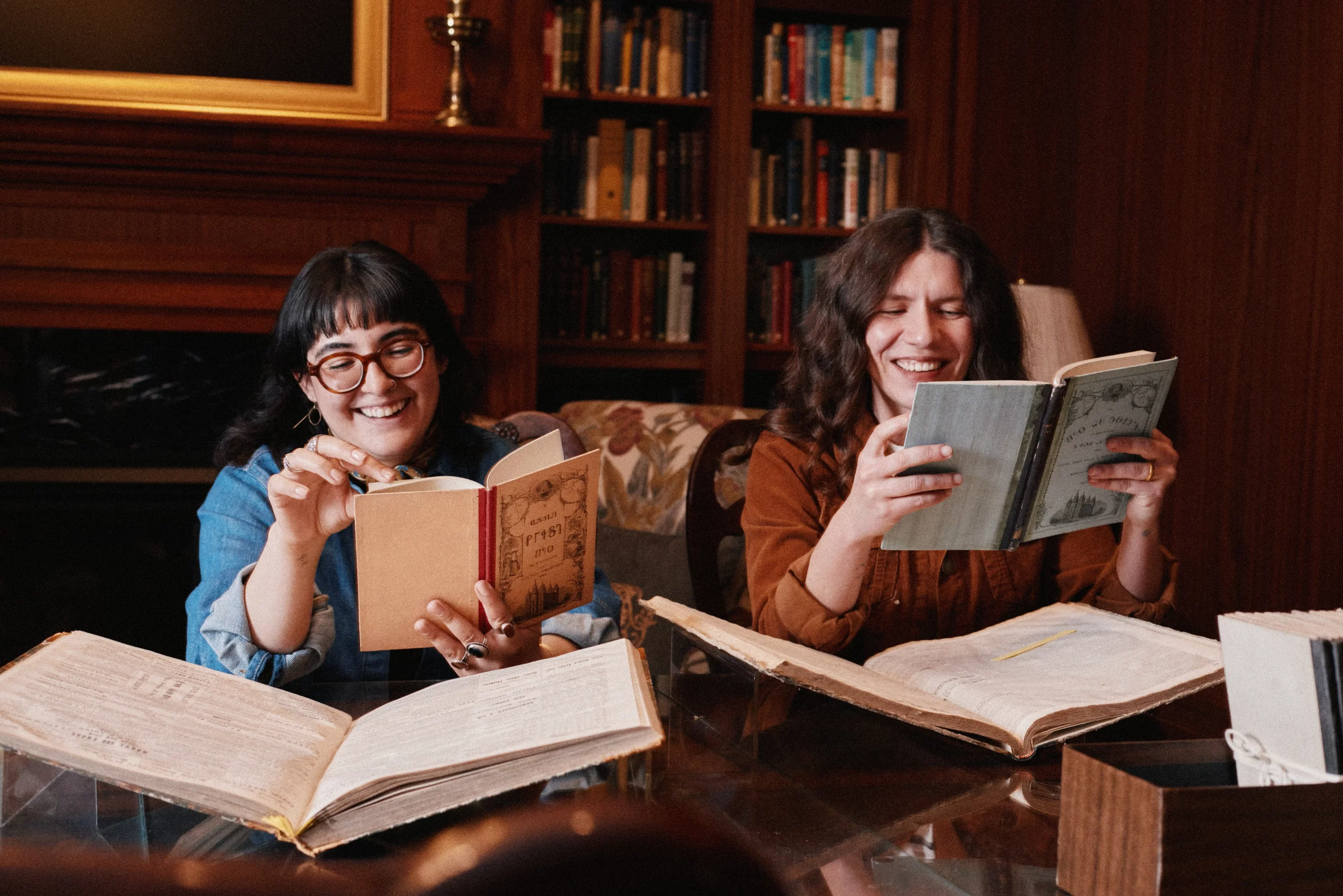
There is a piece of Utah history that was lost to the ages: an entire alphabet that the founders of our state attempted to implement in the late 1800s that exists today as a strange remnant of Utah’s past. The “Designing Deseret” exhibit delves into the roots of Utah’s attempt to transition to its own typography system based on phonetics in order to better educate the people on reading and writing. Located on the fourth floor of the University of Utah’s J. Willard Marriott Library, rare books librarian Lyuba Basin and rare books assistant curator Theadora Soter have put their efforts towards presenting and educating the masses on this elusive piece of our local heritage.
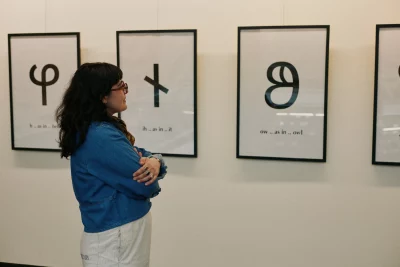
What was once a valiant effort to reform education through a budding religious colony became a secret to be discovered and rediscovered for nearly two centuries. The alphabet got started in 1853 as the brainchild of Brigham Young and the board of regents overseeing education in Utah. After a short 23-year run, the experiment was deemed a failure, and thousands of resources created to teach individuals this new alphabet were doomed to the void of obscurity. So why are we talking about it now?
Basin says, “Every 10-20 years, there’s a new revival; we’re right on time. The spirit of the alphabet says, ‘Mention me again!’” This alphabet started as an educational reform and changed into an artistic medium for creatives embracing this cultural piece of the Church and adopting it into the counterculture that coexists in Utah. “It’s become a cultural symbol for the people of Utah even if they don’t know what it is,” Soter says. “It was such a Mormon thing, and we as the collective Utah people have reclaimed it as this counterculture symbol.”
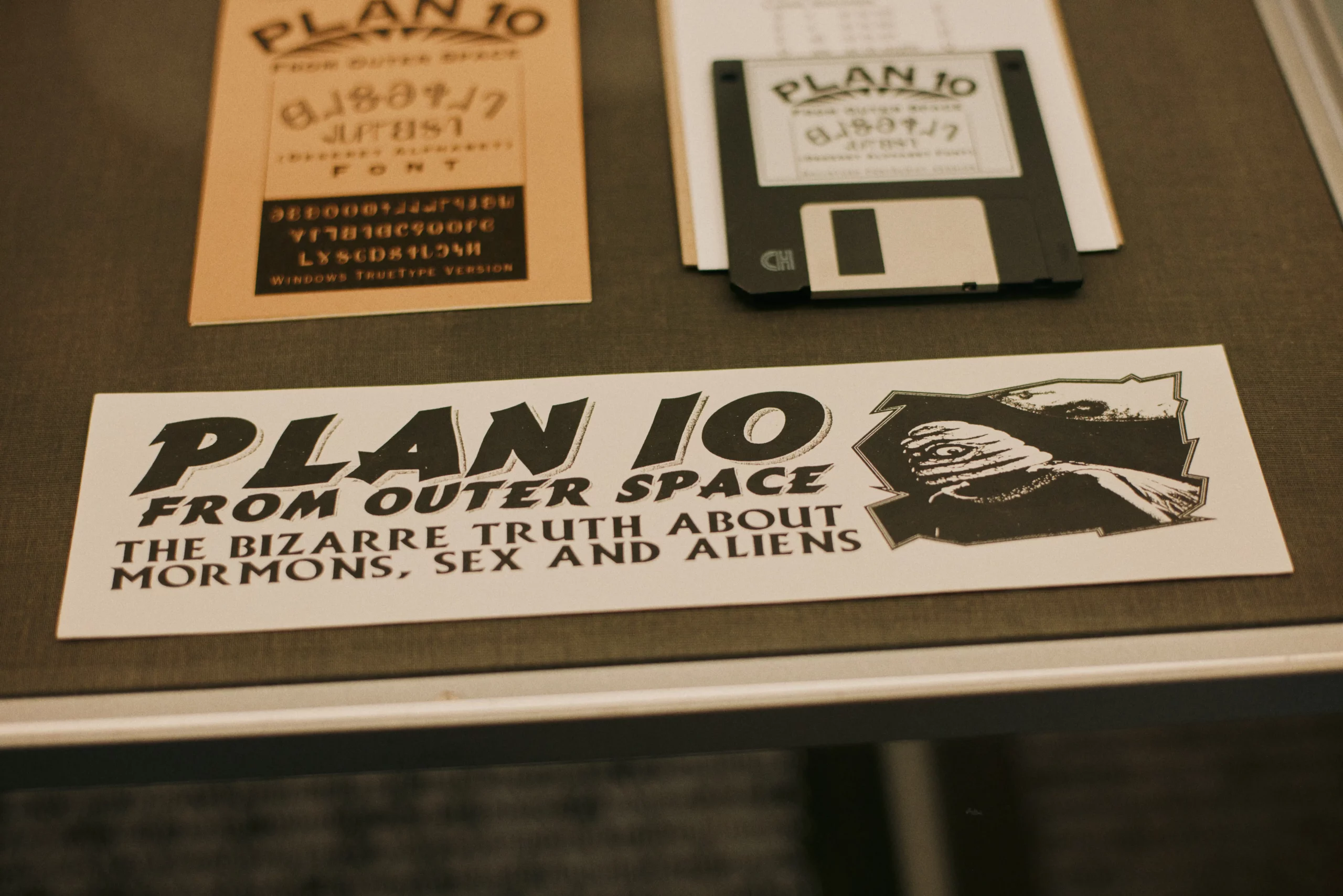
The last resurgence holds notable works from Trent Harris, Bob Moss and Ed Bateman incorporating the alphabet in their work, ranging from prints, photography and cult classic film Plan 10 from Outer Space (1995). Today, we’re seeing it incorporated in similar ways — the movie Heretic (2024) includes the Deseret Alphabet underneath its opening title card, and local bar White Horse is using it in its signage.
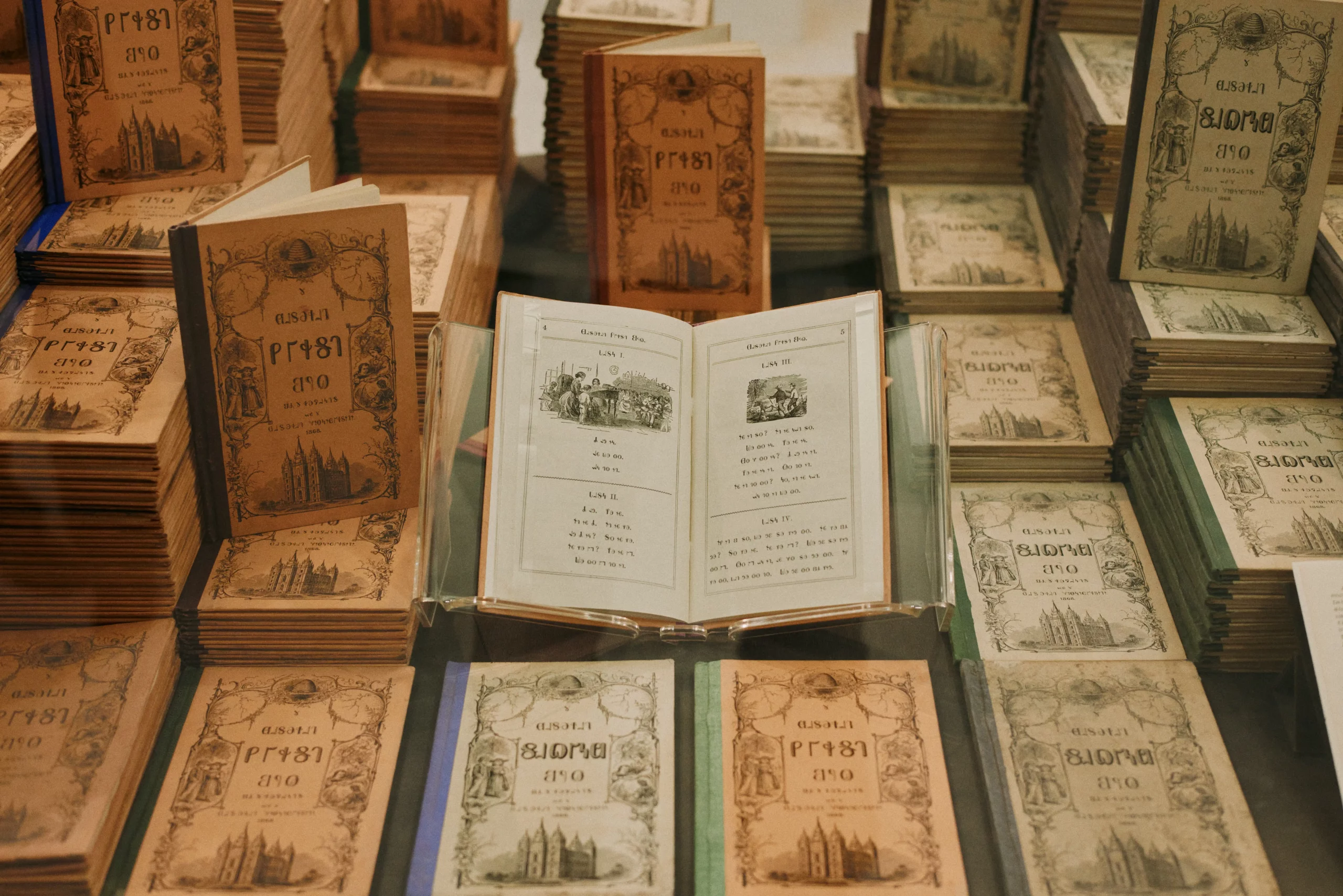
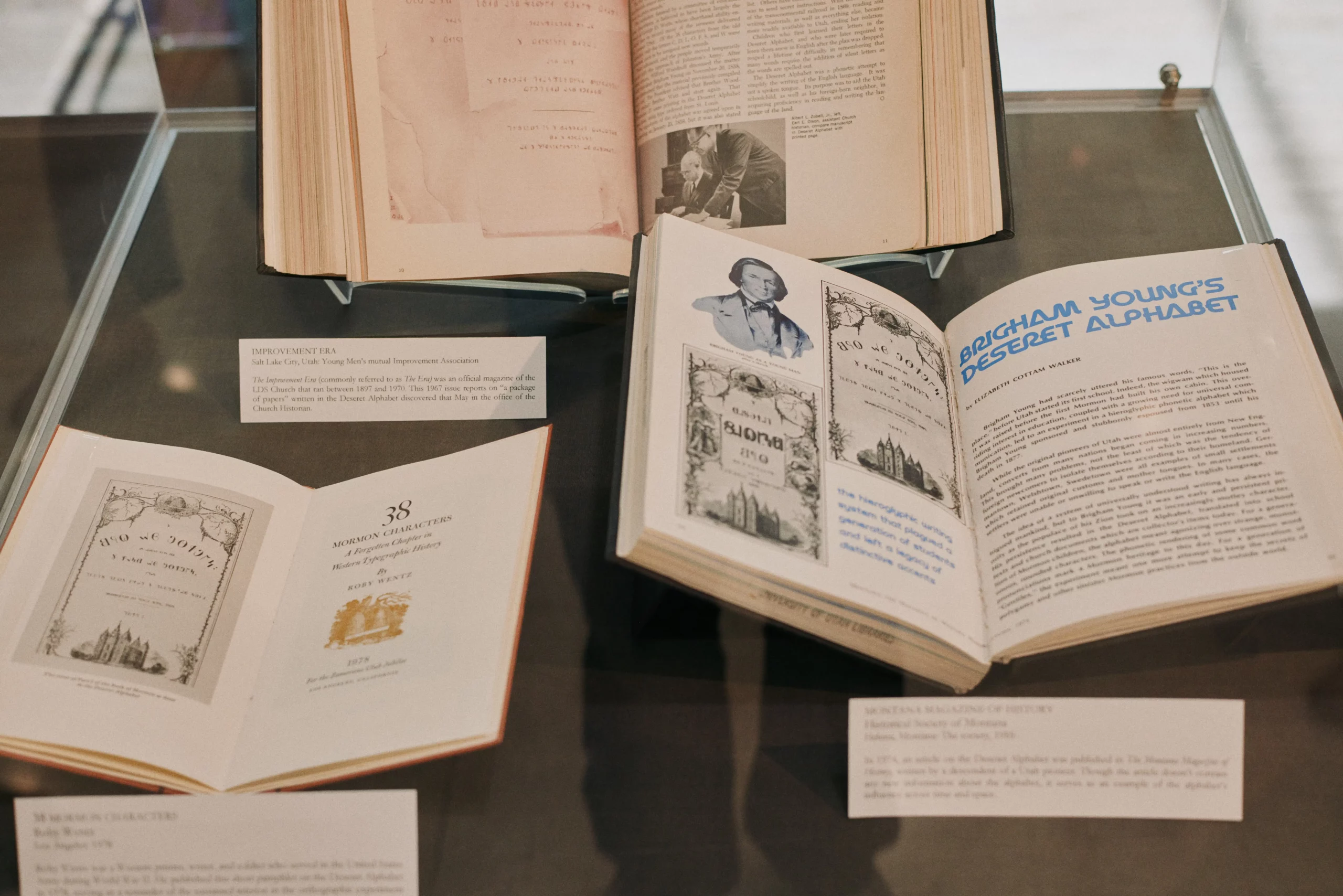
Basin and Soter aimed to come at this exhibit from a different perspective. “We want to share this collection with the public. We were both raised in Salt Lake, though our families have immigrant upbringings,” Soter says. Basin says, “That was what the alphabet was intended to do: allow immigrants from different parts of the world to learn how to read and write in English in a way that would be easier.” While the design of the alphabet didn’t lend itself to that outcome, both Basin and Soter saw merit in the attempt.
Looking through the online exhibit, you can learn about the alphabet in depth. Many of the pieces highlighted in the exhibit were found in the university’s archives and have likely been there since they were initially printed. “One of the things we wanted to focus on when curating the exhibit is its relationship to the University of Utah,” says Basin. Before it was the U of U, it was the University of Deseret, whose board of regents spearheaded the original project of the Deseret Alphabet.

To be honest, as amazing as the online exhibit is, it doesn’t hold a candle to the physical exhibit in the library on display now through June 1. If you’re looking to make a day out of exploring the exhibit and the Deseret Alphabet itself, there will be a symposium held on the final day with guest speakers, hands-on time with some of the materials and even some of the original educational primers to practice reading and writing in the alphabet. Space is limited to 75 guests, so make sure you get your tickets now!
Read about more local art exhibits:
Hear! Hear! Kimball Art Center’s (Re)sounding
Communal Grief and Joy in Trying Times: Molly Heller’s Story of Curation
To help SLUG continue to highlight local art exhibits, consider joining our community of donors!
