The Beast in Sean Callery
Film
Sometimes the most powerful film and television scores are the ones that sneak up on us, and Sean Callery has spent decades proving this point. From his Emmy-winning work on 24 and Jessica Jones to Homeland and Elementary, Callery has built a career on enhancing drama without overwhelming it. The Emmy-nominated music for Netflix’s psychological drama miniseries The Beast in Me, is the latest example of a master of suspense whose taste in film music has never lacked bite.
“Jaws was one of those movies-the execution of it, and the delivery system that the music deployed to enhance suspense and anxiety,” Callery says, recalling the experience of sitting in a darkened theater and becoming immersed in John Williams’ iconic score. ”It really represented to me, maybe the most perfectly spotted film in history and certainly one of the most effective musically.” A classically trained pianist who studied at the New England Conservatory, Callery says seeing Steven Spielberg‘s thriller showed how music could become an active storytelling force, convincing him that film music was where he belonged. After college, Callery performed at Walt Disney World’s EPCOT Center before a job with a digital audio company brought him to Los Angeles, where he met the late composer Mark Snow. The composer behind the themes to Hart to Hart and The X-Files became both mentor and friend for more than three decades, helping launch Callery’s scoring career.
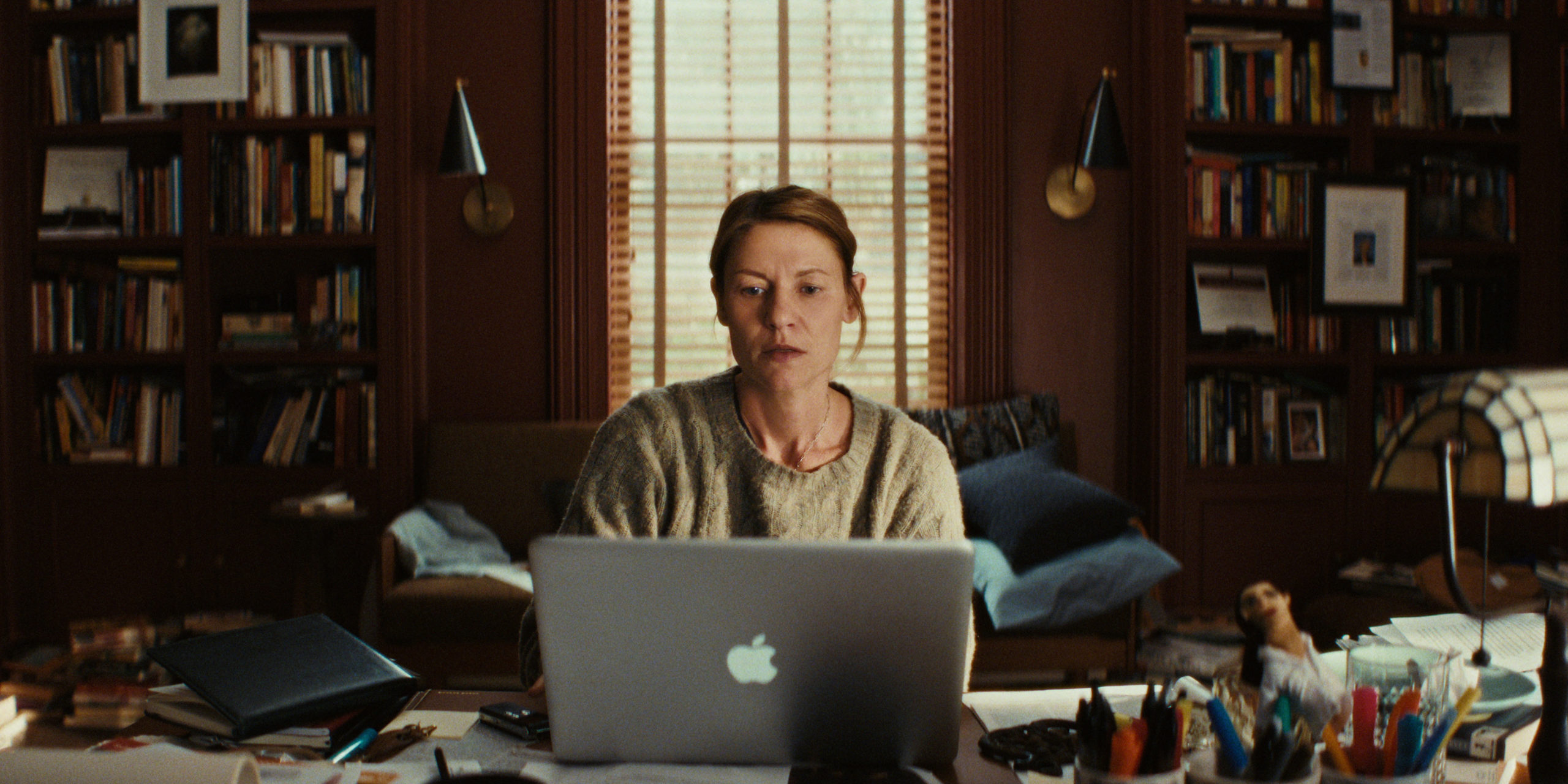
There’s no man-eating shark in The Beast in Me, but the suspense and danger are just as real. The story follows Aggie Wiggs (Claire Danes), an author who begins writing a book about her new next-door neighbor, Nile Jarvis (Matthew Rhys), a real estate executive who allegedly murdered his wife. While the Emmy-nominated title theme is all Callery, the score (which also received a nomination) was a collaborative effort between Callery and composers Sarah Barone and Tim Callobre. Rather than dividing the work, the trio built the show’s musical identity together, beginning with a deceptively simple exercise. “We wanted to think about: what is the sound of this world?” Callery says. “What is the sound of the lead character, Aggie? What is the sound of the Nile?” Instead of musical references, they started with words. The defining word for Aggie became “stuck.” The character is emotionally trapped by past trauma, creatively paralyzed by writer’s block and, in the series’ opening moments, literally dealing with an overflowing toilet. That single concept shaped the score’s tonal language.
“We began the idea of: what is the sonic idea of ‘stuck’?” Callery explains. The answer became brittle, dry pizzicato textures resembling dripping water or the relentless ticking of a clock. The effect is intentionally sparse, reflecting a score that Callery describes as “like etching” — just a handful of carefully placed musical lines rather than constant accompaniment. That restraint extends throughout the series. Instead of flooding scenes with suspense music, Callery believes tension is most effective when used sparingly. “If you’re constantly introduced to tension, tension, tension… the score has to work so hard to maintain the sense of tension,” Callery explains. “It has to be sculpted and carefully spotted.” Callery points to an early restaurant scene as an example. Rather than telegraphing danger, the score introduces only a subtle, turbulent low-frequency hum as Nile senses Aggie watching him. The cue lasts only moments before disappearing, quietly planting the first hints that something isn’t right without telling viewers exactly what to think. Finding Nile’s musical identity proved equally delicate. Before audiences fully meet Rhys’ character, they’re introduced through disruptions: flashing lights, barking dogs and awkward encounters. Instead of labeling him a villain, Callery focused on the uncertainty surrounding him. “The sentence for me was, ‘Who is this guy?'” Callery says. “You can’t betray that he’s an evil guy. He’s an annoyance and a nuisance.” That ambiguity became central to the score. Callery says Rhys’ unexpectedly off-kilter performance influenced the music, creating an unsettling atmosphere that leaves audiences questioning whether Nile is genuinely dangerous or simply misunderstood. The music avoids answering that question too soon.
The collaborative process with Barone and Callobre became another defining element of the project. The three composers traded ideas about textures, instrumentation, and character motifs, often developing concepts independently before blending them into a score that none of them would have created alone. “It was a new frontier for someone like myself,” Callery says. “We came up in a world where you were always working alone, but this really allowed us to create a score that was the result of the three hearts of us participating.
That spirit of collaboration, paired with Callery’s instinct for understatement, gives The Beast in Me its distinctive musical voice. Rather than commanding attention, the score quietly burrows under the audience’s skin, turning hesitation, uncertainty, and emotional paralysis into sound. — Patrick Gibbs
Read more film reviews by Patrick Gibbs:
Berner Makes A Big Splash in Independent Film
Confronting a Legacy in My Grandfather Charles Manson
To help SLUG continue to support the film industry, consider joining our community of donors!
