Murderbot Composer Amanda Jones is a Music Making Machine
Arts
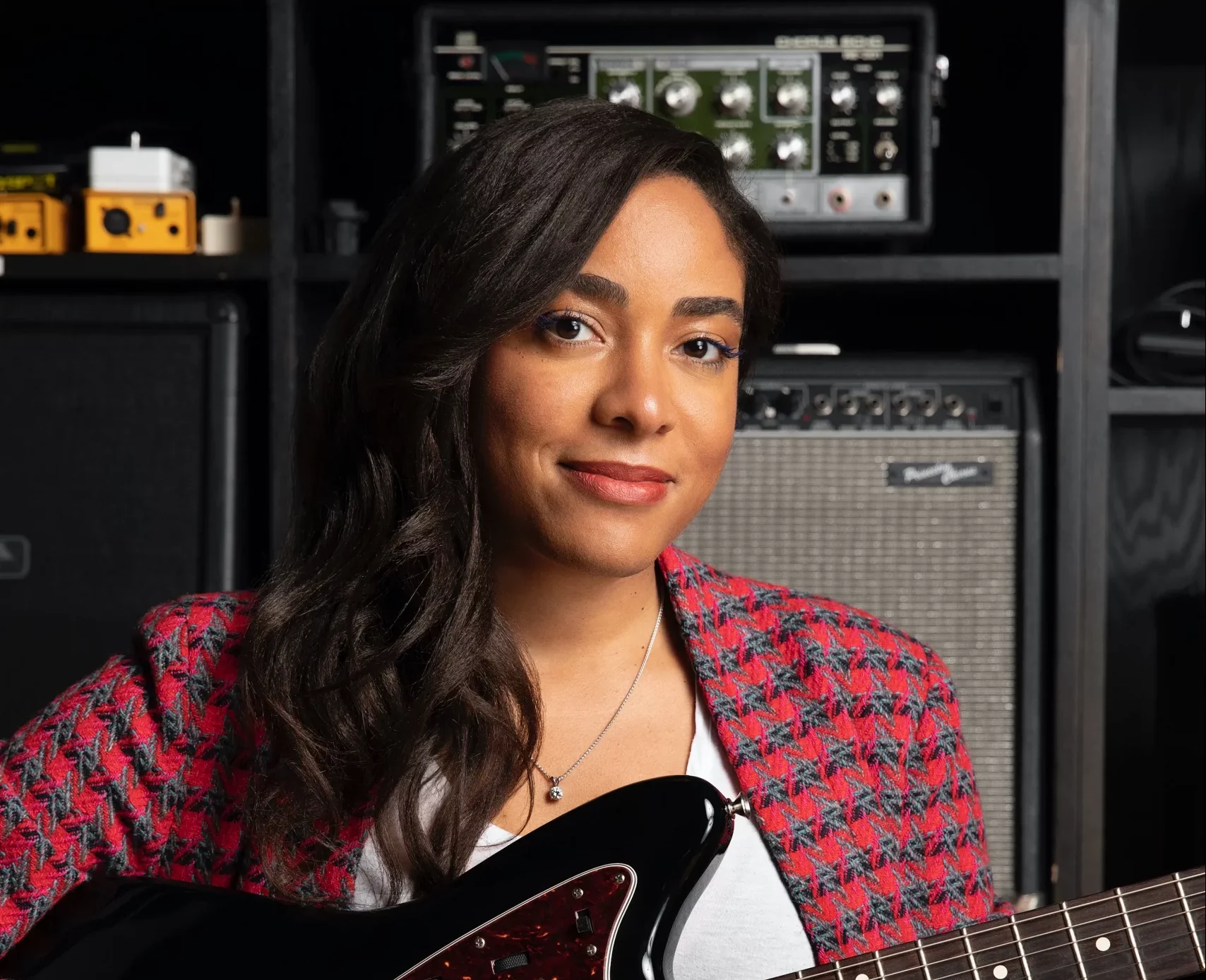
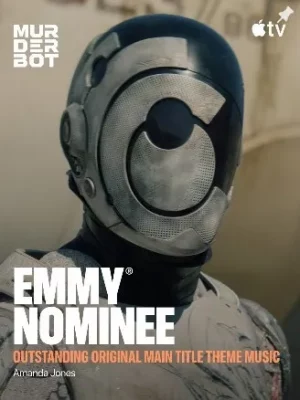
Music has always been a constant for Amanda Jones. She began playing piano at three years old, clarinet at 10 and guitar at 15, and has built a groundbreaking career in music that includes becoming the first to receive an Emmy nomination for original television score in 2020 for her work on the documentary series Home, which was followed by a win for Outstanding Music Direction and Composition for the same series in 2023. She’s now returning to the Emmys in September, this time for Murderbot, where she is nominated for Outstanding Original Main Title Theme Music.
“I read the book during COVID, and then I read the announcement that they were adapting it into a series,” Jones explains. Martha Wells’ The Murderbot Diaries caught Jones’ imagination, and she had a connection with series creators Chris and Paul Weitz, having previously worked with the latter on the film Moving On (2022). “I immediately just began to send ideas,” Jones says.
Jones’ musical path began in a very different direction. Coming from a family in STEM fields, she initially went to college intending to become a chemist. But after taking music classes, she fell in love with the program and switched from a minor to a major. “I have wholeheartedly immersed myself in the arts and music since then,” Jones says. After graduating in 2010 and moving to Los Angeles, Jones found herself surrounded by filmmakers and musicians working across everything from short films and podcasts to independent features. Although she continued performing live, film scoring gradually became the dominant part of her career.
For Murderbot, Jones wanted to create a musical identity that reflected the title character’s contradictory nature: a machine that is also intensely, awkwardly human. Her solution began with an instrument she already owned and loved — the Roland Juno-60 analog synthesizer.
“I was very much insistent on finding an instrument that represented Murderbot,” Jones says. The Juno-60 could provide the synthetic, robotic quality she wanted while also producing unpredictable sounds. “It’s a synth where you can create a sound that only exists once,” she explains, with quirky characteristics that can make the instrument seem to have “a mind of its own.”
That combination became central to the score. Jones paired the analog synthesizer with orchestra, creating something that could feel both intimate and enormous. “Murderbot’s a hero,” she says. “We’re in this crazy universe. We’re flying to different planets,” so the music needed the scale of science fiction while still establishing a distinctive sonic identity. The main title theme takes that philosophy even further. With no formal brief, Jones drew on her musical history, including composers such as Vivaldi and Tchaikovsky, while trying to capture the character’s many contradictions. The theme combines a rigid rhythmic pulse, chaotic electronic details and a soaring melody.
“I wanted to capture all those feelings,” Jones says. “A character that you adore and a character that’s chaotic and a character that’s memorable, catchy.” Jones wrote the theme before the title sequence was animated, allowing the visuals to be built around her composition. “It was pure artistic expression, which I really appreciate,” Jones says.
Jones also looked beyond conventional electronic instruments. One of the most unusual sounds in the score comes from the Korean sanghwang, a reed instrument capable of producing extremely high frequencies. Jones discovered that its unusual qualities could blur the boundary between acoustic and electronic sound. “I was always looking for real instruments that could maybe sound like a synth, but it sounds like a real instrument,” she says. The instrument became particularly useful during moments when Murderbot experiences anxiety, its breathy, imperfect tones suggesting both a synthetic signal and something unmistakably alive.
In addition to Murderbot, Jones’ recent work has included the acclaimed documentary Cookie Queens, which premiered at Sundance Film Festival 2026. A sweet coming-of-age story, Cookie Queens follows four Girl Scouts as they compete to become top cookie sellers, using the high-pressure cookie season to explore girlhood, ambition, competition and the tensions between community and capitalism. Jones worked to create unique themes for each of the four girls and to capture the spirit of their endeavors. “It was very much, like, capturing the innocence,” Jones says. “The crafty quality of their cookie booths, but also, there’s a punk rock quality to them because they’re willing to go door-to-door and just sell their butts off.” One of Jones’ favorite themes was a rock ‘n’ roll, surfing style theme that underscores the girls’ sales efforts. “It was just kind of like a rebellious, DIY sort of spirit,“ Jones explains.
Whether it’s made for malfunctioning robots or enterprising little girls, Jones’ work brings warmth, emotion and a beating heart to memorable characters and stories. And with more exciting projects on the horizon, the story of Amanda Jones is just beginning.
Read more interviews conducted by Patrick Gibbs:
Emmy Nominee Tal Anderson Talks Authenticity and Representation
Kylr Coffman Had The Time of His Life in Nimrods
To help SLUG continue to support the film industry, consider joining our community of donors!
